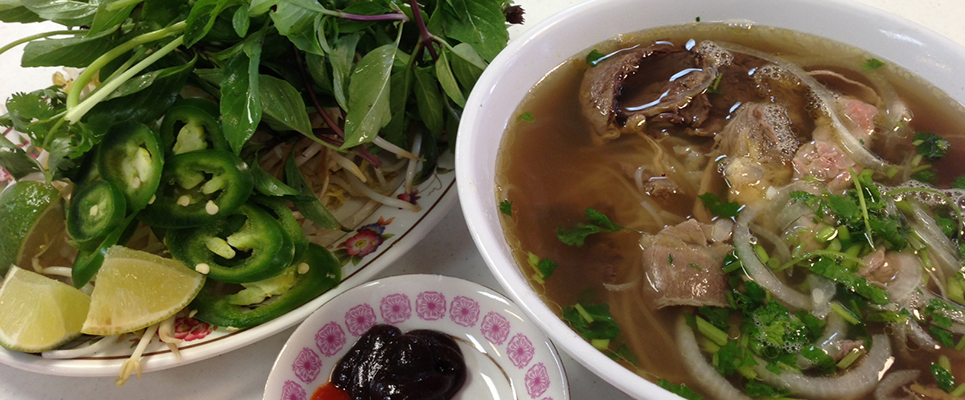
A guide to the different types of shrimp our kitchen uses
At Pho Hong in Austin, Texas, the variety of shrimp we work with shapes every dish, from the brightness of a stir-fried noodle bowl to the delicate sweetness in a vermicelli salad. Vietnamese cuisine relies on shrimp in many forms—whole, peeled, head-on, headless, dried, and fresh—so our kitchen keeps a rotating selection of species. From quick weeknight dinners to weekend pho garnishes, the right shrimp brings out layers of flavor a single variety cannot.
For readers following along from Sydney, Melbourne, or Brisbane, the principles of choosing quality shrimp translate easily across continents. Australia's Vietnamese-Australian community has built thriving food scenes in suburbs like Cabramatta, Footscray, and Sunnybank. The tropical waters off Cairns and the southern Spencer Gulf produce some of the cleanest, sweetest prawns in the world, and many home cooks already know how to coax out their natural sweetness.
Black tiger prawns
Black tiger prawns, known for their distinctive dark stripes and substantial size, are a workhorse in our kitchen. They are meaty, hold their texture well under high heat, and absorb marinades quickly, making them ideal for stir-fried noodles and rice plates. We often leave the heads and shells on when tossing them with garlic and chilies, because the shells release a deep, briny sweetness.
In Australia, black tiger prawns are farmed in Queensland and sold in fish markets from Sydney Fish Market to Queen Victoria Market in Melbourne. Their size makes them a centrepiece of Christmas seafood platters in Brisbane backyards, where they are grilled on the barbie with lemon. Our chefs treat them with the same respect given to large Australian king prawns, splitting them down the back for even cooking.
White shrimp
White shrimp, also called vannamei, are the most widely available farmed shrimp in the world. Their flesh is mild, slightly sweet, and tender, making them a versatile choice across our menu. We use them for appetizers to lighter vermicelli bowls, where the clean flavor pairs with fresh herbs without competing.
These shrimp are popular in Australian Asian grocery stores, where they are sold both fresh and frozen. Consistent sizing helps our kitchen maintain quality control during busy lunch rushes, and the predictable yield makes portioning straightforward. When prepping cold salads, we often leave the tails on for visual appeal, a small touch our regulars expect.
Banana shrimp
Banana shrimp are smaller, with a soft, almost custard-like flesh and a noticeably sweet finish. They are common in southern Vietnamese cooking, especially in delicate soups and salads where larger shrimp would overwhelm the broth. We use them in lighter pho variations and as a summer garnish.
These prawns are caught in tropical waters across Southeast Asia, and similar small, sweet species are harvested along the northern coast of Australia near Cairns. Their size makes them perfect for quick sautés with fish sauce and Thai basil, finishing in just a few minutes. We pull them off the heat the moment they turn pink to preserve their natural sugars.
Spot prawns
Spot prawns bring a unique sweetness that is hard to match. Their shells carry a subtle iodine note, while the flesh stays firm and almost translucent when cooked just right. We use them in our seafood-forward stir-fries, where the natural sugars caramelize against hot woks without turning rubbery.
Similar minimalist approaches are taken at fine-dining venues such as premium Italian seafood establishments, where ingredient quality is allowed to speak for itself and the cooking is kept brief to preserve the natural character of the shellfish. While spot prawns are more associated with the Pacific Northwest, similar cold-water species appear in specialty seafood suppliers in Sydney and Perth during peak season. The Australian prawn season typically peaks in the warmer months, mirroring the late-summer harvests in our own supply chain.
Rock shrimp
Rock shrimp have a firm, almost lobster-like texture that stands up well to bold flavors. Their shells are harder than typical shrimp, which is why we often butterfly them before cooking, allowing heat to penetrate evenly. They shine in our spicy stir-fried noodle dishes, where they soak up chili, garlic, and lemongrass without losing their bite.
In Australia, rock shrimp are less common in everyday markets but show up in seasonal catches along the southern coast. The dense meat makes them excellent for skewers, a preparation we have been experimenting with for our appetizer menu. We recommend a sharp pair of kitchen shears for prepping them at home, a tip that has saved many a home cook in Melbourne's inner west.
Royal red shrimp
Royal red shrimp are a deep-water variety prized for their rich, almost buttery flesh. They are softer than most shrimp and cook in a flash, so we only flash-sear them in very hot pans to keep their luxurious texture intact. The flavor is closer to scallop than to typical shrimp, which makes them a special addition to our pricier seafood plates.
These shrimp are harder to source consistently, and when we do get them, we treat them with extra care during storage. Australian counterparts include deep-water bugs and certain Moreton Bay species, which carry a similar richness and are often celebrated in Brisbane restaurants. The trick is to keep them cold and cook them briefly, a lesson our chefs repeat every time a new batch arrives.
Comparing the shrimp varieties we use
Choosing the right shrimp often comes down to the dish and the desired balance of sweetness, texture, and visual presentation. Below is a quick reference our team uses when planning the menu or training new cooks. The flavour profile column reflects how each variety behaves in a wok, while the kitchen use column lists the best preparations.
| Shrimp type | Flavor profile | Best uses in our kitchen |
|---|---|---|
| Black tiger prawn | Meaty, briny, robust | Stir-fries, rice plates |
| White shrimp | Mild, sweet, tender | Vermicelli bowls, salads |
| Banana shrimp | Soft, sweet, delicate | Light pho, garnishes |
| Spot prawn | Sweet, iodine-tinged | Quick sears, premium dishes |
| Rock shrimp | Firm, lobster-like | Spicy noodles, skewers |
| Royal red shrimp | Rich, buttery, scallop-like | Flash-seared seafood plates |
For customers enjoying our food at home, we recommend pairing shrimp dishes with a cool drink to balance the heat. Our berry açaí smoothie has become a popular counterpoint to spicy stir-fries, offering a refreshing finish that cleanses the palate. Australian readers hosting summer gatherings might take inspiration from classic prawn-and-passionfruit combinations found in Brisbane cafés, blending sweet and savoury in a single bite.