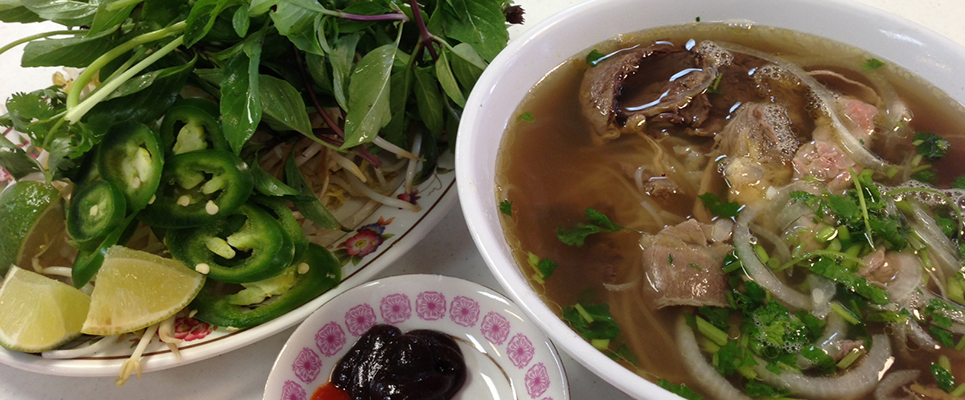
A guide to the different vermicelli noodles we use
Vermicelli noodles sit at the heart of countless Vietnamese bowls, and at Pho Hong we treat each variety with the same care we give our broths. The texture, the chew, the way a noodle carries a punchy nuoc cham or a drizzle of scallion oil shapes the entire eating experience. In this guide we walk through the strands we keep in our kitchen, the stories behind them, and how each one pairs with the dishes on our menu.
Rice has been cultivated in the Red River Delta for thousands of years, and the technique of pressing rice flour into thin threads travelled with each generation of cooks. Today, even diners who know Vietnamese food only from a quick lunch encounter recognise the pale, feathery mound that anchors a bún thịt nướng. The craft of noodle making has moved with the Vietnamese diaspora, and communities from Cabramatta to Footscray have helped Australians understand that not all vermicelli is the same.
Australia has embraced Vietnamese cuisine with particular enthusiasm. A typical Saturday in Marrickville or Richmond might mean a queue for bánh mì, while the air around lunchtime in Box Hill or Inala carries the unmistakable scent of grilled pork over rice noodles. The diversity of our customer base means we get questions daily about which noodle suits which dish, which inspired us to break things down properly here in writing.
At Pho Hong, we source our noodles from producers who understand traditional methods, and we keep several types on hand so our guests can find the exact bite they crave. Whether you are stopping by after a shift near the Domain or planning a quiet dinner close to the Capitol, knowing your noodles helps you order with confidence.
Thin rice vermicelli and its everyday role
Thin rice vermicelli, known in Vietnam as bún tươi, is the workhorse of our kitchen. These fine, white strands are made from rice flour and water, extruded through a sieve, and dried in the sun. When rehydrated, they feel light, springy, and slightly slippery, allowing the brighter flavours in a bowl to shine. Because they absorb dressings so well, they are the foundation of classic vermicelli bowls topped with grilled meats, pickled vegetables, and fresh herbs.
At our restaurant, bún tươi shows up beneath lemongrass pork, shaking beef, and crispy spring rolls. The cool noodles balance the caramelised edges of the protein, while the bed of lettuce and cucumber underneath keeps each bite refreshing. Diners who grew up in Sydney's inner west or who frequented Vietnamese stalls at a Melbourne market will recognise this preparation as the everyday standard.
It is also worth noting that thin rice vermicelli is naturally gluten free, which matters for guests who avoid wheat. The delicate rice flavour does not compete with strong marinades, which is why our chefs prefer it when a bowl's protein has been charred over open flame or marinated overnight.
Thick rice vermicelli for heartier bowls
When a dish needs more substance, we reach for a thicker rice noodle sometimes called bún bò or bún gạo. These strands are roughly double the diameter of standard vermicelli and hold their shape under heavier toppings. Their slightly chewy bite stands up to braised meats, rich broths poured tableside, and abundant herb salads.
In Vietnam this style of noodle is associated with the central and southern regions, where noodle soups tend to be bolder. We use the thicker variety for our stir-fried noodle plates and for a few of our signature vermicelli bowls that ask for a more substantial base. The difference is subtle until you take your first bite, and once you notice it, you start to appreciate why noodle choice matters.
Diners ordering lunch before heading out to Cottesloe Beach or after a long drive through the Adelaide Hills often tell us they prefer the thicker noodle for its staying power. It holds warmth longer and feels closer to a meal than a salad, even when dressed with the same nuoc cham.
Cellophane and sweet potato noodles
Beyond rice, our kitchen stocks two starch-based noodles that bring entirely different textures to the table. Cellophane noodles, known as miến or sometimes bean threads, are made from mung bean starch and turn translucent when cooked. They have a slippery, gelatinous mouthfeel and soak up broth like a sponge. Sweet potato starch noodles, called miến dong, are darker in colour, chewier, and slightly sweet.
These noodles rarely appear in our vermicelli bowls, but they matter when discussing the full noodle family at Pho Hong. They show up in stir-fried dishes, in certain rice plates, and as a gluten-free alternative in our appetiser platter. Knowing the difference helps when you order a stir-fried noodle dish and want to understand what you will be eating.
| Noodle type | Main ingredient | Texture | Best paired with |
|---|---|---|---|
| Thin rice vermicelli (bún tươi) | Rice flour | Light, springy, soft | Grilled meats, herbs, nuoc cham |
| Thick rice vermicelli (bún bò) | Rice flour | Chewy, substantial | Stir-fries, braised meats |
| Cellophane (miến) | Mung bean starch | Slippery, glassy | Stir-fried seafood, light broths |
| Sweet potato (miến dong) | Sweet potato starch | Chewy, springy | Stir-fries, hot pots |
This comparison is meant as a quick reference when you browse our menu. If a dish does not specify, our front-of-house team is happy to suggest a swap.
Pairing drinks with your bowl
A vermicelli bowl pairs beautifully with the right drink, and our drinks menu offers a thoughtful selection of Vietnamese coffee, jasmine tea, fresh coconut water, and seasonal smoothies. The cooling effect of a young coconut after a plate of grilled pork is hard to beat, especially on a warm Austin afternoon. Vietnamese iced coffee with condensed milk balances the herbal intensity of a vermicelli bowl, while a light fruit smoothie can cleanse the palate between bites.
When ordering for takeout during an Australian summer heatwave, we recommend a drink that arrives cold and stays cold through the trip home. Our team has tested insulated bags and travel times from the kitchen to apartments as far as twenty minutes away, so we know which drinks hold up best. The right beverage turns a good meal into a memorable one, and we encourage guests to treat drink selection as part of the experience rather than an afterthought.
For guests who prefer not to drink caffeine, our house jasmine tea is brewed fresh throughout the day. Served hot or iced, it complements the fresh herbs in every bowl without competing for attention.
Choosing the right noodle for you
If you are new to vermicelli bowls, we recommend starting with thin rice vermicelli and a classic grilled protein. It is the version most diners recognise, and it gives you a clear sense of how the components interact. Once you have a baseline, ask our team about trying a thicker noodle or a stir-fried version for contrast.
Guests with dietary considerations should know that all our rice vermicelli options are gluten free, while cellophane and sweet potato noodles offer variety for those avoiding both wheat and rice. Vegetarians will find that thin rice vermicelli carries vegetable toppings especially well, and our chefs can adjust dressings to suit.
Finally, do not hesitate to ask questions when you visit. We love talking about noodles, broths, and the small choices that shape each dish. The kitchen is happy to customise a bowl when ingredients allow, and our team will point you toward the option that best matches the meal you have in mind today.