Understanding The Heat In Pho Hong’s Five-Spice Chicken
Five-spice chicken can sound fiery because the name suggests a bold seasoning blend. In practice, Chinese five-spice is primarily aromatic rather than hot. It usually brings together notes such as star anise, cinnamon, cloves, fennel and Sichuan pepper, creating a warm, fragrant flavour with a gentle peppery edge.
The actual chilli level depends on the preparation and any chilli sauce served with the dish. A diner who enjoys mild curries may find the chicken comfortably seasoned, while someone sensitive to pepper may notice a lingering warmth. The best approach is to treat the dish as flavour-forward first, with heat that can be adjusted at the table.
For visitors from Australia, this makes the dish easier to place alongside familiar takeaway options. It is generally closer to a fragrant roast or stir-fry than to a very hot vindaloo. Understanding the difference between spice, peppery warmth and chilli burn helps you order with confidence at Pho Hong in Austin.
What Five-Spice Chicken Tastes Like
The first impression should be savoury and aromatic. Five-spice seasoning gives chicken a rounded fragrance, with sweet cinnamon-like tones, aniseed character and a slightly earthy finish. These flavours can seem intense without being harsh, especially when balanced with rice, fresh vegetables or noodles.
Sichuan pepper may add a light tingling sensation, which is different from the direct heat of fresh chilli. That sensation can briefly brighten the mouth and then fade. For a useful general spice reference, it helps to separate this kind of aromatic complexity from the straightforward burn associated with chilli-heavy sauces.
The dish may also taste warmer because it is served hot and freshly prepared. Temperature, garlic, pepper and toasted spices can all make a meal feel more powerful. That does not necessarily mean the chicken contains a large amount of chilli.
Where The Heat Comes From
Five-spice itself is not normally a hot chilli blend. Its warmth comes from aromatic spices, pepper and the way the seasoning is toasted or cooked into the chicken. If chilli is included, it may appear in the marinade, a cooking sauce or a condiment provided separately.
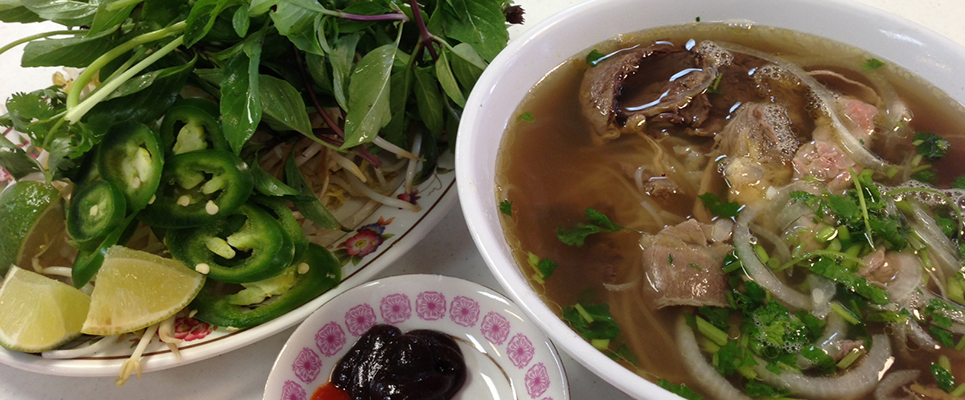
Fresh sliced chilli, chilli oil and house-made sauce can increase the heat quickly. A small amount may provide a clean lift, while a larger spoonful can dominate the other flavours. Diners who are unsure can begin with a taste of the chicken before mixing in any extra sauce.
Heat can also vary slightly between servings because sauces cling differently to each piece. A browned outer portion may taste more concentrated than a piece from the centre of the dish. Rice and noodles soften the sensation, while pickled or fresh vegetables can refresh the palate between bites.
Choosing A Comfortable Heat Level
If you prefer mild food, ask for the chicken without extra chilli and keep sauces on the side. This preserves the five-spice aroma while giving you control over the intensity. Steamed rice is an especially simple pairing because it absorbs sauce and reduces the concentration of pepper and chilli on each mouthful.
For moderate heat, use a small amount of chilli sauce with each bite rather than stirring the whole dish through at once. This creates variation and makes it easier to stop at a comfortable level. Fresh herbs, cucumber and other crisp sides can provide contrast without masking the chicken’s fragrance.
People who regularly eat hot food in Sydney, Melbourne or Brisbane may find the base seasoning quite approachable. Even so, Australian chilli tolerance varies widely, from diners who add fermented chilli to nearly everything to those who avoid heat altogether. Personal preference matters more than the dish’s name.
Australian Dining Context
Australian diners are accustomed to seeing heat described with practical terms such as mild, medium and hot, but these labels are not perfectly standard between restaurants. A “medium” level at an Asian takeaway in Melbourne may feel very different from a medium curry in Perth. Asking whether the heat comes from chilli or pepper gives more useful information.
Everyday habits also shape the experience. Many people in Australia order takeaway after work, share several dishes with friends or eat quickly during a lunch break. When sharing, serve the chicken with plain rice or another mild dish so diners can balance stronger mouthfuls. If travelling from Adelaide or the Gold Coast to Austin, remember that local recipes and condiment strengths may differ from familiar Australian versions.
Allergy and dietary concerns deserve separate attention from spice preference. Under Australia’s food standards system, allergen information is important for food businesses, while restaurant practices and local enforcement can vary. Tell staff about allergies clearly rather than relying on a heat description, and ask about ingredients in marinades, sauces and garnishes.
Pairing And Ordering Tips
Pho Hong is at 2521 Rutland Drive in Austin and serves dine-in meals, with delivery available during designated hours. The restaurant operates seven days a week, making the chicken suitable for a relaxed meal, a shared order or a convenient evening delivery. Confirm current service hours when planning around an Australian-style late lunch or dinner schedule, since Austin operating times may not match your usual routine.
A cooling drink can make aromatic heat easier to manage, especially when the meal includes chilli sauce. Browse the restaurant’s drink selections for options that suit your preferred balance. If you want a broader meal, the stir-fried noodles can provide a savoury accompaniment, although noodles may carry sauce and therefore taste warmer than plain rice.
- Choose no extra chilli when you want the five-spice aroma to lead.
- Request sauces on the side so every diner can adjust their portion.
- Pair stronger seasoning with steamed rice, fresh vegetables or a mild drink.
- Taste a small piece before adding chilli oil or sliced chilli.
- Explain allergies separately and ask about marinade and sauce ingredients.
- For delivery, check the designated delivery hours before placing the order.
| Preference | Expected experience | Best approach |
|---|---|---|
| Sensitive to heat | Aromatic chicken with minimal added chilli | Ask for no extra chilli and sauce on the side |
| Mild warmth | Fragrant seasoning with a gentle peppery finish | Pair with rice and add condiment gradually |
| Medium heat | Clear chilli presence alongside five-spice flavour | Use a small amount of sauce with each bite |
| Strong heat | Chilli becomes a prominent part of the meal | Add extra condiment carefully and order a cooling drink |