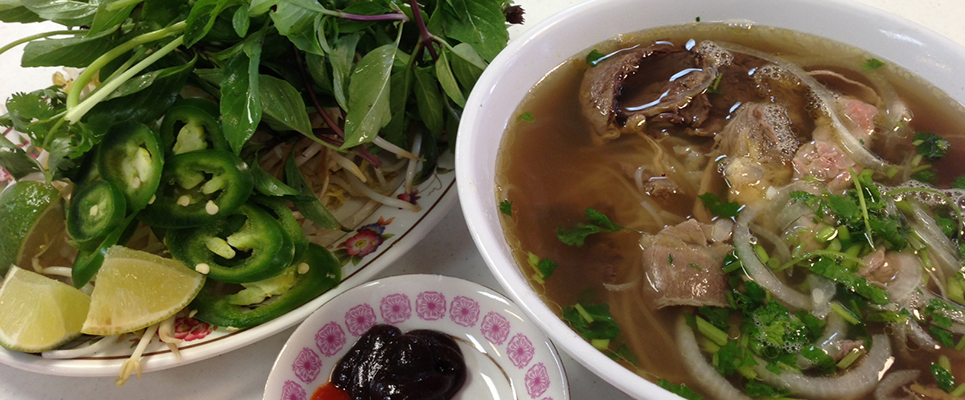
Herbs And Vegetables That Complete A Classic Pho Bowl
A steaming bowl of pho is built around a fragrant broth, tender noodles, and a choice of meat, yet the fresh garnishes give it much of its character. Herbs, sprouts, aromatics, and peppers create contrast against the savory stock, turning each bite into a balance of warmth, freshness, texture, and brightness.
At Pho Hong in Austin, Texas, diners can enjoy traditional Vietnamese comfort food at 2521 Rutland Drive. The menu includes beef pho, vermicelli bowls, rice plates, stir-fried noodles, appetizers, drinks, and smoothies, with dine-in service and delivery available during designated hours seven days a week. The Pho Hong menu offers a useful starting point for exploring the restaurant’s Vietnamese dishes.
Understanding each garnish makes it easier to customize a bowl. Some ingredients are meant to soften in the broth, while others should remain crisp and fragrant until the very last bite.
Thai Basil Brings Anise-Like Freshness
Thai basil is one of the most recognizable herbs served with pho. Its leaves have a sweet, peppery aroma with hints of anise and mint, adding a lively counterpoint to the deep beef broth. When torn into smaller pieces and added to the bowl, the heat releases its fragrance quickly.
The herb can be added all at once or a few leaves at a time. Placing it directly into the hot broth produces a softer texture and mellower flavor. Adding it gradually keeps some leaves bright and aromatic, allowing the flavor to change as the bowl cools.
Thai basil is different from the Italian basil commonly used in pasta or salads. Its sharper, more licorice-like quality is especially effective with star anise, cinnamon, charred onion, and other classic pho seasonings.
Cilantro And Green Onion Add Aromatic Depth
Cilantro contributes a fresh, citrusy note that lifts the savory flavor of the soup. Its tender leaves and stems work well with beef, especially when the broth has been simmered with roasted spices and bones. Diners who enjoy a strong herbal flavor can stir in extra cilantro near the beginning of the meal.
Green onion provides a gentler allium flavor. Thinly sliced scallions add color, mild sweetness, and a subtle bite without overwhelming the broth. The green tops are usually delicate, while the white portions offer a little more onion intensity.
These two ingredients often work as a pair. Cilantro brightens the bowl, and green onion reinforces the aromatic base. Together, they help keep a rich broth from tasting heavy after several bites.
Bean Sprouts Create Essential Crunch
Bean sprouts bring a crisp, juicy texture that contrasts with soft rice noodles and tender slices of beef. Their mild flavor allows the broth and herbs to remain the focus, while their crunch makes each mouthful feel fresher and lighter.
Some diners place the sprouts into the broth so they soften slightly. Others keep them on the side and add a small handful at a time. This second approach preserves their snap, particularly when the pho arrives extremely hot.
Fresh sprouts should look plump and moist rather than limp or discolored. They are especially useful for adjusting texture: a bowl with soft noodles and tender meat becomes more dynamic when crisp vegetables are added between bites.
| Ingredient | Main Flavor | Best Use | Texture Effect |
|---|---|---|---|
| Thai basil | Sweet, peppery, lightly anise-like | Tear into hot broth | Softens while releasing aroma |
| Cilantro | Fresh and citrusy | Stir in early or add gradually | Tender and leafy |
| Green onion | Mild, savory, slightly sweet | Scatter over the bowl | Delicate bite |
| Bean sprouts | Clean and neutral | Add in small handfuls | Crisp and juicy |
| Jalapeño | Green, grassy heat | Add slices as needed | Firm and crunchy |
| Lime | Bright, acidic tang | Squeeze just before eating | Adds freshness rather than crunch |
Jalapeño And Chili Let You Control The Heat
Fresh jalapeño slices provide a clean, grassy heat that builds gradually. They can be dropped into the broth, placed on top of the noodles, or eaten between bites. Because their heat varies, adding a few slices at a time is a practical way to control the spice level.
Some pho accompaniments may include hotter chili varieties, such as Thai chilies. These deliver sharper heat in smaller portions. A chili’s flavor can become more pronounced as it sits in the hot broth, so patience helps when adjusting a bowl.
Spice should support the broth rather than conceal it. Starting with a small amount lets the beef stock, roasted aromatics, and herbs remain distinct. More can be added later if the bowl needs extra intensity.
Lime Changes The Balance Of The Broth
Lime is technically a fruit, but it plays an important role among the fresh pho accompaniments. Its juice adds acidity, which can make a rich broth taste cleaner and more vivid. A small squeeze often brings out the flavor of spices and herbs that were already present.
It is best to add lime near the start or midway through the meal, then taste before adding more. Too much juice can overpower the broth and make it taste sharply sour. A few drops are often enough to shift the balance.
Lime also works well with jalapeño, cilantro, and Thai basil. The combination creates a bright, fragrant profile that contrasts with the slow-cooked depth of beef pho.
Timing Helps Every Garnish Shine
There is no single correct way to assemble pho. The best method depends on whether a diner prefers intense herbal aroma, crisp vegetables, or a softer, more integrated flavor. Adding ingredients gradually provides the most control throughout the meal.
A simple sequence begins with a small amount of green onion and cilantro, followed by bean sprouts and Thai basil. Lime and jalapeño can be added after the first taste of broth, when the bowl’s existing balance is clear. This preserves the ability to fine-tune saltiness, acidity, fragrance, and heat.
Pho is only one way to enjoy Vietnamese noodles. For a dish with a different texture and a more concentrated savory profile, Pho Hong also serves stir-fried noodles, which pair noodles with cooked ingredients rather than a clear, aromatic broth.
Practical Ways To Customize Your Garnishes
A few simple habits can make a restaurant pho experience more enjoyable:
- Taste the broth before adding lime, chili, or sauces.
- Add bean sprouts gradually to preserve their crunch.
- Tear Thai basil leaves by hand so their aroma reaches the broth.
- Use cilantro and green onion to brighten rich beef flavors.
- Add jalapeño in small amounts because heat can intensify as it steeps.
The garnishes also make pho adaptable for different preferences. Someone seeking a gentle, aromatic bowl may choose herbs and sprouts while skipping extra chili. Someone who enjoys bold flavor can combine lime, jalapeño, basil, and cilantro for a brighter, hotter finish.
When you are ready for a bowl in Austin, visit Pho Hong at 2521 Rutland Drive and explore its Vietnamese menu in person. Check the restaurant’s current hours, delivery availability, menu details, and any coupon information before ordering, then build your pho with the herbs and vegetables that best suit your taste.