Vietnamese Shrimp Toast: A Crispy Guide To Banh Mi Chien
Vietnamese shrimp toast, often called bánh mì chiên tôm, is a compact street-food-style snack with a satisfying contrast of textures. A slice of bread carries a savory shrimp mixture, then the whole piece is fried until the edges turn crisp and golden. The center stays tender, fragrant, and rich with seafood flavor.
The name can cause some confusion. In this dish, “bánh mì” refers to bread rather than a filled Vietnamese sandwich, while “chiên” means fried. The topping may be made from finely minced shrimp, shrimp paste, or a combination of shrimp and aromatics. Recipes vary by household, region, and the cook’s preferred balance of sweetness, salt, and spice.
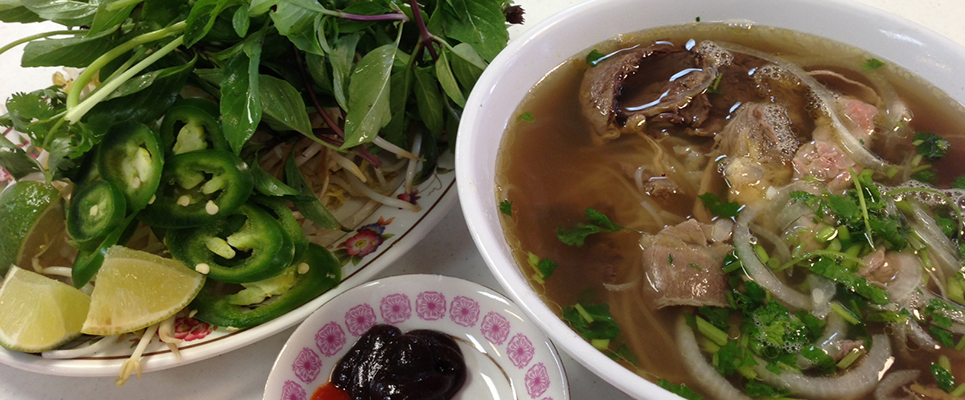
For diners in Austin, this snack fits naturally into a Vietnamese meal alongside pho, vermicelli bowls, rice plates, stir-fried noodles, and fresh drinks. Pho Hong, at 2521 Rutland Drive, offers dine-in service and delivery during designated hours seven days a week, making it a convenient place to explore Vietnamese flavors before or after ordering a larger meal.
What Makes Vietnamese Shrimp Toast Special
The appeal of bánh mì chiên tôm begins with its texture. The bread provides a crisp foundation, while the shrimp topping becomes lightly springy and savory as it cooks. Sesame seeds, scallions, garlic, pepper, or cilantro may add aroma and brightness, depending on the recipe.
Unlike shrimp toast served in many Chinese restaurants, Vietnamese versions often emphasize a more herbaceous, gently sweet flavor profile. Some preparations use thin baguette slices, while others spread the shrimp mixture over sandwich bread or small rounds of soft white bread. The ideal slice is sturdy enough to hold the topping without becoming heavy.
Freshness matters because shrimp should smell clean and mildly sweet, never strongly fishy. A well-balanced mixture is seasoned before frying, but it should not be so salty that it overwhelms the dipping sauce. The bread also needs enough surface area for an even layer of shrimp.
Core Ingredients And Preparation
A basic recipe requires peeled shrimp, bread, garlic, scallions, black pepper, fish sauce, and a small amount of sugar. Some cooks add egg white, cornstarch, or tapioca starch to help bind the shrimp and create a slightly bouncy texture. Sesame seeds can be sprinkled over the topping before frying.
The shrimp can be chopped by hand for a coarse texture or pulsed briefly in a food processor for a smoother spread. Avoid processing it into a completely uniform paste unless that texture is desired. A few small pieces give the topping more character and make the seafood easier to notice.
Spread the mixture in a thin, even layer. If it is too thick, the bread may brown before the shrimp cooks through. If it is too thin, the snack can taste dry and bread-heavy. Chilling the assembled pieces for a short time can make them easier to handle during frying.
Frying For A Crisp Finish
Traditionally, the slices are fried in shallow or deep oil until the bread is golden and the shrimp topping is fully cooked. Moderate heat is important: oil that is too hot can burn the bread while leaving the center underdone, whereas low heat may produce greasy toast.
The shrimp side usually needs careful attention because it contains moisture and may splutter when it enters the oil. Frying shrimp-side down first can help set the topping, followed by a brief turn to crisp the bread. Drain the finished pieces on a rack or paper towels, and serve them while warm.
Air-frying or oven-baking can reduce the amount of oil, though the texture will be somewhat different. Brushing the bread lightly with oil and using a hot oven can still produce browned edges. For the fullest crunch, however, traditional frying remains the classic approach.
| Element | Traditional approach | Lighter home method |
|---|---|---|
| Bread | Thin baguette or soft sandwich bread | Firm sandwich bread |
| Shrimp mixture | Minced shrimp with aromatics and fish sauce | Chopped shrimp with less oil |
| Cooking | Shallow or deep frying | Air-frying or oven-baking |
| Texture | Deeply crisp and rich | Crisp edges with a softer center |
| Serving | Warm with dipping sauce and herbs | Warm with cucumber and lettuce |
Sauces And Fresh Accompaniments
A dipping sauce gives shrimp toast its final layer of flavor. Nuoc cham, made with fish sauce, lime juice, sugar, water, and chili, cuts through the fried bread with acidity and heat. A sweet chili sauce offers a softer, sweeter contrast, while a tamarind-based sauce can bring fruitiness and gentle sourness.
The best sauce depends on the seasoning in the shrimp. A salty, garlicky topping benefits from lime and sugar, while a milder version can handle a stronger chili sauce. For a useful guide to pairing Vietnamese condiments with different foods, explore these Vietnamese dipping sauces.
Fresh accompaniments keep the snack from feeling too rich. Cucumber slices, lettuce, pickled carrot, daikon, cilantro, and Thai basil provide coolness and crunch. A small plate of herbs also lets each diner adjust the flavor and texture of every bite.
Ordering And Pairing In Austin
Vietnamese shrimp toast works well as a shared appetizer, especially when a table plans to order several dishes. Its fried, savory character contrasts with the aromatic broth of beef pho. It can also begin a meal built around vermicelli bowls, rice plates, or stir-fried noodles.
At Pho Hong, diners can use the restaurant’s menu categories to choose a broader combination of Vietnamese favorites. A bowl of pho brings warmth and broth, while a vermicelli dish adds herbs and vegetables. Smoothies and other drinks can provide a cool finish after a meal with chili, garlic, or fried textures.
Because menus and availability can change, checking the current offerings before visiting is sensible. Pho Hong’s location on Rutland Drive makes it a practical stop for nearby diners, and delivery is available during designated hours. Calling ahead can also help clarify appetizer availability, portion sizes, and service timing.
How To Taste It Like A Local
Start with a small bite without sauce. This reveals the shrimp’s seasoning, the crispness of the bread, and whether the topping has a light or dense texture. Then add a little dipping sauce rather than soaking the toast, which helps preserve its crunch.
Follow with herbs or cucumber for contrast. The cold, fresh elements reset the palate between bites, while pickled vegetables bring acidity and mild sweetness. If the shrimp mixture contains chili or pepper, a cooling drink can balance the heat.
For a home tasting, serve the toast immediately after cooking and keep sauce in a separate dish. Reheating in an oven or air fryer is better than using a microwave, which can soften the bread. Smaller pieces are also easier to share and allow several sauce combinations at one meal.
Practical Tips For A Better Batch
- Use fresh shrimp and keep it chilled until the mixture is ready to spread.
- Season the shrimp lightly at first, remembering that fish sauce and dipping sauce both add salt.
- Spread the topping evenly and avoid making it thicker than the bread can support.
- Fry or bake in batches so the pieces have enough room to brown instead of steam.
- Serve immediately with sauce, herbs, cucumber, or pickled vegetables.
Bánh mì chiên tôm shows how Vietnamese cooking turns simple ingredients into a layered snack: crisp bread, savory shrimp, bright herbs, and a lively dipping sauce. Visit Pho Hong at 2521 Rutland Drive to enjoy the restaurant’s Vietnamese menu, pair a shared appetizer with pho or noodles, and make your next Austin meal a flavorful exploration of familiar and less familiar dishes.