Vietnamese Fish Sauce: Flavor, Uses, and Choosing the Right Bottle
Vietnamese fish sauce is a small pantry staple with a remarkably large influence on Southeast Asian cooking. Known as nước mắm, it adds salt, savoriness, aroma, and depth to dishes ranging from noodle soups to dipping sauces. A few drops can transform a simple bowl of rice, while a balanced mixture can bring fresh herbs, chilies, lime, and sugar together.
The sauce is made from fermented fish and salt, traditionally using small oily fish such as anchovies. Its bold scent may seem intense when tasted alone, yet it becomes rounded and subtle when blended with other ingredients or heated during cooking.
At Pho Hong in Austin, fish sauce is part of the flavor language associated with Vietnamese food. Understanding how it is produced and used can make menu choices more rewarding and help home cooks recreate the balance found in vermicelli bowls, rice plates, and noodle dishes.
What Fish Sauce Actually Is
Traditional nước mắm begins with fish layered with salt in large wooden barrels, ceramic vessels, or other fermentation containers. Over months, naturally occurring enzymes break down the fish proteins, creating a clear amber liquid filled with concentrated umami. The first liquid drawn from the fermentation is often considered the most refined.
The finished condiment is typically filtered and bottled. Some products are blended with water, salt, sugar, or additional fish sauce to create a milder everyday style. Vietnamese labels may show a protein or nitrogen rating, which indicates concentration rather than simply measuring saltiness. A higher number often suggests a fuller, more intense product.
Fish sauce is different from fish oil, oyster sauce, or soy sauce. It is liquid, savory, and distinctly marine, but it should not taste rotten or harsh. Quality sauce has a clean aroma, rounded saltiness, and a lingering savory finish.
How Fermentation Creates Its Flavor
Anchovies are especially popular because their small size and high oil content support a rich fermentation. Salt controls unwanted microbes while allowing beneficial enzymatic activity to continue. Time, temperature, fish quality, and the ratio of salt to fish all affect the final color and flavor.
A premium first-press sauce may be clear, reddish amber, and relatively concentrated. Commercial varieties can be perfectly useful for marinades, stir-fries, and dipping sauces, especially when other ingredients are contributing acidity and sweetness. The best choice depends on how the sauce will be used rather than on price alone.
The aroma is strongest when the bottle is opened or the sauce is used in a raw dip. When added to broth or a hot pan, its fragrance softens and its savory character spreads through the dish. This is why fish sauce can deepen flavor without making the final meal taste strongly of seafood.
Flavor Profiles And Kitchen Uses
Fish sauce works as a seasoning, an ingredient in a dressing, and a finishing touch. It can replace some of the salt in soups, fried rice, marinades, braises, and vegetable dishes. Add it gradually because its flavor develops as it combines with meat juices, stock, herbs, or caramelized ingredients.
A classic Vietnamese dipping sauce, often called nước chấm, usually balances fish sauce with water, lime juice or vinegar, sugar, garlic, and sliced chili. The ideal mixture is salty, sweet, sour, and spicy without allowing any one element to dominate. Adjustments vary by dish: grilled meats may welcome more sweetness, while fresh rolls often benefit from extra acidity.
For a vermicelli bowl, the sauce may be spooned over rice noodles, herbs, pickled vegetables, and grilled or stir-fried toppings. Pho Hong’s stir-fried vermicelli option is a useful example of how noodles, vegetables, and savory seasoning can share the spotlight without requiring a heavy sauce.
| Use | What fish sauce contributes | Helpful pairing |
|---|---|---|
| Broth and soup | Deep savory character | Beef stock, ginger, onion |
| Marinades | Salt and umami | Garlic, lemongrass, sugar |
| Dipping sauce | A fermented savory base | Lime, chili, water |
| Stir-fries | Greater depth and balance | Vegetables, noodles, protein |
| Rice dishes | Richness without extra bulk | Fried egg, grilled meat, herbs |
Choosing A Bottle At The Store
Start by checking the ingredient list. A simple formula containing fish, salt, and perhaps water is a strong everyday choice. Look for a clear amber appearance rather than a cloudy or unusually dark liquid. The label may identify the fish species, place of production, fermentation period, or protein content.
The strongest sauce is not always the most versatile. A high-protein first-press product can be excellent for dipping or finishing, while a moderately concentrated sauce may be easier to use in soups and marinades. If you are new to the ingredient, choose a balanced bottle and taste it in a prepared sauce rather than straight from a spoon.
Avoid any bottle with an unpleasantly rancid smell, damaged seal, or unexpected sediment. Fish sauce naturally has an assertive aroma, so “mild” should not mean odorless. It should smell fermented and savory, not spoiled.
Storing And Cooking With Fish Sauce
Keep an unopened bottle in a cool, dry cupboard away from direct sunlight. After opening, close the cap firmly and store it according to the label. Refrigeration is usually unnecessary for commercial fish sauce, though a cooler location can help preserve quality and reduce aroma in a warm kitchen.
Use a small measuring spoon when adding it to recipes. For soup, start with a teaspoon or two and taste after the broth has simmered. In a marinade, combine it with sugar, citrus, garlic, pepper, or lemongrass so the salty flavor is distributed evenly. Adding it too early to a very hot, dry pan can cause strong fumes, so incorporate it with liquid or toward the end of cooking.
Fish sauce can also complement foods outside Vietnamese cuisine. A few drops can improve tomato sauce, roasted mushrooms, bean dishes, scrambled eggs, or homemade salad dressing. The goal is depth, not a noticeable seafood flavor.
Fish Sauce In Vietnamese Dining
Many Vietnamese dishes rely on a careful contrast between savory ingredients and fresh components. Rice noodles, herbs, cucumber, pickled carrot, roasted peanuts, grilled meats, and dipping sauce each contribute a different texture or flavor. Fish sauce helps connect those elements, especially when a dish includes both cool herbs and warm, seasoned toppings.
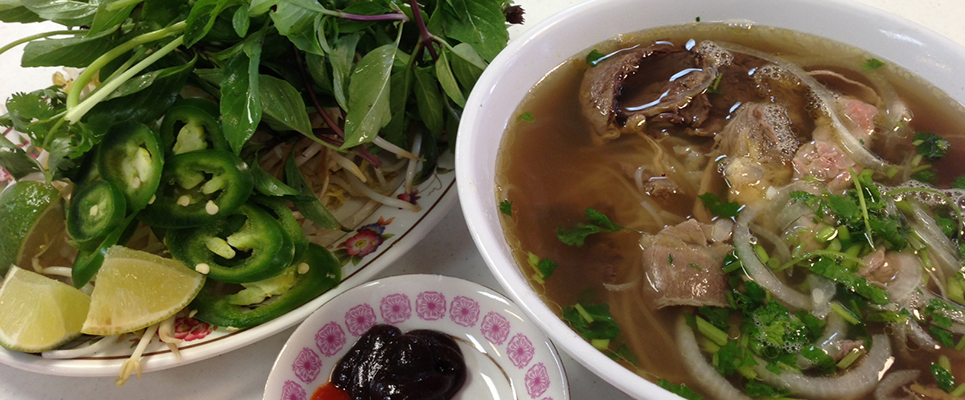
Pho broth is usually associated with beef, spices, charred onion, and aromatic herbs, while fish sauce may be used sparingly to adjust savoriness. In rice plates and stir-fried noodles, it can be more apparent because it seasons the protein, vegetables, or sauce directly. The same ingredient can therefore seem nearly invisible in one meal and more prominent in another.
At Pho Hong, diners can explore this balance across pho, vermicelli bowls, rice plates, appetizers, drinks, and smoothies. The restaurant is located at 2521 Rutland Drive in Austin and offers dine-in service, with delivery available during designated hours. Checking the current menu and service details before visiting helps match the meal to your plans.
Practical Ways To Use It Well
- Add fish sauce little by little, tasting between additions rather than correcting an overly salty dish.
- Balance it with sugar and lime juice when making a dipping sauce or noodle dressing.
- Combine it with garlic, ginger, chili, or lemongrass for a flavorful meat or tofu marinade.
- Use a mild or medium-strength bottle for everyday cooking and reserve concentrated sauce for finishing.
- Keep the cap clean and tightly closed so the bottle remains fresh and easy to use.
A well-balanced sauce should make a dish taste fuller, not simply saltier. If the flavor feels sharp, dilute it with water or stock and add a small amount of sugar or acid. If it seems flat, a few drops of fish sauce may supply the missing savory dimension.
The ingredient is inexpensive, long-lasting, and remarkably adaptable. To explore Vietnamese dishes in person, visit Pho Hong at 2521 Rutland Drive in Austin, or review its available coupon before ordering. Bring the same principles home: use a quality bottle, add it carefully, and balance its intensity with fresh, sweet, sour, and spicy flavors.