Five Vietnamese Dipping Sauces And When To Use Them
Vietnamese cuisine is built around contrast: savory broth meets bright herbs, grilled meat meets cool vegetables, and a salty sauce gains balance from sugar, lime, or chili. Dipping sauces bring those elements together at the table, allowing each bite to be adjusted to taste.
Some sauces are thin and tangy, while others are thick, sweet, nutty, or intensely fermented. Their uses are not interchangeable. The right dip can lift a delicate spring roll, complement grilled pork, or add depth to a bowl of noodles without overwhelming its main ingredients.
At Pho Hong in Austin, diners can explore Vietnamese favorites including beef pho, vermicelli bowls, rice plates, stir-fried noodles, appetizers, drinks, and smoothies. Knowing the character of each sauce makes it easier to customize those dishes with purpose.
Nước Chấm Brings Bright, Balanced Flavor
Nước chấm is the versatile table sauce many people associate with Vietnamese food. Usually made with fish sauce, water, sugar, lime juice or vinegar, garlic, and fresh chili, it combines salty, sweet, sour, spicy, and aromatic notes in one pourable condiment.
Use it with vermicelli bowls, rice plates, grilled meats, fried egg rolls, and fresh spring rolls. For a bún bowl, spoon a little over the noodles and vegetables so the sauce coats the ingredients. With a fried appetizer, use it as a dip to cut through the crisp, savory exterior.
The balance can vary by recipe. A sweeter version suits grilled pork, while a sharper, more acidic version works well with rich meat or fried foods. Add it gradually, especially when the dish already contains seasoned meat or a flavorful broth.
Hoisin Complements Pho And Grilled Meats
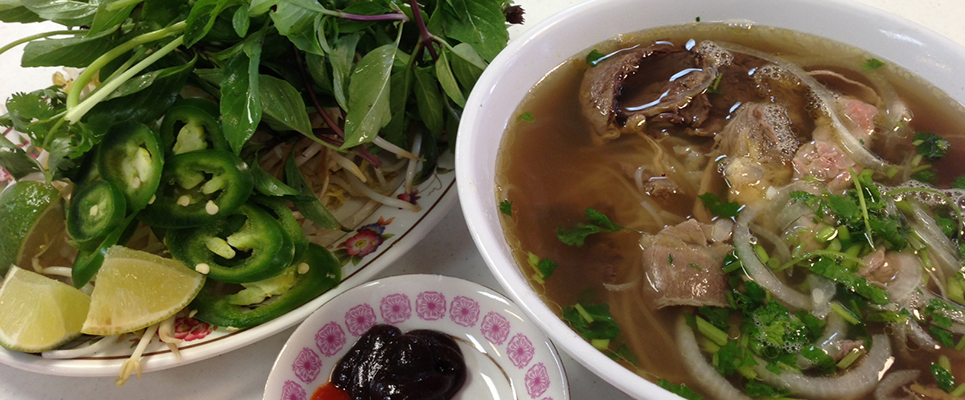
Hoisin sauce is thick, dark, sweet, and savory, with a concentrated bean-based flavor. It is commonly served alongside pho, where diners may stir a small amount into the broth or use it as a dip for slices of beef. A little goes a long way because its sweetness and saltiness are pronounced.
Pho is already shaped by the aroma of spices, beef, herbs, and carefully developed stock. The restaurant explains the depth behind its bowl in this slow-simmered broth story, which is why hoisin is best added sparingly rather than used to replace the character of the soup.
Hoisin also pairs well with grilled pork, beef, chicken, and lettuce wraps. Mix it with a little chili sauce for a richer, hotter dip, or use it beside fresh herbs and bean sprouts when you want a sweet counterpoint to savory meat.
Peanut Sauce Is Creamy And Satisfying
Vietnamese peanut sauce is commonly associated with fresh spring rolls. Its base may include peanut butter or ground peanuts, hoisin, coconut milk, garlic, or chili, creating a thick dip with sweet, salty, nutty, and lightly savory flavors.
Dip each roll lightly so the sauce does not overpower the herbs, lettuce, rice noodles, and shrimp or pork inside. The creamy texture contrasts with the fresh ingredients and gives a simple appetizer a fuller finish.
Peanut sauce also works with grilled chicken, fried tofu, and vegetables. It is especially useful when a dish has clean, fresh flavors that benefit from extra richness. People with peanut allergies should always check ingredients before ordering or sharing a sauce.
Mắm Nêm Adds Fermented Depth
Mắm nêm is a bold fermented fish sauce, often blended with pineapple, garlic, chili, sugar, or lime. It has a strong aroma and deep umami flavor, so it is usually served in small amounts. For diners new to fermented seafood sauces, tasting a little first is the best approach.
This sauce is traditionally associated with grilled meats, seafood, rice paper rolls, and hearty regional dishes. Its savory intensity stands up to beef, pork, and robust herbs, making it a good choice when a mild nước chấm feels too light.
Mắm nêm can also be diluted or brightened with citrus and fruit. That softens the fermentation and creates a more approachable dip. Because preparations vary, the sauce may taste sweeter, saltier, or more pungent depending on the kitchen.
Chili Garlic Sauce Delivers Direct Heat
Chili garlic sauce, often called tương ớt in Vietnamese meals, provides straightforward heat with a touch of sweetness, acidity, and garlic. It is generally smoother and more immediate than a fresh chili-based nước chấm.
Add it to pho when you want spice without changing the broth too much, or mix it into hoisin for a sweet-hot dipping sauce. It also gives stir-fried noodles, rice plates, fried appetizers, and grilled meats a quick lift.
Start with a small spoonful and build gradually. Chili heat can mask delicate herbs and spices, particularly in a fragrant soup. For a more balanced result, combine the sauce with lime juice, fish sauce, or a little water rather than relying on heat alone.
Compare The Sauces By Dish And Flavor
Choosing a Vietnamese condiment becomes easier when you consider the food’s texture, richness, and seasoning. Fresh rolls usually need a creamy or salty-sweet dip, while grilled meat can handle stronger fermented or spicy flavors. Soup calls for restraint because the broth is already a complete component.
| Sauce | Main Flavor | Best Pairings | How To Use It |
|---|---|---|---|
| Nước chấm | Salty, sweet, sour, spicy | Vermicelli, rice plates, egg rolls | Pour lightly or dip |
| Hoisin | Sweet, savory, rich | Pho, grilled beef, meats | Dip or stir in sparingly |
| Peanut sauce | Creamy, nutty, sweet | Fresh spring rolls, tofu, chicken | Dip each bite |
| Mắm nêm | Fermented, savory, pungent | Grilled meats, seafood, rice paper rolls | Use in small amounts |
| Chili garlic sauce | Hot, garlicky, mildly sweet | Pho, noodles, fried foods | Add gradually or blend |
The table is a starting point rather than a strict rule. A diner who prefers sharp, fresh flavors may choose nước chấm for nearly everything, while someone seeking richness may favor peanut or hoisin sauce. Vietnamese dining encourages adjustment at the table.
Build A Better Sauce Pairing
A few simple habits help preserve the flavor of both the dish and the condiment:
- Match light foods with bright sauces such as nước chấm.
- Use thick sauces sparingly with soups and delicate noodles.
- Pair rich grilled meats with acidic, spicy, or fermented flavors.
- Add chili in stages so heat does not hide herbs and aromatics.
- Taste the sauce first when trying an unfamiliar preparation.
It is also useful to keep textures in mind. A crisp fried item benefits from a thin dip that cuts through its coating, whereas a soft spring roll can support a thicker peanut sauce. With noodles and rice, pouring a modest amount distributes flavor more evenly than dipping every bite.
At Pho Hong, the sauce choice can change the personality of a familiar order. Nước chấm can make a vermicelli bowl brighter, hoisin can deepen a pho bite, and chili garlic sauce can sharpen stir-fried noodles or a rice plate. The best pairing depends on the ingredients already in the bowl.
Visit Pho Hong at 2521 Rutland Drive in Austin to enjoy Vietnamese comfort food with the freedom to season each bite your way. Dine in seven days a week or check the restaurant’s website for current delivery availability, designated hours, menu details, location information, and occasional coupons.