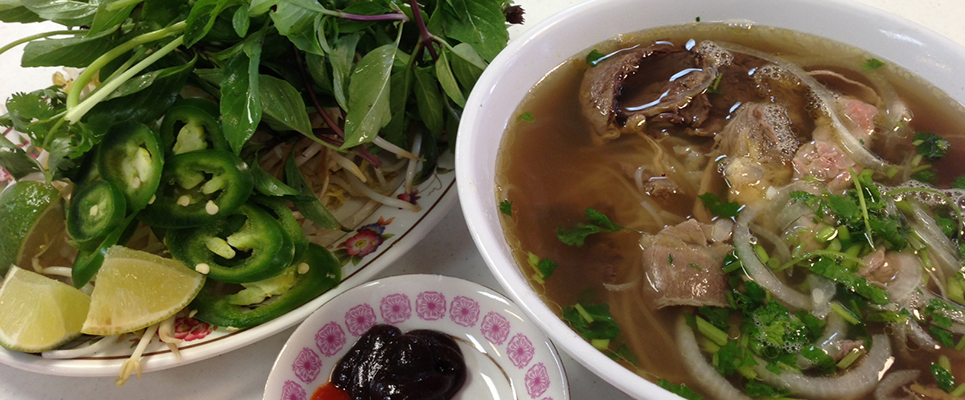
How to adjust the salt level of takeout pho at home
A container of pho brought back to a flat in Brisbane or Melbourne can feel like a small gift after a long shift, but the broth often greets you with a salinity punch rather than the gentle sip you remembered. Sitting sealed for thirty minutes sharpens the seasoning profile considerably, and the herbs that once softened the broth fade under the lid.
Restaurants in suburbs like Cabramatta or Footscray prepare broths the morning of service, so the salt level on the bench reflects cooking intent rather than a finished dish. Spooning through noodles with soy or fish sauce spikes sodium further, and a long car ride home concentrates it more. Australians already consume roughly twice the sodium recommended by national dietary guidelines, so dialing it back matters.
The good news is that broth is one of the easier things in cooking to fix. Salt can be diluted, masked, or redirected without ruining the dish, especially in a soup that welcomes additions like herbs, lime, and fresh chilli. A few reliable techniques will turn the next delivery into a meal that tastes closer to what was ladled in the kitchen.
Below is a practical approach using ingredients stocked in most Australian pantries, plus a few items from Asian grocers that have become standard in shopping centres from Parramatta to Springvale.
Why takeaway pho broth often arrives over-seasoned
Commercial kitchens cook pho broth in large batches and rely on salt as the backbone of flavour. When the ratio is right in the pot, the broth tastes balanced at the moment of service. By the time it is decanted into a takeaway tub, flavour compounds feel muted, so chefs add a splash of fish sauce right before pouring, which leaves the broth in the container noticeably saltier than its original pot.
Sodium also concentrates as the broth rests. Steam condenses back into the tub, but the salt stays put. Travelling from a suburb like Richmond to a high-rise in the CBD only sharpens this effect, as the broth sits still for the better part of an hour.
Tools and ingredients worth having on hand
A small saucepan is essential, since stovetop reheating lets you taste and adjust as you go. A microplane helps with ginger, and a sharp knife matters for slicing shallots and herbs. A measuring spoon tracks what you add so you can reverse your changes if you overshoot.
Fresh limes are widely available in Australian supermarkets and brighten an over-salted broth quickly. Thai basil and mint grow on many balconies from Adelaide to Perth, but packets of mixed Asian herbs from Woolworths or Coles work well too. Fish sauce, palm sugar, and fresh red chillies round out the toolkit. Boiling water, slightly cooled, is the diluting agent you will use most.
Diluting the broth with hot water
The most straightforward way to bring salt down is to add more liquid, but cold water dulls the aromatics. Hot water, just off the boil, preserves warmth and lets the broth continue releasing its spice profile.
For a 500-millilitre container, two to three tablespoons of water softens the salt without thinning the broth. Many home cooks in Sydney and Melbourne keep a kettle boiling during pho nights, since adjustments often happen more than once. Add water gradually rather than all at once, because salt can keep rising as the broth reheats on the stove.
Using acidity and sweetness to redirect the palate
Salt can be balanced by acid and a touch of sweetness, which is why Vietnamese tables hold lime wedges and chilli sauce. Acid competes with salt on the taste buds and makes the broth feel lighter, while a small amount of sugar rounds out harsh edges.
Half a lime and a quarter teaspoon of palm sugar dissolved in a spoon of hot broth can transform the bowl. If palm sugar is hard to source, a pinch of raw sugar works similarly, though it dissolves faster. The goal is a broth that whispers of salt rather than shouts, with star anise, cinnamon, and charred ginger able to rise through.
Reheating without concentrating the salt
How you reheat matters as much as what you add. A rolling boil drives off water and leaves salt behind in a smaller volume of liquid, while a low simmer keeps seasoning steady and lets aromatics release properly. Pour the broth into a saucepan and hold it at a bare shiver for the duration of the meal.
Avoid microwaving in the original container, since uneven heating leaves hot pockets that further concentrate salt in cooler zones. A friend running a takeaway counter in Marrickville warms broth in a small thermal jug before pouring, which keeps the temperature even without further reduction.
Building the bowl with fresh herbs and aromatics
Herbs are the great salt-distractor in pho, because their oils scatter the tongue's attention. A handful of Thai basil torn at the table releases oils in seconds, and sawtooth coriander adds a citrus edge that pulls the broth toward something cleaner. Mint softens salt with a cooling sensation that few other ingredients match.
Grate a small amount of fresh ginger directly into the hot broth and let it steep for a minute before eating. Bean sprouts rinsed under cold water add crunch and absorb some saltiness into their cells. Many home cooks pair a savoury bowl with a Vietnamese iced coffee at home brewed over condensed milk, since the bittersweet drink resets the palate between salty spoonfuls.
Practical habits for a better bowl
For those who order pho regularly through home delivery, these adjustments keep the meal closer to what the kitchen intended. If the broth runs salty too often, order it on the side next time and add it gradually as you eat.
- Decant the broth into a saucepan as soon as it arrives, leaving noodles and meat aside until the broth is ready.
- Taste the broth plain before adding anything, since early adjustments work best.
- Keep lime wedges, sliced chilli, and torn herbs ready on the bench before reheating.
- Order extra herbs and bean sprouts on the side when available, since these carry the bowl when salt climbs.
- Save leftover broth for the next day's congee or fried rice, where it dilutes further with rice and water.
| Method | Best for | Time needed | Effect on flavour |
|---|---|---|---|
| Hot water dilution | Strongly over-salted broth | 1 minute | Neutral, slightly thinner body |
| Lime and palm sugar | Slightly sharp broth | 2 minutes | Brighter, rounder finish |
| Fresh herbs only | Mildly over-seasoned broth | 30 seconds | Fresher, more aromatic |
| Skimming fat after chilling | Broth with heavy mouthfeel | 4 hours in fridge | Cleaner, lighter texture |
A bowl of pho at home should reward you with clarity and warmth, not a salty slap at the first spoonful. With a kettle on the stove and a handful of fresh herbs, the broth from a delivery bag can taste like a meal eaten at a kitchen counter in Hanoi rather than something scooped from a sealed tub.