How To Order Pho Without Onions Or With Extra Scallions
Ordering pho to suit your taste is straightforward when you use clear, specific wording. Whether you are dining at Pho Hong in Austin or ordering delivery from Australia, the key is to name the ingredient, state whether you want it removed or added, and repeat the request when confirming the order.
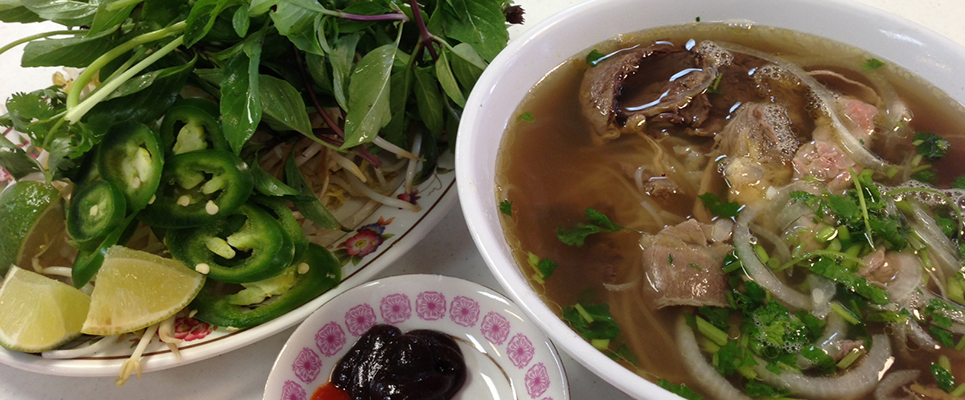
Pho toppings can vary by bowl and kitchen. A standard serving may include sliced onion, scallions, herbs, bean sprouts, lime and chilli, while the broth and noodles are prepared separately. If you dislike raw onion, need to avoid it, or simply want more green onion flavour, make the preference clear before the bowl is assembled.
Pho Hong, at 2521 Rutland Drive in Austin, serves beef pho alongside vermicelli bowls, rice plates, stir-fried noodles, appetisers, drinks and smoothies. Its dine-in and designated delivery hours make it useful to know how to communicate a customised order without creating confusion.
Use Direct, Simple Wording
For no onions, say, “Could I please have the pho with no onions?” This is clearer than saying you are not a fan of onions, which may be interpreted as a preference that can be overlooked during a busy service. You can also say, “Please leave the sliced onions out of the bowl.”
If you want extra scallions, ask for them separately from the onion request: “No onions, please, and extra scallions if available.” The distinction matters because sliced white onion and green scallions are different garnishes, even though both belong to the allium family.
Explain The Difference Between Ingredients
Some diners use “green onions”, “spring onions” and “scallions” interchangeably. In an Australian setting, “spring onions” is often the most familiar phrase, while “scallions” is common on North American menus. Using both terms can prevent a misunderstanding: “No sliced onions, but extra spring onions or scallions, please.”
If you want no onion in any form, say so explicitly. “No onions or scallions, please” is different from “No sliced onions, extra scallions.” This distinction is especially important if you are avoiding onion because of an intolerance rather than simply changing the flavour.
Mention Allergies And Cross-Contact
A preference and an allergy should be communicated differently. For a strong reaction, say, “I have an onion allergy. Can you please tell me whether the broth, garnishes or preparation area contain onion?” The restaurant may need to explain what can and cannot be guaranteed.
Australian food businesses operate within the broader Food Standards Australia New Zealand framework, including allergen information requirements for packaged foods. Restaurant meals may require a more direct conversation, and an ingredient-free request does not automatically guarantee an allergen-free kitchen. Ask about shared utensils, garnishes and preparation surfaces when the risk is medically significant.
Make The Request When Ordering Delivery
Delivery orders benefit from short, prominent instructions. Put “NO ONIONS — EXTRA SCALLIONS, PLEASE” in the order notes if the platform provides a special-instructions field. If there is a choice between menu modifiers, select the available option and add a written note to reinforce it.
During a busy Sydney or Melbourne dinner period, a concise note is easier to spot than a long explanation. If the request is essential, contact the restaurant during its listed delivery hours rather than relying solely on an app note. Pho Hong provides contact and operating information through its website, helping customers check the best ordering channel.
Confirm The Bowl Before Eating
At dine-in service, repeat the request when the order is taken and check the bowl when it arrives. A polite confirmation might be, “Just checking, this is the bowl with no onions and extra scallions, correct?” This gives staff an opportunity to fix a garnish before you begin eating.
If onions appear, do not simply remove them and assume the dish is suitable if you have an allergy. Ask the server whether the bowl can be replaced and explain why. For a taste preference, you can request a fresh garnish adjustment, depending on the restaurant’s policy and the stage of preparation.
Pair The Request With Other Toppings
Customising the garnish can make the bowl feel more balanced. If you remove onions, consider requesting extra herbs, bean sprouts, lime or chilli on the side. Keeping these additions separate lets you control texture and freshness, especially when ordering takeaway.
Pho is often served with accompaniments that are added at the table. The same approach works for appetisers: if you order spring rolls, you can explore spring roll dipping tips to manage the sauce and crunch without changing the main bowl.
Choose A Suitable Meal And Drink
If someone in your group does not want pho, Pho Hong’s menu includes rice plates, vermicelli bowls and stir-fried noodles. The rice plate menu can be a useful alternative for diners who prefer a meal without broth or who want a different base for their selected protein and vegetables.
Australian diners are accustomed to tailoring takeaway meals, from requesting sauce separately in Brisbane to selecting lighter options during a hot Perth afternoon. A non-alcoholic drink can suit the same occasion; refreshing choices such as tiki mocktail ideas offer inspiration when you want something festive without alcohol.
Quick Phrases For A Clear Order
The best wording depends on whether you are expressing a preference, managing an intolerance or asking for a particular garnish. The following phrases are short enough for phone orders, online notes and face-to-face service.
| What You Want | What To Say |
|---|---|
| Remove sliced onion | “Pho with no sliced onions, please.” |
| Add green onion | “Could I have extra scallions?” |
| Remove onion, add scallions | “No onions, but extra scallions, please.” |
| Avoid every onion garnish | “No onions or scallions in any form, please.” |
| Ask about a medical risk | “I have an onion allergy. Can you check the broth and preparation?” |
| Clarify Australian wording | “No onions, but extra spring onions if available.” |
Clear wording helps the kitchen prepare the right bowl and gives staff the information needed to respond safely. For Pho Hong orders, state the modification early, confirm it when possible, and distinguish carefully between no onions and extra scallions.