Crafting a Vietnamese meal that starts with fried wontons
A shared plate of golden fried wontons can carry more weight in a meal than its small footprint suggests. In Vietnamese dining, starters are rarely throwaway bites; they are calibrated to tune the palate, signal the kitchen's style, and set the texture for what follows. When the appetizer is fried wontons, that tuning becomes a question of contrast. Crispy, golden, and aromatic with shallot and pork, they invite the diner to choose a main that balances rather than competes.
In Australia, Vietnamese food has long outgrown its take-away container reputation, particularly in suburbs like Springvale, Footscray, and Cabramatta where family-run venues turn out house-made noodles and slow-simmered broths. Diners in Sydney, Melbourne, Brisbane, and Adelaide now expect a full table experience: starter, main, drink, and something fresh to close. Building that table around a basket of fried wontons is one of the easiest ways to bring structure to a casual lunch or a weekend dinner with friends.
| Appetizer | Recommended main | Why it works |
|---|---|---|
| Fried wontons | Beef pho | Broth refreshes the palate between crispy bites |
| Fried wontons | Vermicelli bowl | Pickled vegetables and herbs lighten the richness |
| Fried wontons | Grilled pork rice plate | Sticky rice grounds the crunch of the shell |
| Fried wontons | Stir-fried noodles | Shared umami backbone, ideal for shared plates |
| Spring rolls | Rice plate | Pairs well when a lighter follow-up is wanted |
The role of a standout starter
Fried wontons are deceptively versatile. The shell shatters, the filling stays juicy, and a dipping sauce of sweet chilli or nuoc cham sharpens everything. That profile gives the cook or diner a clear signal: the next plate should lean either toward contrast or toward harmony. Restaurants in suburban Melbourne often lean into contrast, sending out cold vermicelli after a hot starter, while Sydney venues more frequently pair fried appetizers with another hot dish for an indulgent table.
Australian portions tend to be generous, so a single basket of wontons per two diners usually reads as a starter rather than a snack. If the group is larger, doubling the basket and treating it as a shareable centrepiece lets the meal unfold slowly. That pacing mirrors the way many Vietnamese households eat, where multiple small dishes arrive in sequence rather than as a single plated course.
Pairing wontons with a broth course
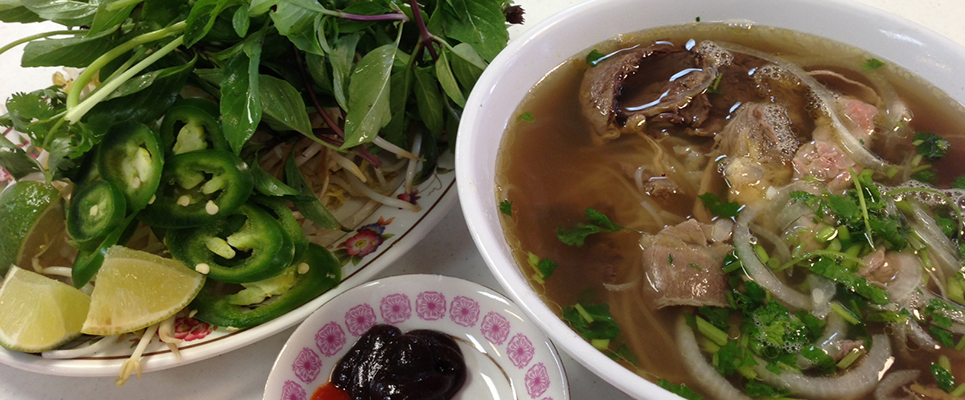
The most reliable partner for fried wontons is a bowl of beef pho. The crisp shell of the wonton gives way to the deep, slow-cooked aromatics of the broth, and the heat of the soup resets the tongue for the next bite. The contrast is so well established that it is worth understanding what makes the broth itself so effective. Reading about the twelve-hour broth method shows why the deep, star-anise-and-cinnamon warmth reads as a counterweight to anything fried.
Diners who prefer chicken pho or a vegetable version will find the same logic holds. The broth is the cooler, softer note against the wonton's crackle, and the herbs added at the table — Thai basil, sawtooth coriander, lime — add a freshness that the starter does not. In Brisbane and Perth, where pho joints often sit beside coffee shops and neighbourhood bakeries, this kind of bowl-and-starter combination is a familiar lunchtime order.
Building a vermicelli bowl around the crunch
Vermicelli bowls, known locally as bun, offer a colder, brighter counterpoint. Grilled pork or lemongrass chicken sits over rice noodles with cucumber, pickled carrot, daikon, and a generous handful of fresh herbs. The cool noodles and crunchy vegetables reset the palate after the fried starter, and the same nuoc cham sauce used for dipping wontons can be spooned over the bowl for a connecting flavour thread.
This pairing works particularly well in warmer months across Australia, when Sydney's coastal humidity or Adelaide's dry heat pushes diners toward cold dishes. A vermicelli bowl after a wonton starter also gives the table a vegetable-forward plate, which is useful when several people are sharing mains and need something green in the rotation.
Rice plates that complement the starter
Rice plates, or com, are the heartier option. A grilled pork chop, shredded chicken, or a caramelised fish dish arrives over jasmine rice with a small salad and a fish-sauce dressing. The rice absorbs the leftover dipping sauce from the wonton basket, which feels less wasteful and more intentional. Sticky rice and broken fried shells even have a quiet name in casual Australian-Vietnamese kitchens: the bottom-of-the-basket bite.
In suburban food courts from Footscray to Bankstown, rice plates are the default main for lunch crowds ordering a quick multi-course meal. They travel well, they pair naturally with a starter, and they leave room for a drink. For groups with heartier appetites, doubling the rice portion or adding a fried egg on top makes the meal feel complete without overshooting the budget — most rice plates sit comfortably under twenty Australian dollars in current pricing.
Stir-fried noodles as a substantial follow-up
Stir-fried noodles such as pho xao or pad-style dishes share the wok-kissed umami of the wonton filling. Pairing them is less about contrast and more about building a warm, savoury arc through the meal. Beef and broccoli, lemongrass tofu, or seafood with thick rice noodles all work. The wontons act as a textural overture, and the noodles carry the deeper, saucier note that follows.
Shared platters in Melbourne and Sydney often lean into this combination for group bookings. The basket of wontons arrives within the first ten minutes, followed by two or three noodle dishes to the centre of the table, and diners build their own progression from crispy to saucy. It is one of the more relaxed ways to eat Vietnamese food, and it suits Australia's casual BYO and long-lunch culture.
Drinks and smoothies to round out the meal
A meal built around fried wontons benefits from something cool to drink. Vietnamese iced coffee, with its condensed milk and slow drip, balances the salt and fat of the starter. For something lighter, a pandan or avocado smoothie offers a creamy, herbal counterpoint without overpowering the next dish. Mango smoothies, often spiked with a touch of soursop in family-run cafes, double as a low-key dessert.
In Brisbane and Darwin, tropical flavours are easier to source year-round, so smoothie menus tend to be longer and more adventurous. In cooler southern cities like Hobart or Canberra, diners often prefer hot tea or a warm ginger drink alongside a fried starter. Either approach works, as long as the drink does not repeat the richness of the wonton itself.
Practical tips for ordering or cooking at home
When building the meal at a restaurant, the simplest rule is one fried starter per two diners, plus one main each, plus a shared drink or smoothie. That formula scales easily from a couple to a table of eight and prevents the table from tipping into too-much-fried territory. For home cooks, Australian supermarkets stock wonton wrappers in the refrigerated section of most major chains, and pork mince is widely available for the filling.
Cooking the wontons fresh, then plating them next to a reheated broth or a vermicelli bowl assembled from packaged ingredients, takes the home version of this meal well past the take-away baseline. A small dish of nuoc cham — fish sauce, lime, sugar, garlic, chilli — ties the whole table together, the way it ties together a Vietnamese meal in any suburb where the food is taken seriously.