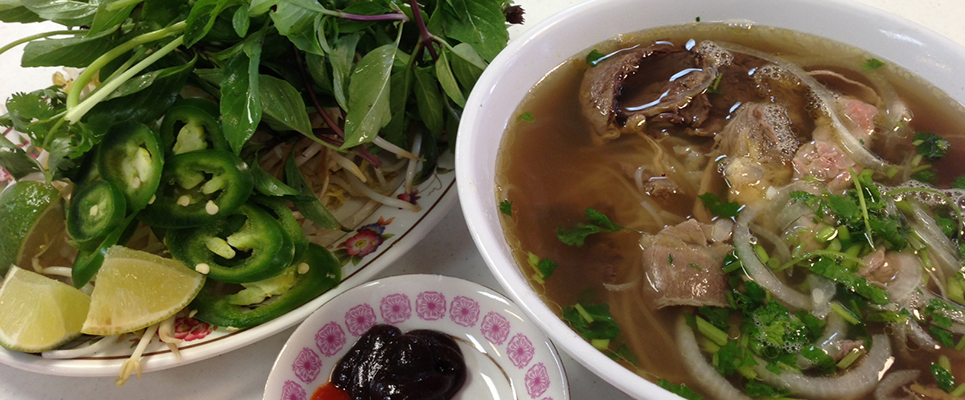
How to savour brisket and flank in a combo pho
A combo pho with brisket and flank offers two distinct beef textures in the same fragrant bowl. The brisket is usually soft, rich and yielding after a long cooking time, while flank has a firmer, leaner bite that rewards careful chewing. Together, they create a changing rhythm with every mouthful.
At Pho Hong, 2521 Rutland Drive in Austin, Texas, this style of beef noodle soup sits within a menu that also includes vermicelli bowls, rice plates, stir-fried noodles, appetisers, drinks and smoothies. For diners in Australia, the experience may feel familiar from Vietnamese restaurants in Melbourne, Sydney or Brisbane, yet the best way to appreciate the bowl is to focus on how noodles, beef, broth and garnishes interact.
Recognising the two beef textures
Brisket comes from a hardworking section of the animal, so it contains connective tissue that becomes tender through slow cooking. In a hot bowl of pho, its texture should feel moist and yielding, with enough structure to hold together when lifted with chopsticks. Its fuller flavour also contributes a rounded, savoury quality to the soup.
Flank is generally leaner and more fibrous. When sliced thinly, it has a springier chew and a clean beef flavour. It may be cooked by the heat of the broth, depending on how it is served, so its texture can shift from soft and pink to firmer as it sits. That gradual change is part of the pleasure: the first pieces can taste delicate, while later bites become more substantial.
Building each mouthful
Start by tasting a spoonful of broth before adding sauces or squeezing citrus. This gives you a clear sense of the stock’s balance and helps you notice how the brisket’s richness and flank’s leaner character sit within it. Pho broth is meant to be aromatic rather than aggressively salty, with spices such as star anise, cinnamon and clove supporting the beef.
Next, lift a small bundle of rice noodles with a piece of each beef cut. The noodles provide a smooth, slippery contrast to the meat, while fresh bean sprouts add a crisp snap. Avoid collecting too much in one bite; a modest amount makes it easier to distinguish the tender brisket from the more muscular flank.
Herbs and garnishes can be added gradually. Thai basil brings a peppery, anise-like note, coriander adds freshness, and sliced chilli gives heat without changing the soup’s fundamental character. In Australia, it is common to adjust a Vietnamese meal at the table with lime, chilli and sauces, but adding everything at once can hide the subtle textural differences.
Comparing brisket and flank in the bowl
The most useful comparison is not which cut is better, but how each one changes the pace of eating. Brisket encourages slow, soft bites, while flank gives the jaw something firmer to work through. Alternating them prevents the bowl from feeling one-dimensional.
| Beef element | Texture | Flavour impression | Best pairing in the bowl |
|---|---|---|---|
| Brisket | Tender, moist and slightly yielding | Deep, savoury and rich | Soft noodles and plain broth |
| Flank | Lean, springy and lightly fibrous | Clean, beefy and pronounced | Bean sprouts, herbs and lime |
| Both together | Varied from silky to chewy | Balanced and layered | A little chilli with measured sauce |
The order can make a noticeable difference. Try brisket with noodles first, then flank with sprouts and herbs, and finally combine both cuts in a single mouthful. This sequence moves from gentle and comforting to fresh and textured before bringing the flavours together.
Using temperature and timing to your advantage
Pho is a meal that continues cooking after it reaches the table. Thin flank slices may become firmer in the hot broth, while brisket generally remains tender. If you prefer a softer texture, separate a few flank pieces with chopsticks and eat them early. If you like a stronger chew, leave them submerged while you work through the noodles.
Take short pauses between bites rather than rushing through the bowl. The heat softens the noodles, releases the aroma of the herbs and changes the mouthfeel of the beef. This is especially useful in cooler Australian weather, when a steaming soup can be deeply satisfying in Melbourne or Canberra, but it also matters on a warm evening in Brisbane if the soup is enjoyed at a relaxed pace.
Portion control helps preserve the contrast. Eating all the brisket at once removes the richest element early, whereas alternating cuts keeps the bowl interesting. A few sips of broth between bites also refresh the palate and prevent sauces from overwhelming the natural beef flavour.
Pairings and practical dining details
Fresh garnishes are the most direct way to sharpen the texture of a combo pho. Bean sprouts add crunch, lime cuts through the fatty notes of brisket, and herbs brighten the broth. Chilli can enhance the flavour of flank, though a small amount is usually enough to avoid masking its clean taste. Hoisin or chilli sauce is best placed on the side for dipping a piece of beef rather than stirred into the entire bowl.
For a different meal format, Pho Hong’s rice plate menu provides a useful alternative to noodle soup, especially when dining with someone who prefers grilled or rice-based dishes. Australian diners are accustomed to sharing several dishes in Vietnamese restaurants, but a pho bowl is often best treated as its own composed meal so the broth remains the focus.
The restaurant offers dine-in service and delivery during designated hours, operating seven days a week. Delivery can soften noodles and reduce the contrast between brisket and flank, so dine-in is preferable when texture is the priority. If ordering from elsewhere in Austin, check the current service hours and allow time to eat the soup soon after arrival.
A combo pho rewards attention to small changes: the tender pull of brisket, the firmer chew of flank, the slippery noodles, the crunch of sprouts and the lift of fresh herbs. When each component is added in stages, the bowl becomes a sequence of textures rather than a single uniform soup.