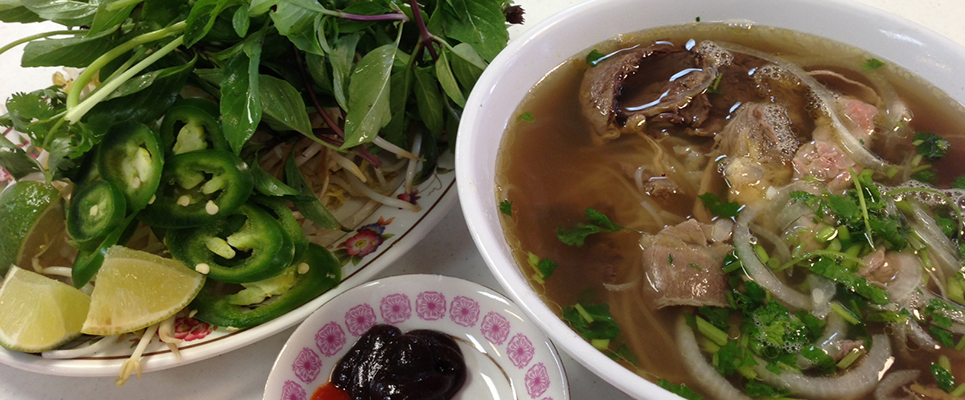
Reading the beef cuts in a bowl of classic pho
Pho is a study in contrasts: clear, aromatic broth; slippery rice noodles; thin slices of beef that change the moment they hit the heat. For Australian diners who grew up queuing along Victoria Street in Richmond or wandering through Cabramatta on a Sunday arvo, the bowl becomes a small geography of the cow itself. Each cut behaves differently in the spoon, and learning those differences is what turns a quick lunch into something you actually remember.
In Austin, Texas, places like Pho Hong put the full anatomy of the animal into your bowl, from rare steak that blushes pink to tendon that wobbles like jelly. The trick is knowing what to look for before your chopsticks dive in.
The cuts a traditional pho can hold
A single bowl of pho can hold up to six different beef components, each chosen for the way it holds broth or rewards chewing. The classic lineup includes rare beef (tái), brisket (nạm), fatty flank (gầu), tendon (gân), tripe (sách), and beef meatballs (bò viên). Some kitchens slow-cook a marrow bone in the pot itself, which is what gives the broth that cloudy, weighty body.
The names matter because the menu rarely translates them. Walk into any Vietnamese spot and you will hear "rare", "brisket", "well-done" thrown around without much explanation. Knowing the underlying cut tells you whether you are getting something quick-cooked or something that has been simmering since sunrise.
How to tell each cut apart at first glance
Use this quick reference before the broth clouds your view.
| Cut | Vietnamese name | Look and texture | How it's served |
|---|---|---|---|
| Rare beef | Tái | Bright pink-red, almost raw | Thin slices that cook in 30 seconds |
| Brisket | Nạm | Lean, pale brown, slightly firm | Sliced thin after hours of simmering |
| Fatty flank | Gầu | Marbled with white fat streaks | Soft, almost silky once hot |
| Tendon | Gân | Translucent, gel-like, springy | Slow-cooked until it nearly dissolves |
| Tripe | Sách | Honeycomb ridges, pale | Clean, slightly chewy |
| Beef ball | Bò viên | Round, bouncy, springy | Floating in broth |
The texture test is more reliable than the colour test. Raw rare beef hits the broth and turns opaque within seconds, while tendon stays wobbly no matter how long it sits. Tripe keeps its ridged grip on the chopsticks. Brisket gives way with a clean snap, fatty flank almost melts, and beef balls bounce back when you bite them.
Cooking time and the flavour it builds
A pho broth that tastes like beef in a deep, mineral way has been simmered for at least six hours, usually with charred ginger and star anise. Cuts added directly to your bowl - rare beef and meatballs - get only seconds of heat. Cuts already cooked in the broth - brisket, tendon, fatty flank - arrive fully tender and ready to eat.
This split explains why some toppings feel different from others even if they look similar. Slow-simmered cuts absorb the aromatics, so a slice of brisket in your spoon will taste more like the broth than like cow. Quickly-cooked rare slices will taste like themselves, simply warmed through. If you want the meat to sing, ask for brisket. If you want the broth to be the star, ask for rare.
Picking the right combination when you order
Ordering pho in Australia often feels like ordering a parma at the local pub - you learn a few standards and stick to them. The safe beginner move is pho tái (rare beef only) or pho tái nạm (rare plus brisket). Once you are used to the temperature of the broth, swap the rare out for fatty flank or add tendon if you want a chew that fights back a little.
Tell the server how you feel about texture and let them build the bowl. A friend who finds brisket too firm will be steered toward fatty flank or meatballs. Someone who wants a clean, light bowl will be pointed away from tendon. The same balance between richness and clarity shows up in dishes like gnocchi served with rich cheese, where soft potato meets bold dairy in much the same way that soft brisket meets spice-laden broth.
Sides and beverages that complement the beef
The herbs, the bean sprouts, the squeeze of lime - they are not garnish, they are part of the cut's personality. Thai basil lifts the fat in fatty flank, while sliced chilli cuts through the unctuous slip of tendon. A wedge of lime tightens everything that has been slow-cooked.
Drinks matter more than most people think. The drinks here include Vietnamese iced coffee, sugarcane juice, and avocado smoothies, all of which cool the palate between spoonfuls of hot broth. A cold, sweet drink resets the tongue so the next bite of brisket reads cleanly without the fat building up across the bowl.
Beyond pho: vermicelli and grilled cuts
If a bowl of pho feels like too much commitment for lunch, the vermicelli menu works the same beef in a different form. Grilled marinated cuts laid over cold rice noodles with pickled carrot and cucumber turn the brisket and flank into a summer dish. The connection between the two menus is the cut itself: the same brisket that braises in broth grills clean over charcoal for a vermicelli bowl.
A bowl of pho rewards careful attention at any temperature, whether you are tucking into it on a Sydney winter night or grabbing one to go on a Melbourne arvo after work.
Recommendations for your next bowl
- Start with pho tái nạm if you have never ordered with intention - rare and brisket together teach you both cooking times.
- Add one unfamiliar cut per visit: tendon for chew, fatty flank for richness, tripe for texture.
- Resist the urge to drown your bowl in sriracha; the broth has been seasoned to balance the beef already.
- Try the same cut across two visits - once rare, once slow-cooked - and notice how the protein changes.
- Swap your usual drink for a sugarcane juice to reset the palate between bites of fatty cuts.
- Save vermicelli for days when you want grilled beef rather than broth-led beef.