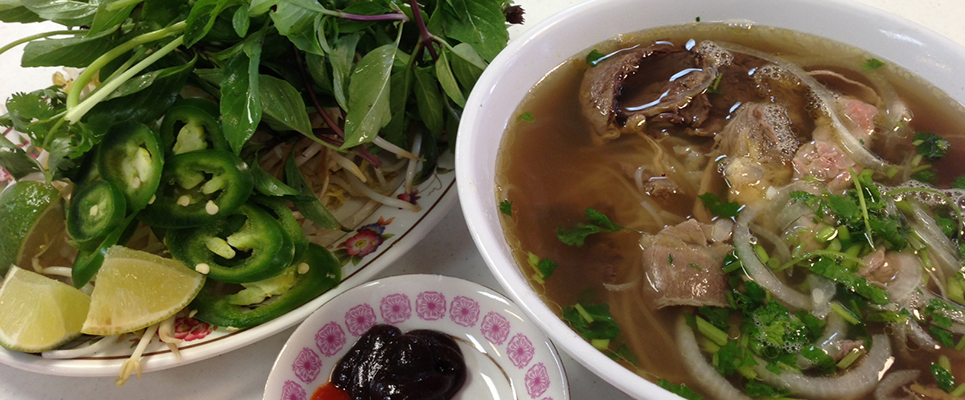
How To Tell When Pho Broth Is Perfectly Seasoned
A memorable bowl of pho depends on more than a fragrant stock. The broth must carry the flavor of roasted bones, charred onion, ginger, spices, and herbs while remaining clear enough to taste clean. Seasoning brings those elements together, but the right amount should support the broth rather than dominate it.
Perfect seasoning is a matter of balance. Salt should make the stock taste fuller, fish sauce should add savory depth, and a small amount of sugar may round out bitterness from spices or roasted aromatics. None of these ingredients should announce itself as a separate flavor.
At Pho Hong in Austin, diners can explore beef pho alongside vermicelli bowls, rice plates, stir-fried noodles, appetizers, and drinks. Whether you are tasting a homemade batch or evaluating a restaurant bowl, a few reliable sensory checks can reveal when the seasoning is truly in place.
Start With The Broth’s Natural Flavor
Before adding herbs, lime, bean sprouts, chili, or sauces, taste the broth on its own. Those accompaniments are designed to change the bowl, so they can hide a stock that is under-seasoned or too salty. Take a small sip while the broth is hot, then allow it to cool slightly and taste again.
A well-seasoned broth should have a clear savory foundation and a gentle aromatic finish. Beef flavor should remain noticeable in beef pho, while spices such as star anise, cinnamon, clove, and coriander should sit behind it. The liquid should taste complete before noodles and toppings are added.
Temperature affects perception. Very hot broth can make salt seem less obvious, while a cooler sip may reveal excessive salinity. Tasting at two temperatures gives a more accurate impression of the seasoning level.
Look For Balance, Not Intensity
A broth that tastes powerful is not necessarily well seasoned. Too much salt creates an immediate hit that lingers harshly at the sides of the tongue. Too much fish sauce can bring a fermented sharpness, and excess sugar may make the stock seem sweet rather than rounded.
Balance appears when each flavor supports the others. Salt lifts the stock’s savory character, fish sauce contributes umami, and sugar softens rough edges. Aromatics should add warmth and complexity without making the broth taste like a spice tea.
Pay attention to the finish. After swallowing, a properly seasoned broth leaves a pleasant beefy, herbal, or lightly spiced impression. If the first sip tastes acceptable but the aftertaste is bitter, metallic, overly sweet, or aggressively salty, the seasoning needs adjustment.
Use A Consistent Tasting Method
Professional kitchens often taste broth with a clean spoon or small cup so that each sample can be judged without noodles or garnishes. You can use the same approach at home. Stir the stock gently first, since seasoning may be uneven in a large pot, then taste a small amount from the center.
Assess the broth in this order: aroma, first flavor, body, salt level, and finish. Aroma tells you whether the spices and charred ingredients are integrated. The first flavor reveals the stock’s foundation. Body describes how rich or light it feels, while the finish shows whether the seasoning remains smooth.
If you are adjusting a pot, make small changes and wait several minutes before tasting again. Salt and fish sauce disperse gradually, and a broth can move from bland to oversalted faster than expected. Record approximate additions when making a large batch so the result can be repeated.
| What You Notice | Likely Meaning | Useful Adjustment |
|---|---|---|
| Flat flavor with little savory depth | The stock needs seasoning or concentration | Add a small amount of salt or fish sauce, then retaste |
| Salty first sip and harsh finish | Too much sodium or fish sauce | Dilute with unsalted stock or water |
| Pleasant aroma but weak taste | Aromatics are present, but the broth lacks body | Simmer longer or strengthen the stock before final seasoning |
| Sweetness stands out | Sugar is covering an imbalance | Add unsalted broth and reassess the salt level |
| Bitter spice finish | Spices may be over-steeped or too concentrated | Remove whole spices earlier or dilute the broth |
| Flavor disappears after swallowing | The broth may be thin or under-seasoned | Add stock concentration, then make a modest seasoning adjustment |
| Beef flavor remains clear with a smooth finish | The broth is likely well balanced | Serve and let garnishes provide additional contrast |
Separate Seasoning From Concentration
A thin broth and an under-seasoned broth can seem similar, but they require different solutions. If the stock has little body, adding salt may make it taste salty without making it satisfying. The better approach is to simmer it longer, add a richer unsalted base, or use a more concentrated stock.
Seasoning should be checked after the broth reaches its intended strength. During simmering, water evaporates and flavors become more concentrated, so a broth that tastes perfect early in the cooking process may become too salty later.
The same principle applies when serving. Noodles, ice, bean sprouts, and other additions can dilute the liquid slightly. Pho broth should be seasoned so it remains flavorful after the bowl is assembled, but it should not be so intense that every topping tastes overwhelmed.
Consider The Garnishes And Sides
Pho is designed as a customizable meal. Lime adds acidity, herbs bring freshness, and chili contributes heat. Bean sprouts provide crunch and a mild vegetal note. Because these additions change the overall balance, taste the broth both before and after adding them.
A properly seasoned bowl becomes more expressive with garnishes. Lime should brighten the broth rather than rescue it from blandness. Hoisin or chili sauce can add sweetness and heat, but the base should still taste satisfying if those condiments are used sparingly.
Drinks also influence the meal’s rhythm. A cool, lightly sweet beverage can refresh the palate after a rich broth or spicy garnish. Pho Hong offers a selection of Vietnamese drinks, including options that pair naturally with a warm bowl and help cleanse the palate between bites.
Signs To Trust Before Serving
The final check should be simple: taste a spoonful containing broth, a little noodle, and a piece of the main protein. This reflects the way the bowl will actually be eaten. The broth should still have character after meeting the noodles, while the protein should taste seasoned by the liquid rather than masked by it.
Use these practical signals when making the last adjustment:
- The broth tastes savory before any sauce or lime is added.
- Salt is noticeable but does not sting or linger harshly.
- Fish sauce contributes depth without becoming the dominant aroma.
- Spices remain warm and subtle instead of bitter or medicinal.
- The finish is clean enough to invite another sip.
When all five signs are present, the broth is ready for service. Add noodles and toppings promptly, since holding them too long can change the texture and dilute the carefully balanced stock.
Taste The Balance At Pho Hong
A perfectly seasoned pho broth is inviting from the first sip: aromatic, savory, gently rounded, and clean at the finish. It does not need to be loud to be memorable. The best seasoning creates room for beef, noodles, herbs, lime, and personal garnishes to work together.
Visit Pho Hong at 2521 Rutland Drive in Austin to enjoy a bowl prepared as part of a broader Vietnamese menu. Dine in or choose delivery during designated hours, and let a balanced bowl of pho demonstrate how thoughtful seasoning turns a clear broth into the center of the meal.