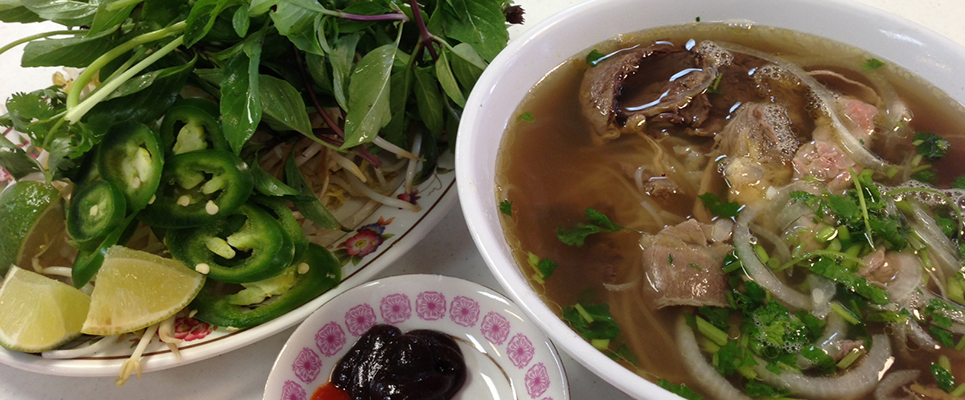
How To Layer Fresh Herbs Into A Fragrant Bowl Of Pho
A good bowl of pho is built in stages. The hot broth carries the aroma, the rice noodles provide a soft foundation, and the herbs add brightness, pepperiness and crunch. Adding every herb at once, however, can turn delicate leaves limp before you have taken the first few bites.
The best approach is to treat herbs as a changing garnish rather than a single topping. Some leaves can handle brief contact with steaming broth, while others should remain on the surface or be added gradually as you eat. This keeps the bowl fresh and gives each mouthful a different balance.
For diners in Australia, where coriander, Thai basil, mint and bean sprouts are common at Asian grocers and weekend markets, the method is easy to use at home. It also works when ordering beef pho for dine-in or delivery, especially if the herb plate arrives separately.
Prepare The Herb Plate Carefully
Start by separating the herbs according to their texture. Coriander, called cilantro in some recipes, has tender stems and leaves that can go directly into the soup. Thai basil is more robust and slightly peppery, while mint is delicate and best kept away from prolonged heat. Bean sprouts are not herbs, but their cool crunch makes them an important fresh component.
Rinse everything under cold running water, then dry it thoroughly. Excess water dilutes the broth and makes leaves cling together. A salad spinner is useful, although a clean tea towel works well in an Australian kitchen. Pick away yellow leaves and thick, woody basil stems, then leave small coriander sprigs intact for a more attractive garnish.
If the herbs are being stored before serving, wrap them loosely in a barely damp paper towel and place them in a container or reusable bag. Avoid sealing wet leaves tightly, as trapped moisture encourages browning. Keep mint and basil chilled, but allow them to sit out for a few minutes before serving so their fragrance can develop.
Build The Bowl From Firm Ingredients
Place the cooked rice noodles in the bowl first, followed by sliced beef, chicken or another chosen protein. Pour the hot broth over the ingredients rather than directly over the herbs. This lets the noodles loosen and warms the meat without immediately collapsing every leaf.
Add the sturdier garnishes next. A small handful of bean sprouts can sit partly beneath the broth, where they soften slightly while retaining some snap. Thai basil may be tucked along the edge, with only a few leaves touching the liquid. This creates a gradual release of aroma instead of a sudden, cooked-basil flavour.
Coriander stems can join the bowl at this point because they are firmer than the leaves and add a clean, grassy note. Keep most of the leafy tops above the surface. Think of the bowl as having warm and cool zones: the broth works on the lower garnishes, while the upper layer protects the freshest leaves.
Add Delicate Leaves In Small Batches
Mint should generally be added after the broth has settled for a moment. Tear large leaves once with your fingers rather than chopping them finely, since bruising releases aroma too quickly and can create a slightly bitter edge. Scatter a few pieces over the top, then reserve the rest for later bites.
Coriander leaves can be placed in two stages. Add a modest amount immediately so their fragrance mingles with the steam, then keep a fresh pinch on the side. As the bowl cools, the second addition stays vibrant and gives the final mouthfuls a sharper herbal lift.
This layered approach is similar to handling other fragile, richly flavoured foods: gentle timing matters. Guidance on serving delicate ankimo textures offers a useful reminder that soft ingredients are best protected from unnecessary heat and rough handling. Pho herbs benefit from the same restraint.
Adjust Each Mouthful At The Table
Begin with a small amount of lime, chilli and herbs, then taste the broth before adding more. Lime can make a salty broth seem sharper, while chilli brings heat that may overpower mint or basil. Add condiments to the side of the bowl when possible so the flavour remains adjustable.
For a balanced bite, lift noodles with a little protein, a few bean sprouts and one or two herbs. Avoid packing the spoon with every garnish at once. The purpose of layering is to let the herbs appear in turns: coriander with the first spoonfuls, basil as the soup opens up, and mint towards the cooler surface.
When eating pho delivered in Sydney, Melbourne or Brisbane, open the container promptly and transfer the herbs onto a separate dry plate if they have travelled with the hot broth. Australian food businesses must follow food safety requirements under the Food Standards Code, but good personal handling still matters. Keep chilled garnishes cold until serving and refrigerate leftovers quickly rather than leaving them on the bench.
Keep Freshness In The Centre Of The Meal
Vietnamese meals suit Australia’s everyday preference for flexible, shared dining. A herb plate can sit in the middle of the table, allowing everyone to choose between a stronger basil flavour, extra coriander or a milder bowl. At a weekend market, look for perky leaves, crisp stems and an aroma that is noticeable before the bunch is crushed.
Pho Hong in Austin serves beef pho alongside vermicelli bowls, rice plates, stir-fried noodles, appetisers, drinks and smoothies, with dine-in and designated delivery hours seven days a week; its Pho Hong menu gives diners a useful reference for the broader meal. Whether preparing pho at home or ordering it, the herb strategy remains the same: protect the leaves first, then add heat gradually.
Use these simple habits when preparing or serving the bowl:
- Wash herbs shortly before eating and dry them well.
- Separate firm stems and bean sprouts from fragile leaves.
- Pour broth over noodles and protein, not over the entire herb plate.
- Add mint and most coriander after the steam has eased.
- Keep extra herbs dry and chilled until they are needed.
- Taste before adding lime, chilli or salty sauces.
- Refresh the bowl with a final small pinch of herbs just before the last bites.