Quick Pickled Carrot and Daikon for Bright Vietnamese Flavors at Home
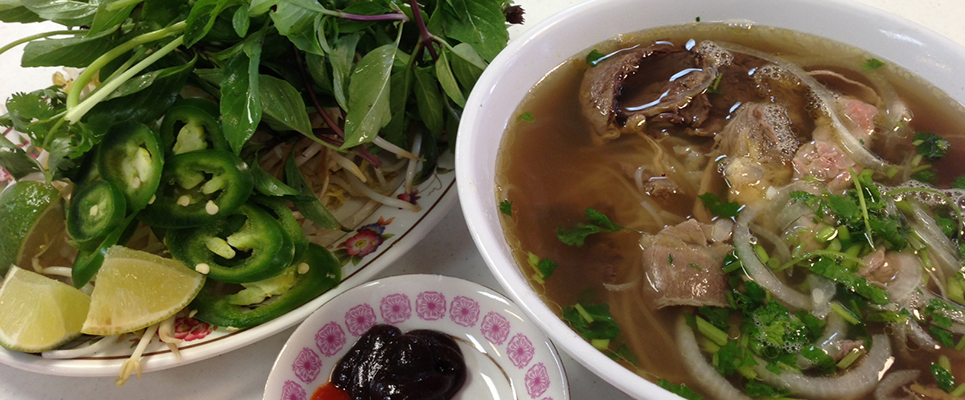
A small jar of pickled vegetables sits on nearly every Vietnamese family table, and once you taste the sweet-tangy crunch of carrot and daikon you understand why. The condiment, known as đồ chua, adds a lively snap to sandwiches, grilled meats, rice plates and bowls of noodle soup. Restaurants across Melbourne's Footscray strip and Sydney's Cabramatta reach for it daily, yet the homemade version is just as rewarding and takes only a handful of pantry staples.
The appeal lies in its speed. Unlike long ferments that demand weeks of patience, a quick pickle is ready in thirty minutes and keeps for weeks in the refrigerator. For Australian home cooks juggling work, school runs and weekend footy, that kind of flexibility matters. You can start a jar on a Sunday evening and have a vibrant garnish ready by the time the BBQ is fired up.
Best of all, the recipe forgives improvisation. Once you understand the ratio of sugar, vinegar, salt and water, you can adjust the sweetness, swap carrots for red cabbage or add chilli for heat. The method below is the simplest version that keeps earning a spot in the fridge, and it pairs beautifully with everything from a humble cheese toastie to a steaming bowl of pho.
Gathering your ingredients from a local market
The list is short. You need one medium carrot, a small piece of daikon radish (about the same weight), plain white vinegar or rice vinegar, caster sugar, salt and water. Australian supermarkets such as Coles and Woolworths stock daikon most weeks, but for the freshest, snappiest specimens head to a Vietnamese grocer. Adelaide Central Market has several stalls worth a look, and Brisbane's Eat Street Northshore vendors often carry bundles picked up from local growers the same morning.
If daikon proves elusive, a small white radish or even kohlrabi will pickle in much the same way, though the flavour is a touch milder. Carrots are non-negotiable; they bring colour and a natural sweetness that balances the brine. Some cooks add a slice of fresh ginger or a bruised clove of garlic to the jar, and both are worth experimenting with once you have the base recipe down. For a thoughtful look at how professional kitchens approach ingredient sourcing practices, it is worth a separate read.
Cutting for the right crunch
Texture is everything in a pickle this quick. Slice the carrot and daikon into thin matchsticks about four centimetres long so they absorb the brine without turning limp. A Japanese mandoline makes the job effortless, but a steady hand and a sharp knife work fine. Aim for pieces roughly the thickness of a chopstick; anything thicker stays chalky, anything thinner loses its bite.
Pack the cut vegetables into a clean glass jar with a tight-fitting lid. A 500 ml preserving jar is ideal, and you can find cheap ones at Kmart or any two-dollar shop across Sydney. Press the vegetables down gently so the jar is filled snugly, leaving about two centimetres of headspace for the brine to cover them completely.
Building the sweet-sour brine
The classic ratio is one part vinegar to one part water, with enough sugar to round out the sharpness and a teaspoon of salt to sharpen the flavours. For a 500 ml jar, combine 100 ml of rice vinegar, 100 ml of water, two tablespoons of caster sugar and half a teaspoon of salt in a small saucepan. Bring it to a brief simmer, stirring until the sugar dissolves, then remove from the heat.
| Vinegar option | Flavour profile | Best for |
|---|---|---|
| Rice vinegar | Mild, slightly sweet | Classic đồ chua |
| White wine vinegar | Brighter, more floral | Mediterranean twist |
| Apple cider vinegar | Fruity, mellow | Earthy depth |
| Distilled white vinegar | Sharp, neutral | Budget batches |
Some cooks prefer a stronger vinegar punch and use only vinegar with no water, while others soften the edge with a splash of lime juice. If you are new to the recipe, start with the half-and-half version and adjust to taste once the pickle has cooled. Pour the warm brine over the vegetables, tap the jar on the bench to release any trapped air bubbles, and seal the lid.
Timing and storage in the fridge
Patience is the hardest ingredient. The pickle needs at least thirty minutes at room temperature to begin softening, and tastes noticeably better after two hours. For the deepest flavour, leave the vegetables to sit overnight in the refrigerator; the sugar penetrates the cell walls and the vinegar mellows into something almost candied.
Stored in a sealed jar, the pickle keeps comfortably for three to four weeks, though the texture softens slightly after the first fortnight. Always use a clean fork or chopsticks when serving to avoid introducing bacteria, and never return unused portions to the jar. If the brine looks cloudy or develops an off smell, compost the batch and start fresh.
Serving ideas beyond the classic banh mi
The obvious home for đồ chua is a Vietnamese baguette, where the pickle cuts through rich pâté, grilled pork and a slick of mayonnaise. But the condiment is far more versatile. Spoon it onto vermicelli bowls, scatter it across rice plates, or tuck it inside rice-paper rolls for a bright contrast to prawns and herbs. It is also a lively side dish for grilled fish, a topping for pulled-meat sliders at a weekend barbie, and a small flourish alongside curries or roast lamb.
For anyone keen to build a fuller Vietnamese spread at home, the pickle slips naturally into a dinner built around stir-fried noodles, where its acidity balances the savoury soy and oyster sauce in every tangled strand.
Australian kitchen notes and small variations
Australian summers demand a pickle that can stand up to humidity and travel. Keep the jar towards the back of the fridge rather than the door, where temperatures swing every time someone reaches for milk. If you are taking a container to a friend's place in Perth or packing it for a coastal picnic in Noosa, nestle it in an esky with ice packs to keep the vegetables crunchy for serving.
For a sweeter profile favoured in southern Vietnam, increase the sugar to three tablespoons and add a strip of lime peel to the brine. In the north, the condiment leans sharper and often includes a touch of turmeric for a golden hue. A pinch of chilli flakes turns the pickle into a fiery condiment that wakes up a sleepy bowl of noodle soup on a cold Canberra evening. Whichever direction you take it, the recipe rewards tinkering, and once a jar lives in the fridge you will find excuses to reach for it almost daily.