Brewing Vietnamese coffee at home: a simple step-by-step guide
Vietnamese coffee carries a distinctive character shaped by robusta beans, dark roasting, and the slow drip of a small metal filter. The result is a thick, intensely flavoured brew that forms the base of cà phê sữa đá, the country's beloved iced coffee with condensed milk. For Australians who already appreciate a flat white or a long mac, learning this method opens a new chapter in at-home brewing that requires almost no specialised gear beyond a traditional phin filter.
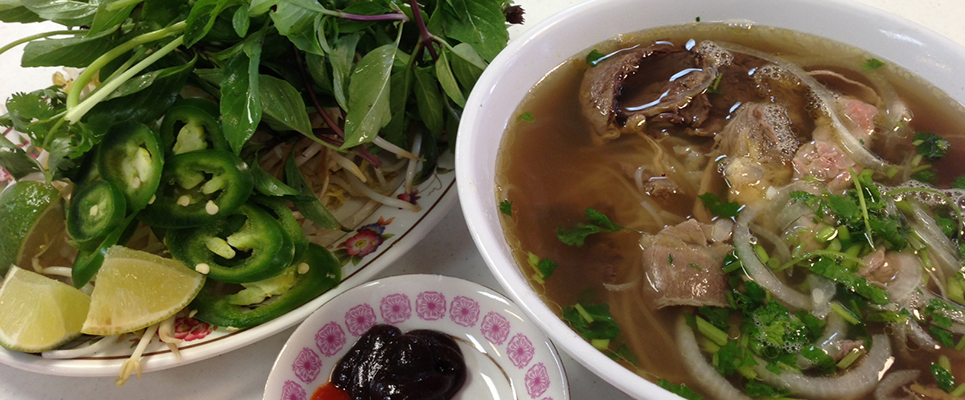
The technique suits casual home kitchens, and the ingredients are easy to source through Asian grocers in Sydney, Melbourne, Brisbane, and other major centres. With a few minutes of patience and a willingness to embrace a slower ritual, anyone can recreate the coffee served at Vietnamese restaurants across Australia, including the version enjoyed alongside a steaming bowl of pho at Pho Hong.
The character of Vietnamese coffee
Vietnamese coffee relies on robusta beans roasted until dark, often with a touch of butter or oil to deepen the body. This produces a stronger, more bitter profile than the arabica-based espresso favoured across most Australian cafés. Robusta contains roughly twice the caffeine of arabica and brings earthy, chocolatey notes that pair naturally with the sweetness of condensed milk.
The traditional preparation uses a phin filter, a small stainless steel or aluminium dripper that sits directly on the cup. Water passes through the grounds slowly, extracting a concentrate that resembles a strong, slightly gritty espresso. Many Australian home brewers find the process meditative compared with the rapid pressure of a commercial espresso machine, and it requires no electricity or expensive maintenance.
Essential ingredients and equipment
The core ingredients are few: coarsely ground Vietnamese-style coffee, sweetened condensed milk, and hot water just off the boil. Ice is added for the iced version, while hot drinkers simply let the brew finish dripping straight into the sweetened milk.
Equipment can be as simple as a phin filter and a sturdy ceramic or glass mug. Those without a phin can improvise with a French press or even a small sieve lined with cloth, though the extraction will differ. Choosing the right method depends on how close you want to get to the café experience and what tools you already keep in the kitchen.
| Brewing method | Equipment needed | Brew time | Flavour profile | Best for |
|---|---|---|---|---|
| Phin filter | Phin, mug | 5–7 minutes | Strong, smooth, slightly oily | Authentic Vietnamese style |
| French press | Press, kettle | 4 minutes | Full-bodied, sediment-free | Quick weeknight brews |
| Espresso machine | Machine, grinder | 25–30 seconds | Concentrated, crema-rich | Households already owning gear |
| Cloth or sieve | Fine cloth, sieve | 8–10 minutes | Rustic, variable clarity | Experimenting with traditional tools |
Step-by-step brewing method
Start by adding one to two tablespoons of sweetened condensed milk to the bottom of a heatproof glass. The amount depends on how sweet you like your drink; Australians accustomed to less sugary palates often begin with a smaller pour and adjust upward.
Place the phin filter directly over the glass. Add two tablespoons of coarsely ground Vietnamese coffee and gently press the internal filter disc to level the bed. Pour a small amount of hot water (around 90°C) over the grounds to bloom them for about 30 seconds, then fill the filter chamber with more water and place the lid on top.
Allow the coffee to drip slowly for five to seven minutes. Resist the urge to press the filter down, as this will push bitter sediment into the brew. Once dripping stops, remove the phin, stir the coffee thoroughly with the condensed milk, and add ice for a classic cà phê sữa đá. Hot drinkers can simply enjoy it as cà phê sữa nóng.
Common mistakes to avoid
- Using finely ground coffee, which clogs the phin and creates bitterness.
- Pouring boiling water directly onto the grounds, which scalds them.
- Pressing the filter disc too firmly, which over-extracts the brew.
- Skipping the bloom step, which produces uneven extraction.
Adapting the recipe for Australian kitchens
Australian tap water is generally soft and clean, making it suitable for coffee brewing without filtration, though those in Perth or regional areas with harder water may notice slight flavour differences. Many local baristas in Melbourne's laneway cafés recommend filtered water for any slow-brewing method, and the same advice applies to a Vietnamese drip.
Sweetened condensed milk is widely available in major Australian supermarkets under brands like Nestle and Aussie-owned Bega, though Vietnamese shoppers in Cabramatta or Footscray often seek out Thai or Vietnamese imports for a richer, slightly caramelised taste. Under Food Standards Australia New Zealand guidelines, condensed milk must contain at least 8% milk fat and 45% sugar, so any product labelled as such will deliver consistent results.
Sourcing quality beans is simpler than many home brewers expect:
- Asian grocers in suburbs like Cabramatta, Richmond, and Springvale stock Vietnamese brands such as Trung Nguyen and Highlands.
- Online Australian retailers now ship Vietnamese-style robusta blends nationwide.
- Look for "fine" or "medium" grind labels, as pre-ground Vietnamese coffee is calibrated for phin filters.
- Check that packaging displays a "Product of Vietnam" label or a clearly stated robusta percentage.
For caffeine-conscious drinkers, it's worth noting that a single serve of Vietnamese coffee typically delivers around 100–150 mg of caffeine, similar to a double shot of espresso. Australian Dietary Guidelines recommend keeping daily caffeine intake below 400 mg for healthy adults, so one or two Vietnamese coffees a day sits comfortably within safe limits.
Pairing your coffee with Vietnamese food
Vietnamese coffee is traditionally enjoyed alongside strong, savoury flavours. A glass of cà phê sữa đá complements the brightness of a bowl of pho, the smoky char of grilled pork vermicelli, or the sweet-sour notes of a stir-fried noodle dish. Many Australians now treat the coffee as an everyday ritual, much like a morning flat white, while others reserve it as an afternoon pick-me-up after lunch.
For those who want to experience the coffee alongside authentic dishes without brewing at home, Vietnamese restaurants across Sydney, Melbourne, and Adelaide offer the full experience. The team at Pho Hong shows how the coffee fits naturally into a broader Vietnamese meal, served alongside steaming broths and crisp salads that round out the flavour profile.