How To Make Crispy Spring Rolls At Home
Crispy spring rolls are one of the most satisfying Vietnamese dishes to prepare at home. A thin wrapper, savory filling, and quick dip can turn simple ingredients into a snack or meal with contrasting textures: crackly on the outside, tender and aromatic inside.
The key is controlling moisture. Vegetables, noodles, and meat must be cooked and cooled before they meet the wrapper. If the filling is wet or warm, the wrapper can split, absorb oil, or soften before it becomes golden.
For a wider Vietnamese meal, browse the Pho Hong menu for ideas such as beef pho, vermicelli bowls, rice plates, and refreshing smoothies. Spring rolls pair especially well with fresh herbs, rice noodles, and a bright dipping sauce.
Choose The Right Ingredients
Traditional fried spring rolls often use dried rice paper, while some versions use wheat-based pastry wrappers. Rice paper creates a delicate, blistered shell when fried, but it must be softened carefully. Wheat wrappers are easier to handle and tend to produce a more uniform, shattering crust.
For the filling, combine a savory protein with finely sliced vegetables. Ground pork is classic, though chicken, shrimp, tofu, or mushrooms can work well. Shredded carrot, cabbage, wood ear mushrooms, garlic, and shallots add flavor and texture. Glass noodles help bind everything together, but use them sparingly so the rolls do not become dense.
Season the mixture with fish sauce, white pepper, sugar, and a little sesame oil. Keep the seasoning concentrated because the filling will be distributed across several wrappers and served with a flavorful sauce.
Prepare A Dry, Flavorful Filling
Soak glass noodles in warm water until flexible, then drain them thoroughly and cut them into short lengths. Squeeze out excess water from mushrooms and vegetables. Moisture trapped in the filling is the main reason homemade spring rolls fail to crisp.
Cook the meat or seafood with aromatics until done, then add the vegetables briefly. The mixture should be tender but not watery. If liquid collects in the pan, continue cooking until it evaporates. Spread the finished filling on a plate or baking sheet and let it cool completely.
Cooling does more than make wrapping easier. It prevents steam from becoming trapped inside the roll, which can cause the wrapper to tear during frying. For a particularly dry mixture, chill it for 20 to 30 minutes before assembling.
Roll Tightly Without Overfilling
If using rice paper, dip one sheet in lukewarm water for only a second or two. Lay it on a clean, damp towel and wait several seconds for it to soften. The wrapper will continue absorbing water as you work, so it should still feel slightly firm when placed on the towel.
Put a modest line of filling near the lower third of the wrapper. Fold the bottom edge over it, tuck in both sides, and roll forward firmly. Avoid packing the filling too tightly; a little space allows steam to escape and reduces the chance of bursting.
For wheat wrappers, seal the final edge with a paste made from flour and water. Rice paper usually adheres to itself, but a light brush of water can secure a stubborn edge. Keep completed rolls covered with a barely damp cloth while you finish the batch.
Fry For A Golden, Crunchy Shell
Use a neutral oil with a high smoke point, such as peanut, canola, or vegetable oil. Heat it to approximately 325°F for the first frying stage. A lower temperature cooks the center gently and helps the wrapper firm up without becoming dark too quickly.
Fry the rolls in small batches so the oil temperature remains stable. Do not crowd the pot, and turn the rolls occasionally for even coloring. After about five to seven minutes, remove them when the shell is pale golden and place them on a wire rack rather than directly on paper towels.
For extra crunch, allow the rolls to rest for several minutes before a second fry at about 350°F. The second stage quickly deepens the color and drives off surface moisture. Drain them upright or on a rack so hot oil does not collect beneath the wrapper.
| Method | Texture | Best For | Main Caution |
|---|---|---|---|
| Single fry | Crisp and light | Quick batches | Requires steady oil temperature |
| Double fry | Extra crunchy and durable | Parties or meal prep | Needs a short resting period |
| Air fryer | Less oily, moderately crisp | Small portions | Brush lightly with oil and avoid overlap |
| Oven bake | Mildly crisp | Convenient weeknight cooking | Usually less blistered than fried rolls |
Match The Rolls With A Fresh Dip
A balanced dipping sauce brings acidity, sweetness, salt, and heat. For a classic Vietnamese-style dip, mix fish sauce with lime juice, sugar, water, minced garlic, and sliced chili. Stir until the sugar dissolves, then adjust the flavors until the sauce tastes bright rather than harsh.
Peanut sauce is another option, especially with vegetable or tofu rolls. A little hoisin, peanut butter, warm water, lime juice, and chili can create a creamy dip. Keep the sauce loose enough for dipping, not thick enough to tear the wrapper.
Serve the rolls with lettuce, mint, cilantro, Thai basil, and cucumber. Wrapping a hot spring roll in lettuce adds freshness and makes each bite more balanced. Pickled carrot and daikon can add a crisp, tangy contrast as well.
Keep The Process Clean And Consistent
Work in an organized sequence: prepare the sauce, cook and cool the filling, set up the wrappers, and heat the oil only when the rolls are ready. This reduces waiting time and keeps the wrappers from drying out on the counter.
These practical habits help produce reliable results:
- Drain every vegetable and noodle thoroughly before mixing the filling.
- Use less filling than you think you need and roll with steady pressure.
- Fry only a few pieces at a time to protect the oil temperature.
- Cool fried rolls on a wire rack so the bottoms remain crisp.
- Reheat leftovers in an air fryer or hot oven instead of a microwave.
Uncooked rolls can be refrigerated briefly on a parchment-lined tray, with space between each piece. For longer storage, freeze them in a single layer before transferring them to a sealed container. Fry frozen rolls over moderate heat so the center warms before the wrapper becomes too dark.
Turn A Snack Into A Vietnamese Meal
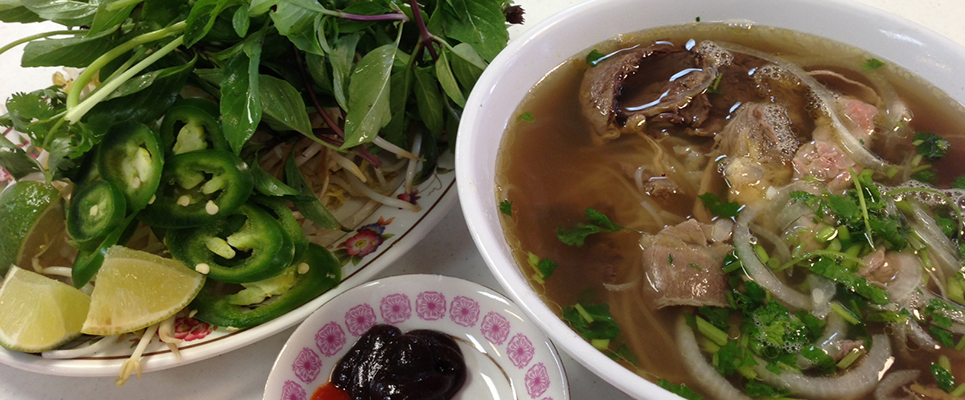
Crispy spring rolls can be served as an appetizer, tucked into vermicelli bowls, or arranged beside rice and fresh vegetables. Their salty, crunchy texture also complements the aromatic broth of beef pho, creating a meal with both richness and freshness.
If you are in Austin, Texas, Pho Hong at 2521 Rutland Drive offers dine-in service and delivery during designated hours, with Vietnamese favorites available seven days a week. Its menu provides a convenient way to enjoy the flavors that inspire a homemade spring roll dinner.
Make a batch, prepare two dipping sauces, and serve the rolls while their wrappers are still audibly crisp. For a complete Vietnamese-style spread, add herbs, pickles, noodles, and a bowl of pho from Pho Hong to bring restaurant flavor and homemade texture to the same table.