How To Make Fresh Mint And Cilantro Last Longer In Your Fridge
Fresh mint and cilantro can transform a simple meal, but both herbs wilt quickly when they are stored carelessly. Cilantro tends to droop and darken, while mint may develop limp leaves, black spots, or a stale smell. The right balance of moisture, airflow, and temperature can keep them usable for much longer.
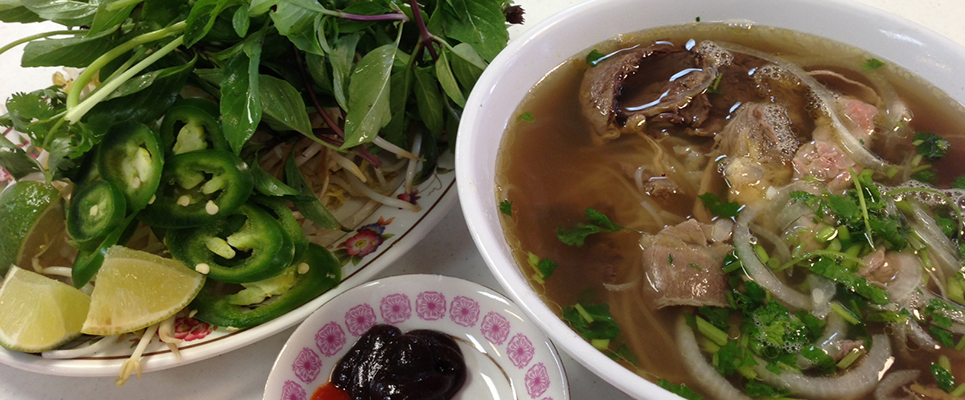
These herbs are especially valuable in Vietnamese-inspired meals. Cilantro adds a bright, peppery finish to pho and rice plates, while mint brings a cool lift to vermicelli bowls, spring rolls, and dipping sauces. Learning how to store them well means less waste and better flavor throughout the week.
Pho Hong serves dishes where fresh herbs help complete the meal, along with beef pho, stir-fried noodles, appetizers, smoothies, and other Vietnamese favorites in Austin. Whether you are preparing food at home or stopping by the restaurant at 2521 Rutland Drive, properly handled herbs make every serving more aromatic.
Start With Better Herb Preparation
Begin by sorting the mint and cilantro as soon as you bring them home. Remove yellow leaves, slimy stems, and any pieces that are already breaking down. One spoiled leaf can spread excess moisture and bacteria to the rest of the bunch, shortening its usable life.
Avoid washing the herbs immediately unless you plan to dry them thoroughly. Water left between the leaves encourages decay. If the herbs need washing, place them in a bowl of cool water, gently swish them, and lift them out rather than pouring the water and sediment back over them.
Drying is the critical step. Spread the herbs on a clean kitchen towel and pat them carefully, or use a salad spinner on a gentle setting. Let them air-dry briefly before storage. The leaves should feel fresh and flexible, not wet.
Store Cilantro Like A Bouquet
Cilantro usually lasts best when its stems sit in a small amount of water. Trim the bottom of the stems, place the bunch upright in a jar, and add roughly an inch of cool water. The leaves should stay above the waterline so they do not become saturated.
Loosely cover the jar with a reusable produce bag or a thin plastic bag. The covering helps retain humidity without sealing in too much condensation. Store the jar in the refrigerator and replace the water every few days, or sooner if it becomes cloudy.
Check the bunch regularly and remove fading leaves. Fresh cilantro may stay usable for one to two weeks with this method, although its condition depends on how fresh it was when purchased. A clean jar and fresh water make a noticeable difference.
Protect Mint From Excess Moisture
Mint has delicate leaves and can deteriorate quickly if compressed. A practical method is to wrap the dry sprigs loosely in a slightly damp paper towel, then place them inside a partly open storage bag or container. The towel should be barely moist rather than wet.
Another option is a ventilated herb keeper or a lidded container lined with a dry paper towel. Do not pack the mint tightly. A little space allows air to circulate and prevents bruised leaves from turning dark.
Keep mint away from the coldest part of the refrigerator, where freezing temperatures can damage its leaves. The crisper drawer is often suitable, provided the herbs are not stored beside produce that releases a great deal of moisture or ethylene gas.
| Storage Method | Best For | Main Benefit | Common Mistake |
|---|---|---|---|
| Jar with shallow water | Cilantro | Keeps stems hydrated | Submerging the leaves |
| Damp towel and loose bag | Mint | Maintains gentle humidity | Making the towel soaking wet |
| Airtight container | Very dry, trimmed herbs | Prevents rapid dehydration | Trapping condensation inside |
| Freezer storage | Chopped herbs for cooking | Extends long-term use | Expecting frozen herbs to stay crisp |
Control Temperature And Condensation
The refrigerator should be cold enough to slow deterioration but not so cold that tender leaves freeze. Keep herbs away from the rear wall and any vent that blows directly onto produce. Sudden chilling can create translucent, water-damaged patches.
Condensation is another major problem. If droplets collect inside a bag or container, open it briefly and replace any damp paper towel. A few ventilation holes can help, especially when the herbs were recently rinsed.
Do not store mint or cilantro in the same sealed container as wet vegetables. Separate storage gives each ingredient a better moisture environment. It also makes it easier to spot herbs that need attention before the whole container is affected.
Refresh Wilted Herbs Before Discarding Them
Slightly wilted cilantro or mint can often be revived. Trim a small amount from the stem ends and place the herbs in ice-cold water for five to ten minutes. The leaves may regain firmness as they absorb water through the stems.
After soaking, drain and dry the herbs carefully. Use revived cilantro first because it generally loses quality faster. Mint that is too soft for garnishing can still flavor infused water, sauces, dressings, or cooked dishes.
The freezer is useful when fresh texture is no longer essential. Chop the herbs and freeze them in small portions, either in a sealed bag or in ice cube trays with a little water. Frozen herbs work well in soups, sauces, marinades, and stir-fries, but they will not have the crisp texture of fresh leaves.
Build Fresh Herbs Into Everyday Meals
Using herbs regularly is the simplest way to prevent waste. Add chopped cilantro to scrambled eggs, tacos, rice bowls, soups, and homemade salsa. Mint works well in iced tea, cucumber salads, fruit, yogurt sauces, and grain bowls.
Vietnamese meals offer especially natural uses. Sprinkle cilantro over pho just before serving, or combine mint with lettuce and vegetables in a vermicelli bowl. If you enjoy the contrast between fresh toppings and noodles, read about why fresh rice noodles matter for more context on texture and preparation.
Extra mint can also become a drink garnish or a blended ingredient. For a ready-made example of a refreshing beverage from Pho Hong, explore the Bereraaes smoothie. At home, a small amount of mint can brighten fruit smoothies without overpowering the main flavors.
A Simple Weekly Herb Routine
A consistent routine takes only a few minutes and helps preserve flavor:
- Sort the bunches and remove damaged leaves immediately.
- Wash only when needed, then dry the herbs completely.
- Store cilantro upright in shallow water with a loose cover.
- Keep mint lightly wrapped with ventilation and minimal moisture.
- Check both containers every two or three days and use fading herbs first.
When you plan to prepare pho, vermicelli bowls, or rice plates, take out only the amount of herbs you need. Leaving the rest chilled and protected reduces handling and keeps the remaining leaves in better condition.
Fresh herbs are small ingredients, but they have a powerful effect on aroma, color, and balance. Use these storage habits at home, then visit Pho Hong in Austin for Vietnamese dishes built around bright, satisfying flavors. Dine in or check the restaurant’s designated delivery hours to enjoy a meal at your convenience.