How To Make Pickled Carrots And Daikon At Home
Pickled carrots and daikon are a bright, crisp Vietnamese condiment with a sweet, tangy flavor and a refreshing crunch. Known as đồ chua, this quick pickle often accompanies bánh mì, rice plates, grilled meats, vermicelli bowls, and other dishes that benefit from acidity.
The recipe is simple: julienne the vegetables, cover them with a seasoned vinegar brine, and give them time to soften slightly while keeping their bite. You can prepare a jar in about 20 minutes, then let the refrigerator do the rest of the work.
Why This Vietnamese Pickle Works
Daikon radish has a clean, peppery flavor, while carrots add sweetness and vivid color. Vinegar brings sharp acidity, sugar rounds out the taste, and salt helps draw out excess moisture from the vegetables. The result is balanced rather than harsh.
These refrigerator pickles are different from fully fermented vegetables. They do not require special crockery, fermentation weights, or a long curing period. Since they are stored cold and made in small batches, they are an accessible way to add Vietnamese flavor to everyday meals.
For the freshest texture, use firm carrots and daikon without soft spots. White daikon is traditional, though watermelon radish can add a pink center and a milder flavor. Rice vinegar creates a gentle, slightly sweet pickle, while distilled white vinegar gives a sharper finish.
Choose Ingredients And Prepare The Vegetables
For one medium jar, gather two medium carrots, one small daikon, half a cup of rice vinegar, half a cup of water, two tablespoons of sugar, and one teaspoon of salt. This proportion gives you enough liquid to cover the vegetables without making the pickle overly sweet.
Peel the carrots and daikon, then cut them into matchsticks about three inches long. A mandoline can create uniform strips, but a sharp knife works well too. Thin pieces absorb the brine quickly, while thicker pieces stay especially crunchy.
You can also cut the vegetables into thin coins or narrow ribbons. The shape does not change the basic method, but consistent sizing helps every piece pickle at roughly the same rate. Keep the carrot and daikon separate while cutting so you can distribute them evenly in the jar.
Make The Brine And Pickle
Place the vinegar, water, sugar, and salt in a small saucepan. Warm the mixture over medium heat, stirring until the sugar and salt dissolve. It does not need to boil. Heating the liquid briefly is enough to blend the ingredients and prevents a gritty texture.
For a no-cook method, combine everything in a bowl and whisk until dissolved. This works especially well when using superfine sugar. Taste the brine before adding the vegetables; it should be pleasantly tart, lightly sweet, and well seasoned.
Pack the carrot and daikon strips into a clean glass jar or nonreactive container. Pour the brine over them, press the vegetables below the liquid, and let the container cool uncovered for a short time. Seal it and refrigerate for at least one hour, although four to eight hours produces a fuller flavor.
Adjust The Flavor To Your Meal
The basic recipe is flexible. Add a small garlic clove, a few slices of fresh ginger, or a pinch of crushed red pepper for extra character. Avoid adding too many strong ingredients, since the clean carrot-and-daikon flavor is part of the appeal.
If your pickle tastes too sharp, add another teaspoon of sugar to the brine. If it seems flat, increase the salt slightly or use a splash more vinegar. A little toasted sesame oil can be added when serving, but it is best kept out of the storage jar because it can cloud the brine and shorten freshness.
The vegetables will taste lightly pickled after an hour and more rounded the next day. They should remain crisp for about two weeks when refrigerated and handled with clean utensils. Discard the batch if it develops an unpleasant smell, mold, or unusual slipperiness.
Timing, Texture, And Storage
Use the guide below to choose the texture and intensity that suit your meal. The exact timing depends on how thinly the vegetables are cut and how cold your refrigerator is.
| Pickling time | Texture | Flavor | Best use |
|---|---|---|---|
| 1 hour | Very crisp | Bright and fresh | Quick dinner topping |
| 4–8 hours | Crisp-tender | Balanced and tangy | Bánh mì or noodle bowls |
| 24 hours | Slightly softer | Fully developed | Meal prep and rice plates |
| Up to 2 weeks | Softer but still pleasant | More pronounced | Leftover sandwiches and salads |
Keep the vegetables submerged as much as possible. If the brine level drops, add a little mixture made from equal parts vinegar and water, then adjust with a pinch of sugar and salt. Store the jar on a refrigerator shelf rather than in the door, where temperature changes are more frequent.
Never reuse old pickle brine for a fresh batch without boiling and re-seasoning it. Even then, a new brine gives better flavor and safer storage. A clean jar, fresh ingredients, and cold storage are the most important safeguards.
Serve It With Vietnamese Favorites
Pickled carrots and daikon bring contrast to rich, savory, and spicy foods. Their acidity cuts through grilled pork, roasted chicken, fried tofu, and pâté, while their crunch adds life to soft noodles and steamed rice. Drain them lightly before serving so they do not make the rest of the dish watery.
Try these pairings:
- Tuck them into a bánh mì with sliced meat, cucumber, cilantro, and jalapeño.
- Spoon them over a vermicelli bowl with grilled pork, shrimp, tofu, or spring rolls.
- Serve them beside a rice plate with caramelized meat or crispy chicken.
- Add them to lettuce wraps, tacos, burgers, or pulled-pork sandwiches.
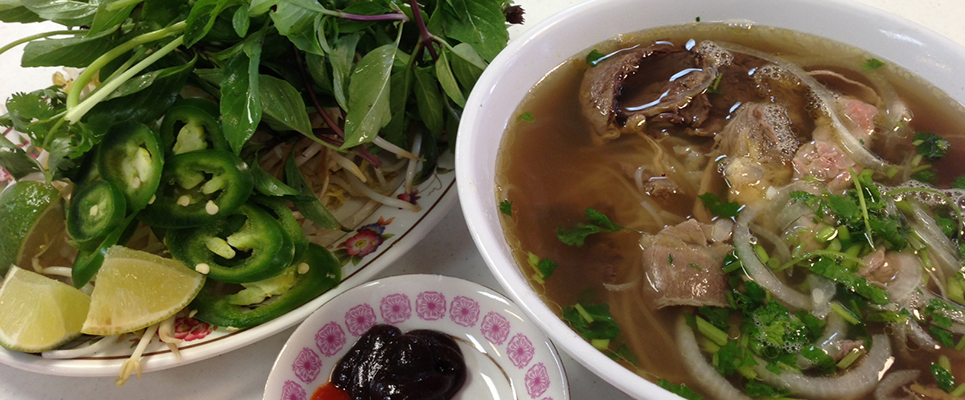
- Enjoy them with a bowl of beef pho for a sharp, crunchy counterpoint; learning to pho like a local can help you appreciate how fresh garnishes and condiments shape each bite.
At Pho Hong in Austin, Vietnamese dishes are available for dine-in and designated delivery hours, making the same sweet-tangy balance easy to enjoy when you are not cooking. At home, keep a small jar ready so a simple bowl of noodles or leftover rice can become a more complete meal.
Make your first batch with the classic vinegar, water, sugar, and salt ratio, then refrigerate it until the vegetables are crisp-tender. Add the pickles to your next Vietnamese-inspired meal and keep the jar on hand for quick lunches throughout the week.