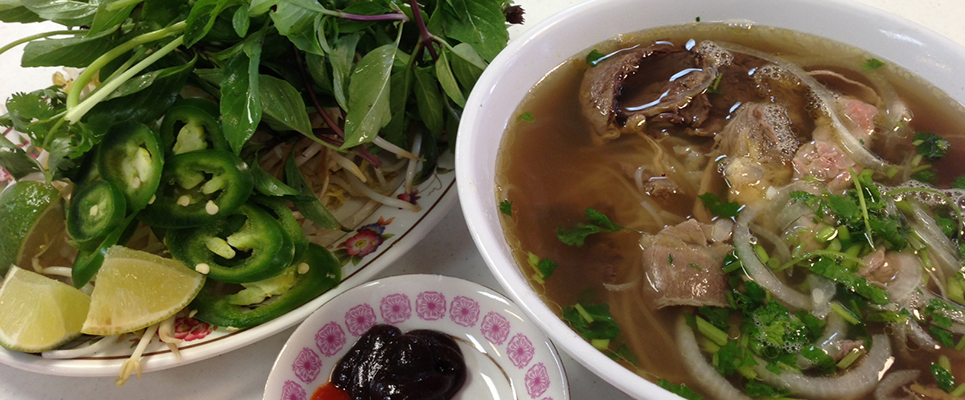
How to Reheat a Vermicelli Bowl by Steaming the Noodles
A vermicelli bowl is best enjoyed when the rice noodles are soft, springy and separate, with the fresh herbs and vegetables still bright. If your takeaway has spent the night in the fridge, steaming is a gentle way to restore moisture without turning the noodles rubbery or leaving them stuck to the bottom of a pan.
This method works well for a Vietnamese takeaway bowl from Pho Hong, whether you are reheating lunch after a Sydney-style commute or reviving dinner on a cool Melbourne evening. Keep the noodles, meat, vegetables, garnishes and sauce as separate as possible so each part reaches the right texture and temperature.
Check the bowl before reheating
Move the vermicelli noodles into a heatproof bowl or shallow plate that fits inside a steamer basket. A ceramic bowl, stainless-steel dish or glass container labelled for heat is suitable. Avoid putting a takeaway container into the steamer unless its packaging clearly states that it is heat-safe.
If the noodles are clumped together, loosen them with clean chopsticks or a fork. Sprinkle over one or two teaspoons of water for a single serving, using a little more if the noodles feel dry. Rice vermicelli needs humidity rather than a bath of water, so do not soak it before steaming.
Check the refrigerated ingredients at the same time. Meat, prawns and cooked vegetables should have been chilled promptly and kept at 5°C or colder, in line with common Australian food-safety guidance. Discard the bowl if it has sat at room temperature for several hours, particularly during a hot Brisbane afternoon.
Set up a gentle steam
Add several centimetres of water to a saucepan, but keep the water level below the steamer basket. Bring it to a steady simmer rather than a violent boil. Excessively strong steam can make the noodles soggy around the edges while the centre remains cool.
Place the noodle-filled dish into the basket and cover it with a lid. Steam for about three to five minutes for one serving. Very cold or tightly packed noodles may need six minutes, while a smaller portion can be ready sooner. The goal is to warm them gradually and add back a little moisture.
Open the lid carefully, as escaping steam can burn fingers and wrists. Stir or lift the noodles once during reheating so the heat reaches the middle. If they still feel cool, cover them again for one-minute intervals rather than leaving them over steam for too long.
Keep the toppings in the right order
Fresh lettuce, cucumber, mint, Thai basil, coriander and bean sprouts should generally stay out of the steamer. They lose their crunch and colour quickly when exposed to heat. Set these toppings aside while the noodles warm, then return them just before serving.
Grilled pork, chicken, beef or tofu can be placed beside the noodles in the steamer if they need warming. Covering them loosely helps prevent drying. Prawns require particular care because they can become firm and chewy; warm them only until heated through.
Carrot, pickled vegetables and sliced capsicum are often pleasant at room temperature, while fried shallots and peanuts should be added after steaming. For a useful overview of the combinations available in Vietnamese takeaway, browse this Pho Hong menu tour before deciding which parts of your bowl should remain fresh.
Warm the meat safely
The noodles can feel hot while the centre of a piece of chicken or pork remains lukewarm. Cut larger pieces in half or spread them in a single layer so they warm evenly. If you use a food thermometer, reheated leftovers should reach 75°C in the centre.
For a bowl containing several components, steam the noodles for a few minutes first, then add the protein for the final two or three minutes. This prevents delicate vermicelli from becoming overcooked while the meat catches up. Stirring once helps distribute heat without breaking the noodles.
Do not repeatedly cool and reheat the same portion. Serve the amount you intend to eat, and keep any remaining food refrigerated promptly. This is especially important after a long day out in the Australian summer, when a takeaway container can warm quickly in a car or on a kitchen bench.
Finish with sauce and fresh garnish
Most vermicelli bowls are served with nước chấm, the sweet-sour fish sauce dressing that gives the noodles their savoury balance. Warm the sauce separately by leaving its sealed container in a cup of warm water for a few minutes, or allow it to come to room temperature. Do not boil it, as heat can intensify the fish sauce aroma.
Pour the dressing over the noodles only when you are ready to eat. Adding it during steaming can make the vermicelli heavy and wet. Toss gently with chopsticks, lifting from the bottom so the sauce reaches the noodles without crushing the herbs or vegetables.
Finish with coriander, mint, cucumber, lettuce, pickles, crushed peanuts and fried shallots. In Australia, fresh herbs and bean sprouts from a Vietnamese grocer can make a refrigerated bowl taste much closer to its original takeaway version, especially when local supermarket produce has been stored for several days.
Avoid common reheating mistakes
A microwave is convenient, but it often heats a vermicelli bowl unevenly and dries exposed noodles. If steaming is unavailable, cover the noodles with a damp paper towel and heat them in short bursts, stirring between each burst. Keep fresh salad, herbs and crunchy toppings separate until the end.
Do not pour a cup of water over the noodles, leave the lid uncovered, or steam the entire bowl with lettuce and sauce already mixed through. These shortcuts usually produce swollen noodles, watery dressing and limp garnish. A shallow dish, a small splash of water and a covered steamer give better control.
Delivery meals can also be affected by time, packaging and temperature before they reach the table, which is why these delivery meal tips are useful when judging texture after transport. With careful steaming, the noodles regain their softness while the crisp and aromatic elements remain distinct, giving leftovers a fresh, balanced finish.