How to Reheat Leftover Pho Without Ruining the Noodles
Pho is at its best when the broth is fragrant, the noodles are supple, and the toppings still have some freshness. Refrigeration changes that balance quickly: rice noodles continue absorbing liquid, herbs wilt, and thin slices of beef can become tough if reheated too aggressively.
The best approach is to treat each part of the bowl differently. Warm the broth thoroughly, refresh the noodles briefly, and add meat and garnishes at the right moment. This preserves much of the texture and flavor you enjoyed at Pho Hong in Austin.
If your order arrived with broth, noodles, protein, and toppings packed separately, reheating is straightforward. If everything was stored together, you can still improve the result by using short heating intervals and adding a little fresh liquid.
Why Pho Noodles Become Soft In The Refrigerator
Rice noodles are highly absorbent. While pho sits in the refrigerator, the noodles draw in broth and become swollen, sticky, or fragile. Reheating the entire container for several minutes adds even more heat and moisture, often turning them into a dense mass.
The broth also develops a layer of fat as it chills. That is normal and helps protect its flavor. When warmed gently, the fat melts back into the liquid and restores the aromatic quality of the soup.
Food safety matters as well. Refrigerate leftovers within two hours of serving, and use a clean, covered container. Reheat only the portion you plan to eat, since repeated cooling and warming can damage both quality and safety.
Separate The Components Before Warming
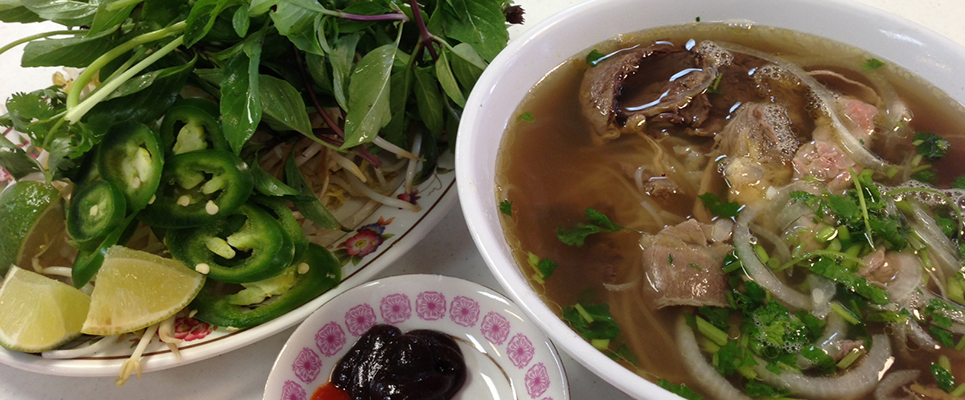
When the pho was packed in separate containers, place the noodles in a bowl or strainer and keep them away from the broth. Remove herbs, bean sprouts, lime, jalapeños, and sauces from the refrigerator so they can return closer to room temperature while the soup heats.
Warm the broth in a saucepan over medium heat until it is steaming throughout. Stir occasionally so the fat and seasonings blend evenly. Avoid a prolonged, vigorous boil, especially when the container includes cooked beef, because excessive heat can make the meat dry and chewy.
Fresh garnishes are important for contrast. Pho Hong’s family pho recipe reflects how broth, noodles, protein, and aromatic toppings work together, so preserving those separate textures at home gives leftovers a more satisfying result.
The Stovetop Method For Best Texture
The stovetop offers the most control. Bring a small pot of water to a gentle simmer, then dip the cold noodles into it for approximately 10 to 30 seconds. Separate them with chopsticks or a fork, watching closely because thin rice noodles soften very quickly.
Drain the noodles well and place them in a serving bowl. If they have already absorbed a lot of broth, a quick rinse with warm water can loosen them. Do not soak them for several minutes, as that strips away texture and leaves them limp.
Pour the hot broth over the refreshed noodles, then add sliced beef, chicken, meatballs, or other protein. The residual heat will warm the meat without cooking it repeatedly. Finish with herbs, sprouts, lime, and sliced chilies just before eating.
The Microwave Method For Busy Days
A microwave works well when you use separate heating steps. Put the broth in a microwave-safe bowl, cover it loosely to reduce splashing, and heat it in 45- to 60-second intervals. Stir between intervals until it is steaming hot from the center to the edges.
For noodles stored separately, place them in a second bowl with a tablespoon of water. Cover loosely and warm them for 20 to 30 seconds, then loosen them gently. This small amount of moisture prevents the noodles from drying while avoiding the long exposure that causes mushiness.
If the noodles and broth are already combined, use medium power and short intervals of 30 to 45 seconds. Stir carefully after each interval and stop as soon as the soup is hot. Add fresh herbs and crunchy toppings afterward rather than microwaving them.
| Storage situation | Best reheating method | Approximate heating approach | Main texture benefit |
|---|---|---|---|
| Broth and noodles stored separately | Stovetop | Steam broth; dip noodles briefly in hot water | Keeps noodles springy |
| Broth and noodles stored separately | Microwave | Heat broth in short intervals; warm noodles with a little water | Fast with reasonable control |
| Fully assembled bowl | Microwave | Use medium power and stir every 30–45 seconds | Limits additional softening |
| Frozen broth with fresh noodles | Stovetop | Thaw and heat broth gently; cook or refresh noodles separately | Preserves broth flavor |
| Meat stored in the broth | Stovetop | Heat until steaming, then serve promptly | Reduces overcooking |
Fixes For Common Leftover Pho Problems
If the noodles are clumped, place them in a strainer and rinse them briefly under warm water. Separate them gently rather than pulling hard, since softened noodles tear easily. Drain thoroughly before adding them to hot broth.
A broth that tastes diluted can often be improved with a small amount of fish sauce, salt, or warm water if it has become overly concentrated. Add seasoning gradually. Strong additions can overwhelm the delicate balance of star anise, cinnamon, onion, ginger, and other aromatics.
For tough beef, avoid extended reheating. Slice it more thinly if possible and let the hot broth warm it at serving time. Add basil, cilantro, bean sprouts, lime, and chilies only after the bowl is assembled so the toppings retain their color and crunch.
Build A Better Leftover Bowl
Good reheating depends on timing, but serving choices also make a noticeable difference. Use a warm bowl if possible, since it keeps the broth hot longer. Pour the broth over the noodles immediately after draining them, and eat soon after assembly.
Keep sweet drinks or smoothies separate from the hot soup so their flavors remain distinct. If you are pairing the meal with something cool and refreshing, Pho Hong’s smoothie selection offers an easy complement to a savory bowl without adding extra ingredients to the pho itself.
Use these habits whenever you store Vietnamese noodle soup:
- Refrigerate broth, noodles, protein, and garnishes separately whenever possible.
- Refresh rice noodles briefly instead of boiling them for several minutes.
- Heat broth until steaming, but avoid prolonged boiling.
- Add herbs, sprouts, lime, and chilies after reheating.
- Reheat only the portion you intend to serve.
With careful separation and gentle heat, leftover pho can remain aromatic, balanced, and enjoyable the next day. Visit Pho Hong at 2521 Rutland Drive in Austin for beef pho, vermicelli bowls, rice plates, stir-fried noodles, appetizers, drinks, and smoothies, or check the restaurant’s current hours and delivery availability before placing your next order.