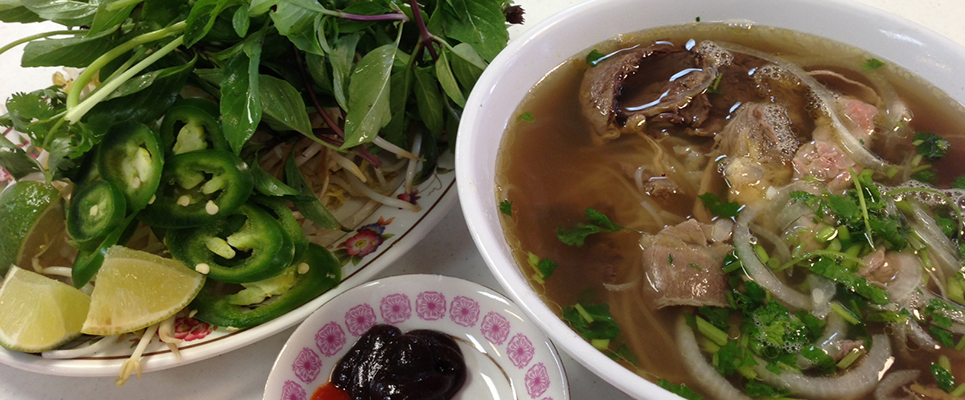
Seasoning your broth at the table the right way
A steaming bowl of pho is rarely finished as it arrives. Across Vietnamese kitchens from Cabramatta to Footscray, diners build flavour in real time, treating the broth as a starting point rather than a finished product. Knowing how to season your broth with additional condiments at the table transforms a good meal into a great one, and it costs nothing extra. Pho Hong's menu gives you a clean, well-balanced base to work with, so the question becomes what to add and when.
Most first-timers reach for sriracha the second the bowl lands, which usually overwhelms the slow-simmered beef flavours underneath. A smarter approach treats each condiment like an instrument in a band. Layering them carefully keeps the broth aromatic and balanced, especially when the weather in Brisbane or Hobart turns cool and a bowl of noodles feels like the obvious choice.
Understanding the base before you reach for anything
A traditional beef pho broth is built on charred onion, ginger, star anise, cinnamon and cloves, simmered for hours until it turns cloudy and rich. At Pho Hong, that base leans toward the Austin house style: clear, fragrant, slightly sweet from rock sugar and loaded with marrow. Once you pour the scalding broth over your rice noodles and sliced beef, the proteins begin to cook gently in the bowl, which means the seasoning you add will be diluted by their juices.
That is why most Australian pho regulars taste a spoonful before adding anything. If the broth already sings with star anise and beefiness, your job is to nudge, not rewrite. Hold back, sip again, and only then decide what the bowl actually needs.
The condiment toolkit on every pho table
| Condiment | Flavour profile | When to add | Intensity |
|---|---|---|---|
| Sriracha | Sweet chilli heat | After tasting, sparingly | Medium |
| Sambal oelek | Sharp, garlicky chilli | If you want pure heat | High |
| Hoisin sauce | Sweet, salty, fermented | For dipping meat, not broth | Medium |
| Fish sauce | Salty, umami | Two to three drops only | High |
| Lime wedge | Bright acidity | Right at the end | Low |
| Bean sprouts | Fresh crunch | Just before eating | Neutral |
| Thai basil and coriander | Herbal lift | Just before eating | Neutral |
These condiments sit in front of you for a reason, but the order matters. Spoons of sauce dropped into the broth will change its character for the rest of the meal, while herbs and sprouts stirred on top keep each bite fresh.
Sriracha and sambal: two different kinds of heat
Sriracha carries sugar and garlic, which means it sweetens as it heats. A teaspoon will round out a broth that tastes too lean, the kind you sometimes find at suburban joints in Adelaide's Gouger Street strip where the seasoning can be conservative. Sambal, by contrast, is mostly chilli with vinegar and a touch of garlic, and it punches straight through the broth without adding sweetness.
If you grew up grabbing sriracha out of habit, try sambal next time. Vietnamese diners in Springvale and Richmond traditionally stir sambal into a small side dish with a splash of their broth, then spoon it back into the main bowl. That way the heat builds gradually and you never lose the anise underneath.
Hoisin sauce belongs on the meat, not the broth
Dropping hoisin straight into the broth is the quickest way to muddle a clean pho. The thick, fermented sweetness clings to the noodles and overwhelms the aromatics. Instead, pour a small pool of hoisin onto your plate or into a saucer, and use it as a dipping sauce for the brisket, rare beef slices, or meatballs.
Aussie diners used to dipping spring rolls in hoisin often fall into this trap. Keep hoisin on the side and your broth stays clear, which is exactly what Pho Hong aims for in every bowl served at 2521 Rutland Drive. If you want sweetness inside the broth, a single drop of hoisin stirred through a ladle of broth in a side bowl works better than dumping it straight in.
Fish sauce: the secret umami move
Fish sauce polarises newcomers because of its smell, but the trick is restraint. Two or three drops dispersed across the surface will deepen the savoury backbone of the broth without making it taste fishy. Vietnamese home cooks in Inala and Marrickville swear by this move when reheating leftover broth the next day, and it works just as well in a restaurant bowl.
If the broth tastes flat after your first few spoonfuls, fish sauce is usually the answer. If it tastes salty already, leave the bottle alone. Good broth is naturally seasoned, so your palate, not the sauce dish, should make the call.
Lime, sprouts and herbs: the finishing trio
These three belong at the very end of the meal, not the beginning. Squeeze the lime wedge in last so the acidity lifts the broth rather than cooking the herbs. Tear the Thai basil leaves by hand rather than chopping, which releases the essential oils without bruising the plant. Toss in a small handful of bean sprouts for crunch, but only what you can eat in one go, as they wilt fast in the hot liquid.
Australian summer arvos in Perth or Darwin make this combination especially appealing, because the cold broth from the fridge on a hot day takes well to a generous squeeze of lime. In winter, you'll want less lime and more herbs to keep the bowl warming.
Putting it all together
A reliable order for seasoning goes like this: taste first, then add fish sauce if the broth is flat, then sambal or sriracha for heat, then dip your meat in hoisin on the side. Finish with herbs, sprouts and a squeeze of lime just before your first proper bite. Skip a step and the bowl still works, but follow all five and you'll taste the difference.
If you're planning a meal at Pho Hong and want to try a few bowls in one sitting, peek at Pho Hong's coupon page to make the most of the visit. A vermicelli bowl followed by a steaming pho gives you room to compare two different seasoning approaches side by side, which is honestly the fastest way to learn what your palate actually prefers.