How To Store Leftover Rice Plates For Better Reheating
A Vietnamese rice plate can make an excellent next-day lunch when its components are chilled promptly and packed with care. Steamed rice, grilled meat, vegetables, fried egg and sauce all react differently to refrigeration, so placing everything in one tightly sealed container may produce soggy vegetables and dry protein.
The key is to control time, moisture and temperature. Divide a large serving into shallow portions, cool it quickly, refrigerate it safely and reheat only what you intend to eat. These steps help preserve flavour while reducing the food-safety risks associated with cooked rice.
This approach suits busy Australian routines, whether you are packing lunch for a Melbourne office, saving dinner after a warm evening in Brisbane or preparing meals for a family in Sydney. A rice plate stored correctly can be convenient without becoming bland, rubbery or watery.
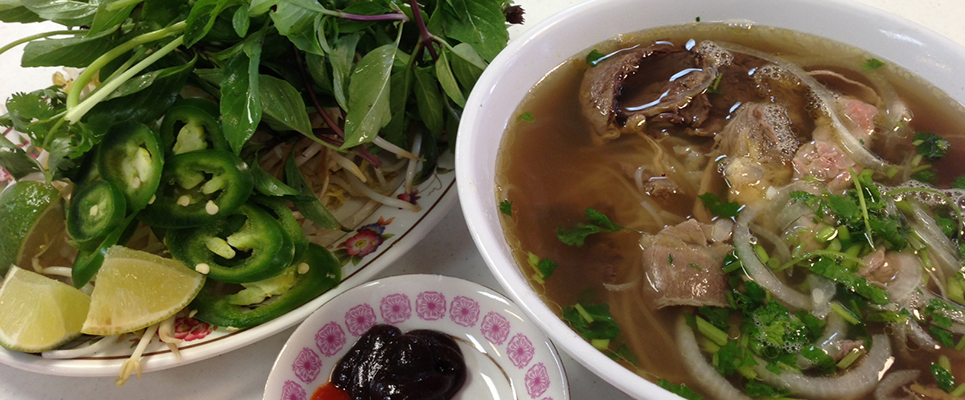
Pho Hong in Austin serves rice plates alongside pho, vermicelli bowls, stir-fried noodles, appetisers, drinks and smoothies. Its side dish guide can also help you think about which garnishes and accompaniments are best kept separate when storing a takeaway meal.
Cool Cooked Rice Quickly
Transfer leftovers from the restaurant container into a clean, shallow, airtight container as soon as you have finished eating. Separate the rice from meat, vegetables, fried items and sauces where possible. A broad container allows heat to escape more quickly than a deep tub.
Cooked rice can support the growth of Bacillus cereus if it remains warm for too long. In Australia, food-safety guidance commonly uses the two-hour/four-hour principle: food between 5°C and 60°C for less than two hours may generally be refrigerated, while food held in that range for four hours or more should be discarded. Time in this range is cumulative.
Do not leave a packed rice plate cooling on the kitchen bench through the evening. If the food is still steaming, let excess heat escape briefly, then refrigerate it rather than waiting for it to reach room temperature. Keep your refrigerator at 5°C or colder, as recommended under Australian food-safety standards.
Pack Each Component For Its Best Texture
Rice stores best with a small amount of moisture retained. Keep it in a sealed container, but avoid adding extra sauce before chilling. If the grains appear dry, a teaspoon of water added immediately before reheating will create steam and soften them.
Grilled beef, pork or chicken can sit beside the rice, although a separate compartment is preferable. Keep cucumber, lettuce, herbs and pickled vegetables apart because their moisture can make rice soggy. Fried shallots and other crunchy toppings should be stored in a small dry container and added after reheating.
Sauces deserve separate treatment. Fish sauce-based dressings, gravy and chilli sauces can intensify in flavour overnight, while fresh herbs lose their brightness in a sealed warm container. Refrigerate them in small sealed pots and bring out only the amount needed for one serving.
Choose The Right Reheating Method
| Component | Best method | Helpful adjustment | Result to expect |
|---|---|---|---|
| Steamed rice | Microwave, covered | Add a teaspoon of water | Soft and evenly heated |
| Grilled meat | Covered pan or microwave | Add a splash of water or stock | Less drying |
| Fried egg | Low-heat pan | Reheat briefly | Firmer white, softer yolk |
| Cooked vegetables | Microwave or pan | Heat for a short time | Better colour and bite |
| Fresh salad and herbs | No reheating | Add after cooking | Crisp and fresh |
| Sauce | Small saucepan or microwave | Stir once or twice | Even temperature |
For microwave reheating, spread the rice loosely rather than leaving it compressed in a block. Cover the container with a microwave-safe lid left slightly ajar, or use a damp paper towel. Heat in short intervals, stirring or turning the food so that cold spots do not remain.
A frying pan works well for meat and rice plates with a smoky or grilled flavour. Add a teaspoon of water, cover the pan and use medium-low heat. This creates gentle steam without scorching the rice. Reheat the fresh salad, herbs and crunchy toppings separately, after the hot food is ready.
Check Temperature Before Eating
Reheat leftovers until they are steaming hot throughout. A food thermometer should show at least 75°C in the centre, particularly for meat, egg and thick portions. Stir microwave-heated rice halfway through, then allow it to stand briefly so the heat can distribute evenly.
Avoid repeatedly warming and cooling the same serving. Take out one portion, reheat it fully and return the untouched food to the refrigerator immediately. Repeated temperature changes affect both safety and texture.
Australian homes can experience very different conditions across the year. A container left in a hot car in Perth or on a warm kitchen counter in Darwin can enter the unsafe temperature range quickly. Refrigerate takeaway food promptly, especially during summer, and use an insulated cooler with ice bricks if transport will take time.
A Practical Storage Checklist
Use a simple routine when bringing home a rice plate. Clean hands, clean containers and a cold refrigerator matter as much as the reheating technique.
- Transfer food to shallow containers within two hours
- Label the container with the storage date
- Keep sauces, herbs and crunchy toppings separate
- Store leftovers at 5°C or colder
For the best quality, eat refrigerated rice plates within one to two days. If you will not use the food soon, freeze the rice and cooked meat in portion-sized containers, leaving salad and herbs out. Thaw frozen portions in the refrigerator rather than on the bench.
- Freeze rice in flat, single-serve packs
- Thaw overnight in the refrigerator
- Reheat once until steaming hot
- Discard food with an unusual smell, appearance or texture
Freezing may change the texture of fresh vegetables and fried items, so those ingredients are usually better replaced with fresh accompaniments. Rice and grilled meat generally handle freezing more successfully when sealed tightly to prevent freezer burn.
Make Leftovers Part Of A Balanced Meal
A reheated rice plate can be refreshed with ingredients that are easy to find in Australian supermarkets and local grocers. Add fresh coriander, sliced cucumber, spring onion or a squeeze of lime after heating. These uncooked additions restore contrast without exposing the main meal to extra reheating.
Portion size is worth considering as well. A takeaway meal may be larger than a typical work lunch, so divide it before refrigerating. This gives you a faster, more even reheat and makes it easier to pair the rice plate with a simple side salad or seasonal vegetables.
For current menu categories, opening hours, delivery details and location information, visit the Pho Hong website. Whether you are storing a plate after dine-in service or saving part of a delivered meal, separating ingredients and managing temperature will give you the most satisfying second serving.