How To Store Homemade Chili Oil Safely At Home
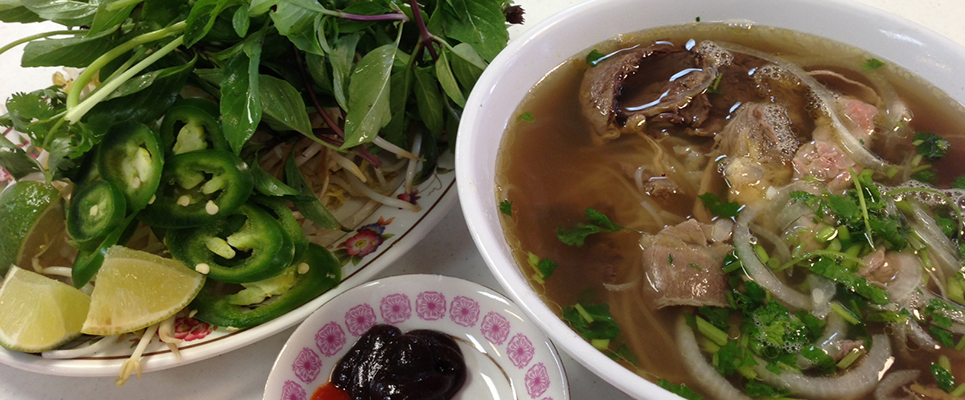
A jar of homemade chilli oil can add warmth, fragrance and crunch to pho, vermicelli bowls, rice plates and stir-fried noodles. Once you bring it home from Pho Hong in Austin, however, storage matters: oil creates a low-oxygen environment, and ingredients such as fresh garlic or onion can become unsafe if the jar is left on the bench. Learn more about Why Our House Smoked Brisket Tacos Sell Out Fast E7cd.
Australian kitchens also deal with warm weather, busy family fridges and long trips home from takeaway shops. The safest approach is to chill the oil promptly, use clean utensils and follow the storage information supplied with the product. When in doubt, treat an oil containing fresh ingredients more cautiously than a shelf-stable commercial condiment.
Choose The Right Storage Method
Use the ingredient list and any label instructions to decide how to handle the jar. The guidance below is a practical home reference, not a replacement for a dated label or validated commercial processing instructions.
| Chili oil type | Best storage | Sensible home-use window | Important point |
|---|---|---|---|
| Oil with fresh garlic, onion or herbs | Refrigerate at 5°C or colder | Use within 4 days | Never keep it at room temperature |
| Oil made with dried chilli and spices only | Refrigerate for best quality | Follow the label; use promptly | Cloudiness or solidifying can occur when chilled |
| Frozen small portions | Freezer-safe container or tray | Use for best flavour within a few months | Thaw only the portion needed |
| Opened takeaway jar | Refrigerate immediately | Follow the shortest label guidance | Discard if the seal, smell or appearance seems abnormal |
In Australia, Food Standards Australia New Zealand uses 5°C to 60°C as the temperature range in which many bacteria can grow quickly. The commonly used two-hour/four-hour principle is useful at home: food kept between those temperatures for less than two hours can usually be chilled again, two to four hours should be used immediately, and over four hours should be discarded. Time is cumulative, including transport from the restaurant.
Refrigerate Fresh Ingredients Promptly
Place the jar in the coldest practical part of the refrigerator, rather than in the door where temperatures fluctuate whenever the fridge opens. A refrigerator thermometer is helpful, particularly in Brisbane, Darwin or during a Melbourne summer heatwave. Do not rely on the oil looking or smelling normal; dangerous bacteria may not produce an obvious warning.
If the chilli oil contains fresh garlic, fresh shallots, spring onion or herbs, keep it covered and refrigerated from the moment it arrives. Garlic stored under oil can support the growth of Clostridium botulinum when conditions are warm and oxygen is limited. This is why a short refrigerated use period is safer than trying to mature the oil on a sunny kitchen shelf.
Write the opening date on a piece of masking tape. Use a clean, dry spoon each time, and avoid dipping a spoon that has touched noodles, meat or vegetables back into the jar. For a shared household meal, spoon the required amount into a small dish so the main container stays protected.
Keep The Jar Clean And Sealed
Transfer the oil only if the original container is damaged, leaking or unsuitable for refrigeration. A clean glass jar with a tight-fitting lid is usually practical, but it should be washed, rinsed and completely dried first. Water droplets introduce moisture, while food fragments can shorten the oil’s useful life.
Do not top up an older batch with fresh oil. Combining batches hides the older date and may carry contamination into the new portion. Keep the lid closed between uses, and wipe the rim before sealing it. If you are packing a lunch for work in Sydney or taking food to a weekend barbecue, carry the jar in an insulated bag with an ice brick rather than leaving it in a hot car.
A refrigerated oil may become cloudy or develop pale solid patches. That can be a normal effect of cooling, especially with some cooking oils. Warm only the serving you need by leaving it briefly at room temperature or placing the closed container in lukewarm water; do not repeatedly heat and cool the whole jar.
Serve It Safely With Everyday Meals
Chilli oil works well as a finishing condiment rather than a cooking oil stored beside the stove. Add a little to pho just before eating, drizzle it over rice plates, or mix it through a vermicelli bowl. It can also accompany fried spring rolls; the careful dipping technique in our spring roll guide helps keep extra sauce and crumbs out of the main container.
For a family table, use a small serving bowl and return the main jar to the refrigerator as soon as possible. Do not leave it beside a sunny window, barbecue or steaming pot. In Australia, outdoor meals often stretch for several hours, so replace the serving portion if it has sat warm for an extended period rather than pouring it back into the jar.
The oil can also bring a gentle smoky heat to grilled meats and vegetables. If you enjoy bold combinations, it pairs naturally with smoky barbecue flavours such as the house-smoked brisket tacos, though the condiment should still be served from a clean dish and chilled again afterwards.
Check The Jar Before Using It
Discard the chili oil if it has an unpleasant or rancid smell, mould, bubbling, unexpected foam, a swollen lid, or a change that seems unusual for the recipe. Do not taste it to decide whether it is safe. When fresh garlic or herbs were present and the jar stayed unrefrigerated, discard it even if the appearance seems fine.
A sealed, unopened container can still require refrigeration if the label says so. “Homemade” does not automatically mean unsafe, but it does mean the exact acidity, water content and heat treatment may not have been measured for room-temperature storage. Follow Pho Hong’s instructions first, especially if the jar is supplied with a use-by date.
- Refrigerate fresh garlic or herb oil immediately
- Use clean, dry utensils every time
- Mark the opening date clearly
- Keep the container away from heat and sunlight
If you will not finish the oil within its recommended window, freeze small portions in a clean, freezer-safe container. Leave room for expansion, label each portion and thaw it in the refrigerator. Never refreeze a portion that has already been warmed and served.
- Freeze single-use portions rather than the whole jar
- Thaw only what you plan to eat
- Discard anything left warm for too long
- When uncertain, choose safety over saving the condiment