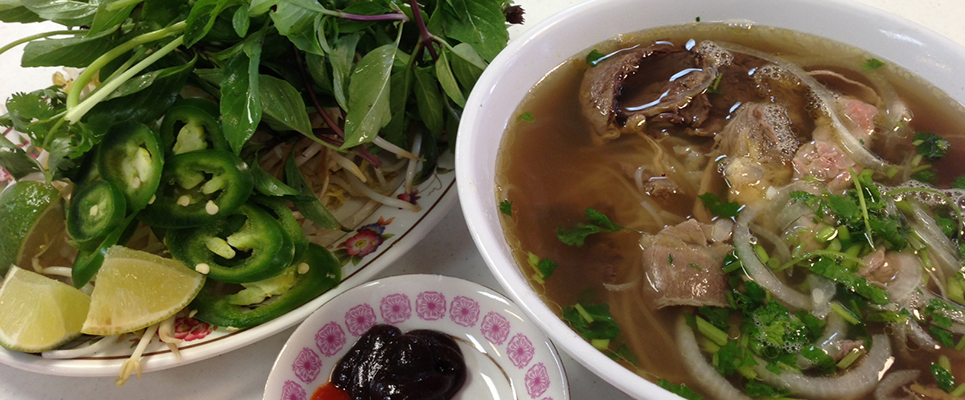
How to Know When Your Pho Broth Is Perfectly Seasoned
A good bowl of pho is rarely about shouting flavours. The broth sits quietly underneath everything, doing the heavy lifting while noodles, herbs, and protein do the talking. Anyone who has slurped their way through a wet arvo in Cabramatta, or queued up on a chilly Melbourne night at a Richmond pho house, knows that the difference between a forgettable bowl and a brilliant one is almost always what is happening in the pot.
Seasoning pho broth is one of those kitchen tasks that reads easy on paper but rewards patience in practice. Star anise, cinnamon, cloves, charred ginger, and rock sugar each bring their own voice, and the cook has to listen to the whole choir rather than any single singer. In Australian kitchens, where winters in Hobart can be bitter and summers in Brisbane never really cool down, the way you finish a broth can shift with the weather and the mood of the room.
This guide walks through the sensory checkpoints home cooks can use to know when their broth is ready. None of the steps require specialist gear, just attention and a willingness to taste as you go.
Reading the Broth's Color and Clarity
Before you even pick up a ladle, look at the pot. A well-developed pho broth should be a deep amber colour, leaning towards mahogany rather than pale yellow. If the liquid still looks watery and translucent, the bones have not given up enough of their minerals and the seasoning has nowhere to anchor itself.
Clarity matters too. You are not aiming for a consommé-style crystal-clear liquid, but you do want the broth to look settled rather than murky. Skim any grey foam that floats to the surface during the first hour of simmering, and resist the urge to stir the pot aggressively. A gentle nudge is all the bones need to release their flavour without clouding the liquid.
In Australian home kitchens, this is often where patience pays off. Woolworths and Coles both stock beef bones in the meat aisle, but a trip to a Vietnamese butcher in Inala or Sunshine will get you marrow-rich cuts that change the broth's colour within the first hour. The visual cues become obvious faster when the starting ingredients are right.
| Indicator | Under-seasoned | Just right | Over-seasoned |
|---|---|---|---|
| Colour | Pale yellow, watery | Deep amber, slightly translucent | Dark brown, cloudy |
| Aroma | Mostly beef, flat spices | Star anise balanced with cinnamon | Dusty, medicinal, sharp cloves |
| Salt taste | Flat, needs lift | Light coating, lingering warmth | Briny, tongue-prickling |
| Sweetness | Astringent, thin | Background hum, barely noticeable | Caramel-heavy, sugary |
| Mouthfeel | Watery, slides off | Light body, clings to noodles | Heavy, almost sticky |
The Aromatic Check Before the First Taste
Nose before mouth, always. Lift the lid slightly and let the steam curl up towards you. You should smell star anise first, but it should not be a solo act. Behind it there should be a warm, woody note of cinnamon, the sharper edge of cloves, and the slightly sweet smokiness of charred ginger and onion.
If the broth smells dusty or overly medicinal, the spices have dominated and the beef backbone has been pushed aside. If it smells meaty but flat, you probably need to add more aromatics or let them steep longer. The balance point is when the spice notes sit about a hand's width behind the beef fragrance, supporting rather than overpowering.
This is the moment many Australian home cooks second-guess themselves, especially when cooking for friends who grew up eating pho in Footscray or Bankstown. The honest answer is that there is no single correct ratio. Your nose, trained by the broths you grew up drinking, is the most accurate instrument on the bench.
The Slow Ladle and Spoon Test
Tasting pho broth is not a quick dip-and-decide exercise. Pour a small amount into a white spoon, blow gently to cool it, and let it sit on your palate for a few seconds. A properly seasoned broth will coat the spoon lightly and leave a residual warmth rather than a sharp salt hit.
The first checkpoint is salt. If the broth tastes flat, dissolve a teaspoon of fish sauce in a splash of the broth in a separate bowl, then return that mixture to the pot. Never add fish sauce directly to a full pot, because the intensity concentrates as the liquid reduces. Repeat in small increments until the broth tastes alive but not briny.
The second checkpoint is sweetness. Rock sugar is the traditional choice, though palm sugar works for a deeper caramel note. The sweetness should not be obvious on the tongue, but you should feel its absence if it is missing. A broth without this counterpoint will taste thin and one-dimensional, no matter how much fish sauce you pour in.
Balancing Aromatics and Adjusting for the Day
A broth that tastes perfect at 6am for a family brekkie may need a tweak by lunchtime. As the pot reduces, the salt concentration rises and the spice notes sharpen. Keep a kettle of just-boiled water on the stove so you can top up the pot without cooling it too quickly, and rebalance with another small splash of fish sauce only if needed.
Weather plays a surprising role in seasoning. On a 38-degree day in Adelaide, the same broth will taste saltier than on a 14-degree evening in Launceston, simply because hot liquids register flavour differently against the climate you are eating in. Adjusting for the room is part of the craft, and it is one of the reasons pho chefs taste their broth multiple times across a service.
If you find the broth has tilted too far in any direction, an extra knob of charred ginger can pull it back from being too sweet, while a brief simmer with a few extra cloves can deepen a broth that feels too thin. Trust the small fixes rather than dramatic rescues.
Serving and What to Pair Alongside
The final seasoning moment happens in the bowl, not the pot. A traditional pho bowl gets a final flourish of fresh herbs, a squeeze of lime, and a few slices of raw chilli for those who want heat. The broth itself should be quiet enough to let those additions shine.
For home cooks who want a full Vietnamese spread without spending the whole weekend in the kitchen, serving a noodle dish alongside something lighter works well. A plate of vermicelli with stir-fried toppings gives the table a contrasting texture and lets the broth stay the centrepiece. Guests can move between the two without one dish overpowering the other.
Pho broth rewards the cook who pays attention rather than the one who follows a clock. Once you learn to read the colour, smell the balance, and taste with patience, you will start to recognise that ready moment without needing a recipe to tell you it is there.