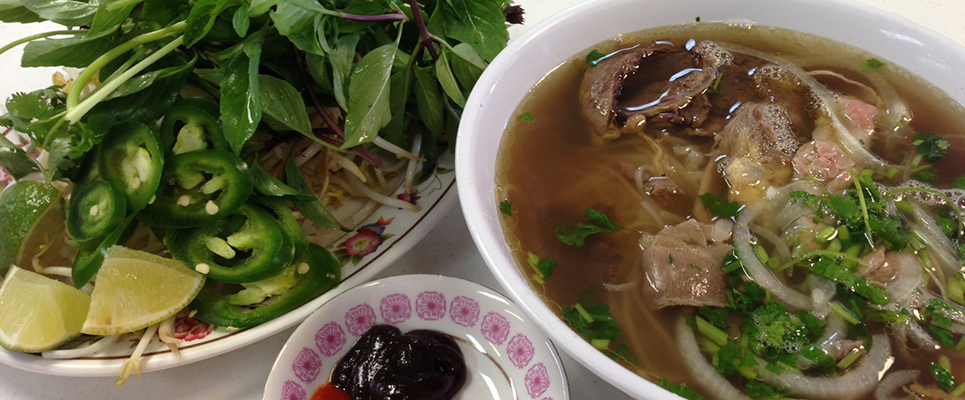
The sweet-salty craft behind our Vietnamese dipping sauces
A good Vietnamese dipping sauce should feel lively from the first taste. Sweetness rounds out sharp lime and chilli, while saltiness gives the sauce depth and helps herbs, garlic and fresh vegetables taste more vivid. The aim is a clean balance, rather than a sauce that tastes like sugar or fish sauce on its own.
At Pho Hong, this balance supports the whole meal, from rice paper rolls and crispy appetisers to vermicelli bowls and rice plates. Our restaurant story reflects the care we put into familiar Vietnamese flavours, served in Austin for dine-in guests and customers ordering during designated delivery hours.
Why the balance matters
Sweet and salty ingredients do different jobs. Fish sauce brings savoury umami and a distinctive fermented character, while sugar softens its intensity. Lime juice adds brightness, and water gives the flavours room to meet without becoming heavy. When the proportions are right, each element remains recognisable.
The balance also changes how a sauce works with food. A fried appetiser can handle a brighter, saltier dip because its crisp coating and oil need contrast. Fresh herbs, rice noodles and vegetables benefit from a slightly gentler sauce, where sweetness and acidity lift rather than overpower.
We taste the sauce after it has rested briefly, since the flavours settle as the sugar dissolves and the garlic releases its aroma. This small pause helps prevent overcorrecting with extra salt, lime or chilli.
Building flavour in layers
We usually begin with a liquid base, then add sweetness, acidity and aromatics in stages. Fish sauce or light soy sauce provides the savoury foundation; sugar supplies roundness; lime or rice vinegar creates a fresh edge. Garlic, chilli and sometimes grated carrot add fragrance, colour and texture.
The sweetener does not have to dominate. Granulated sugar dissolves quickly and gives a clean finish, while palm sugar offers a deeper, lightly caramelised note. Australian home cooks may find palm sugar at Asian grocers in Sydney, Melbourne or Brisbane, although regular caster sugar works well when that is what is available.
Saltiness should arrive gradually. Fish sauce brands vary in strength, and reduced-salt soy sauce can change the final result. We add small amounts, stir thoroughly and taste with a piece of the food being served, because a sauce can seem too strong by itself yet become balanced with noodles, lettuce or rice.
Matching the dip to each dish
For fresh rolls, a sweet-savoury sauce with lime and crushed peanuts gives soft rice paper, herbs and prawns a satisfying contrast. Chilli can be adjusted so that it adds warmth without masking mint, coriander or Thai basil. A thinner consistency makes it easier to drizzle or dip without tearing the roll.
Crispy appetisers call for a sauce with enough acidity to refresh the palate. Sweet chilli, lime, garlic and fish sauce create a familiar Vietnamese-style profile, while a thicker texture clings to fried wontons or spring rolls. With vermicelli bowls, we favour a lighter nước chấm-style dressing that spreads through noodles and vegetables instead of pooling at the bottom.
Rice plates and grilled meats can take a fuller sauce. The caramelised edges of beef or chicken pair well with a little extra lime and chilli, while pickled carrot and daikon contribute their own sweetness. The result remains balanced because the sauce works alongside the garnishes rather than competing with them.
Familiar flavours for Australian diners
Australian diners often know the sweet-sour contrast from Thai sweet chilli, soy-based marinades and the tartare or tomato sauce served with fish and chips. A useful comparison is the way fish and chips rely on a sharp condiment to cut through a crisp, rich coating. Vietnamese dipping sauces use the same principle, but add fish sauce, lime, herbs and fresh chilli for a more layered finish.
Climate and occasion matter as well. On a warm Brisbane afternoon or a summer evening in Perth, a lime-forward dip can feel especially refreshing. During a cooler Melbourne night, a richer sauce with garlic and a gentle sweetness pairs comfortably with hot noodles, grilled meat or a steaming bowl of pho.
Australian shoppers also encounter different levels of sweetness and saltiness across supermarket products. Reading the label on fish sauce, soy sauce and sweet chilli sauce is useful, particularly for households watching sodium or sugar. Starting with less seasoning and building upward gives better control than trying to rescue an overly intense mixture.
Practical checks before serving
A quiet meal gives the palate more space to notice the small differences between sauces. For guests planning their visit, Pho Hong shares quiet dining times, which can be helpful when you want to pay attention to the aroma of herbs, the texture of noodles and the finish of a dipping sauce.
Use these quick checks when preparing or tasting a sauce:
- Add sugar gradually until the saltiness feels rounded.
- Use lime for freshness, not as a substitute for every seasoning.
- Taste with the finished dish, not just from the spoon.
Then adjust according to the meal:
- Fresh rolls: keep the sauce bright, light and herb-friendly.
- Fried appetisers: add extra acidity for contrast.
- Vermicelli and rice plates: use a thinner, more pourable dressing.
| Dish or occasion | Sweetness | Saltiness | Best supporting flavours |
|---|---|---|---|
| Fresh rice paper rolls | Moderate | Light to moderate | Lime, herbs, crushed peanuts |
| Crispy appetisers | Moderate to high | Moderate | Garlic, chilli, vinegar |
| Vermicelli bowls | Light to moderate | Moderate | Pickled vegetables, lime |
| Grilled meat with rice | Moderate | Moderate to full | Garlic, chilli, caramelised notes |
The best dipping sauce is flexible: bright enough for fresh vegetables, substantial enough for grilled meat and restrained enough to let the main dish remain at the centre.