The Art Of Shaking Beef: How To Make Bo Luc Lac
Bo luc lac is a Vietnamese beef dish built around contrast: tender, deeply browned cubes of beef, crisp vegetables, fragrant herbs, and a bright dipping sauce. Its name means “shaking beef,” referring to the quick tossing motion used to sear the meat in a hot pan or wok.
The recipe looks simple, but small details determine the result. The beef must be cut evenly, the marinade needs balance, and the pan must be hot enough to brown the outside before the center overcooks. With the right preparation, this classic Vietnamese stir-fry becomes a fast, impressive meal for a weeknight dinner or a shared table.
What Makes Bo Luc Lac Distinct
Unlike a saucy beef stir-fry, shaking beef is defined by a concentrated sear. The marinade clings lightly to each cube, creating a savory glaze rather than a pool of sauce. Garlic, black pepper, fish sauce, and a little sweetness give the beef its signature Vietnamese flavor.
The dish is usually served with watercress, sliced tomatoes, cucumber, or lettuce. These fresh ingredients temper the richness of the beef and add crunch. Steamed jasmine rice is a natural partner, while a small bowl of lime and black pepper dipping sauce sharpens every bite.
Choose And Prepare The Beef
Tender cuts are ideal because the beef cooks quickly. Sirloin, tenderloin, rib-eye, or strip steak can all work well. Trim away thick sections of connective tissue, then cut the meat into cubes about one inch wide. Uniform pieces cook at the same rate and are easier to shake in the pan.
Before marinating, pat the beef completely dry with paper towels. Excess moisture turns into steam and prevents browning. Let the cubes rest in the marinade for 20 to 30 minutes. Longer marination is not always better; the fish sauce and other salty ingredients can begin to affect the texture if left for hours.
| Beef Cut | Texture | Best Cooking Approach |
|---|---|---|
| Tenderloin | Very soft and lean | Brief sear over high heat |
| Sirloin | Tender with a beefy flavor | Hot wok or skillet |
| Rib-eye | Rich and juicy | Sear quickly; trim excess fat |
| Strip steak | Firm, flavorful bite | Cook in small batches |
Build A Balanced Marinade
For roughly one pound of beef, combine fish sauce, soy sauce, oyster sauce, minced garlic, sugar, cracked black pepper, and a small amount of neutral oil. The fish sauce supplies depth, soy sauce rounds out the saltiness, and oyster sauce contributes body and gentle sweetness. A few drops of sesame oil can add fragrance, though it should not dominate the dish.
Adjust the marinade according to the meal. Add extra pepper for a sharper flavor, a little sugar for stronger caramelization, or a splash of lime juice for brightness. Lime juice is often best reserved for the dipping sauce because too much acid in the marinade can soften the surface of the beef before it reaches the pan.
Master The Shaking Technique
Heat a wok or heavy skillet until it is very hot. Add a thin film of high-smoke-point oil, then place the beef in a single layer. If the pan is crowded, the temperature drops and the cubes simmer in their own juices. Cook in batches when necessary, leaving space between the pieces.
Allow the beef to sear undisturbed for about one minute before tossing. Once a brown crust develops, shake or flip the pan so the other sides meet the hot surface. The entire cooking time may be only three to five minutes, depending on the size of the cubes and the preferred doneness.
Transfer the beef to a plate as soon as it reaches medium-rare or medium. The residual heat will continue cooking it slightly. A few thin slices of onion can be added to the pan during the final moments, but avoid adding watery vegetables before the beef has browned.
Create The Fresh Accompaniments
A traditional presentation often places the beef over watercress with tomato wedges and cucumber slices around the edge. The vegetables do more than decorate the plate: their cool, crisp texture balances the hot, salty beef. Lettuce leaves can also be used to wrap individual pieces.
For the dipping sauce, stir together fresh lime juice, cracked black pepper, and a pinch of salt. Some cooks add a little fish sauce or sliced chili. Keep the sauce lively and acidic rather than overly salty, since the beef already carries plenty of seasoning.
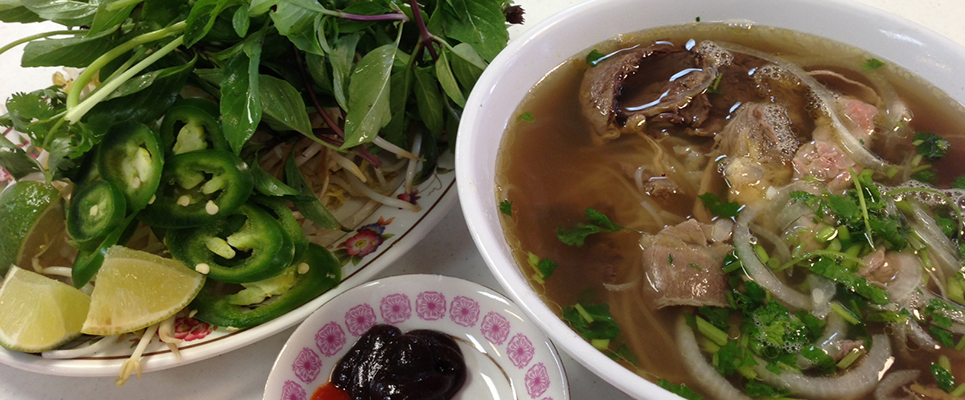
Vietnamese meals are often built from several complementary elements rather than a single heavy dish. If you enjoy preparing that style of meal at home, this guide to assembling beef pho offers another way to balance broth, noodles, herbs, and protein.
Avoid Common Cooking Mistakes
The most frequent problem is starting with damp beef. Even a well-seasoned marinade cannot compensate for poor browning. Drain the cubes briefly and pat them again if the marinade has collected heavily on the surface. A light coating is enough to carry flavor into the skillet.
Another mistake is moving the meat constantly. Shaking beef does not mean shaking it from the first second. Give each side time to sear, then toss with confidence. Overcooking is also easy because the cubes are small, so remove them promptly and let them rest while you finish the vegetables.
Practical Tips For A Better Sear
Use these simple checks before serving:
- Cut every beef cube to a similar size for even cooking.
- Preheat the wok or skillet until a drop of oil moves quickly across the surface.
- Cook in batches instead of crowding the pan.
- Taste the dipping sauce with a piece of beef before adjusting its salt, lime, or pepper.
- Serve immediately with hot rice and crisp vegetables.
Bo luc lac rewards attention to timing more than complicated equipment. Once the beef is dry, the pan is hot, and the ingredients are ready beside the stove, the dish comes together quickly. The goal is a browned exterior, a tender center, and enough fresh contrast to keep each bite lively.
For diners in Austin who enjoy Vietnamese comfort food, Pho Hong serves beef pho, vermicelli bowls, rice plates, stir-fried noodles, appetizers, drinks, and smoothies at 2521 Rutland Drive. Explore the Pho Hong menu for dine-in and designated delivery options, then bring the flavors of a Vietnamese table into your own kitchen with a properly seared pan of shaking beef.