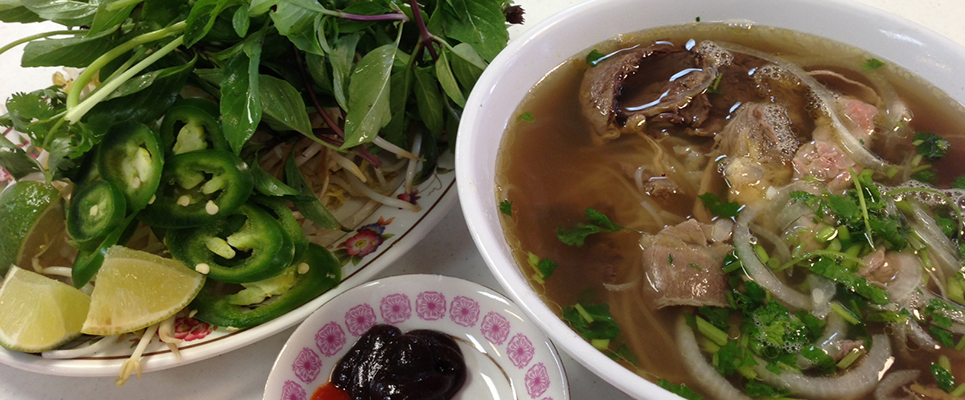
Choosing Beef Cuts For A Flavorful Pho Tai Bowl
Pho tai is the Vietnamese noodle soup style built around thinly sliced beef that cooks gently in hot broth. The meat should remain tender, release a little beefy flavor into the soup, and complement the rice noodles, herbs, onion, and aromatic stock rather than overpowering them.
The best cuts of beef for pho tai balance tenderness, flavor, and the ability to slice very thinly. At Pho Hong in Austin, diners can enjoy beef pho at 2521 Rutland Drive, along with vermicelli bowls, rice plates, stir-fried noodles, appetizers, drinks, and smoothies.
The cut is only part of the experience. Slice thickness, broth temperature, resting time, and the quality of the stock all influence whether rare beef pho tastes delicate or chewy. Understanding these details makes it easier to appreciate every bite.
Why Pho Tai Needs Thinly Sliced Beef
Pho tai is commonly served with raw or lightly chilled beef placed over rice noodles. Hot broth is poured into the bowl, allowing the meat to cook from rare to medium-rare or medium, depending on its thickness and the heat of the soup.
Because the beef cooks quickly in the bowl, thick slices can stay tough in the center while thin slices become tender almost immediately. A lean, clean-tasting cut is usually preferred because it lets the fragrant broth remain the dominant flavor.
The texture should be soft without falling apart. Properly sliced beef has a slight chew, but it should never require force to bite through. Cutting across the grain is essential because it shortens the muscle fibers and makes each slice easier to eat with chopsticks or a spoon.
Eye Round Delivers A Classic Rare Beef Texture
Eye of round is one of the most recognizable choices for pho tai. It is lean, relatively affordable, and easy to slice into uniform pieces after being chilled. When cut very thinly across the grain, it develops a pleasantly firm texture in hot broth.
This cut has a mild beef flavor, which makes it a natural match for star anise, cinnamon, charred onion, ginger, and fresh herbs. Since eye round contains little internal fat, it benefits from precise slicing and careful cooking. Leaving it in the broth too long can make it dry or rubbery.
For diners who enjoy a traditional rare beef pho presentation, eye round offers a balanced starting point. It also pairs well with lime, Thai basil, jalapeño, bean sprouts, and a small amount of chili sauce.
Sirloin And Tenderloin Offer Softer Bites
Sirloin is another strong choice for pho tai. It provides more beef flavor than very lean eye round and can have a softer texture when sliced thinly. Top sirloin is especially useful because it combines moderate tenderness with enough flavor to stand up to a richly seasoned broth.
Tenderloin is exceptionally soft, though it is usually more expensive and milder in flavor. Its delicate texture suits diners who prefer beef that almost melts after the broth passes over it. Since tenderloin is so lean and tender already, it does not need a long cooking time.
Both cuts should be trimmed of tough connective tissue before slicing. Chilling the meat firmly, but not freezing it solid, helps create thin, even pieces. Consistent slices cook at the same rate and give the bowl a more polished texture.
Comparing Popular Beef Cuts For Pho
Different cuts create noticeably different results in Vietnamese noodle soup. Lean cuts emphasize tenderness and clean flavor, while fattier or more muscular cuts contribute deeper beef character and a more substantial bite.
| Beef cut | Texture in hot broth | Flavor | Best suited for |
|---|---|---|---|
| Eye round | Firm and tender when sliced thin | Clean and mild | Classic pho tai |
| Top sirloin | Tender with a slight chew | Beefy and balanced | Richer rare beef bowls |
| Tenderloin | Very soft | Delicate | Extra-tender servings |
| Flank | Chewy and flavorful | Bold | Diners who enjoy a hearty bite |
| Brisket | Tender after long cooking | Deep and fatty | Fully cooked pho combinations |
| Ribeye | Soft with marbling | Rich and savory | More luxurious bowls |
Flank steak can work well when sliced extremely thinly across the grain, but it has a more pronounced chew than eye round or tenderloin. Brisket is generally better suited to fully cooked pho because it needs extended simmering to become tender.
Ribeye adds marbling and richness, though it can change the balance of a lighter bowl. The ideal choice depends on whether the goal is a delicate rare beef texture, a stronger beef flavor, or a combination of cooked and rare cuts.
Slicing And Cooking Make A Major Difference
Even an excellent cut can perform poorly if it is sliced with the grain. The muscle fibers should run across the slice rather than along it. A sharp knife and a partially chilled piece of beef make this process easier and help prevent ragged edges.
The broth must be genuinely hot when it reaches the bowl. Thin slices should begin changing color quickly, but diners can control the final doneness by stirring the meat through the noodles and broth. Those who prefer medium beef can leave the slices submerged longer.
Pho is also shaped by the stock beneath the toppings. Pho Hong describes how its broth simmers for 12 hours, a long cooking process that allows beef bones, spices, onions, and ginger to develop layered flavor. That depth gives delicate cuts such as eye round a flavorful setting without requiring heavy sauces.
How Pho Hong’s Menu Supports Different Preferences
At Pho Hong, beef pho is part of a broader Vietnamese menu that includes several noodle, rice, and appetizer options. This makes the restaurant suitable for groups with different preferences, including guests who want rare beef pho and others who favor cooked meats or non-pho dishes.
The Austin location at 2521 Rutland Drive offers dine-in service, with delivery available during designated hours. Since operating times and delivery availability can matter when ordering soup, checking the restaurant’s current information before visiting can help diners plan their meal.
A classic bowl can be enjoyed with the traditional garnishes, or customized with lime, herbs, bean sprouts, and sliced chili. These additions brighten the broth and help balance the richness of beef, especially when choosing sirloin, ribeye, or brisket alongside rare slices.
Tips For Ordering And Enjoying Pho Tai
A few simple choices can make the difference between a good bowl and a memorable one:
- Choose eye round for a traditional lean and tender rare beef texture.
- Select sirloin when you want a little more beef flavor and softness.
- Try tenderloin for an especially delicate bite.
- Add brisket or flank when you prefer more fully cooked, substantial meat.
- Stir the slices through the hot broth to control their doneness.
The right cut should match the diner’s preferred texture rather than follow a single rule. Eye round is a dependable classic, sirloin gives the bowl extra character, and tenderloin provides the softest experience. Cooked cuts such as brisket and flank bring contrast when ordered with rare beef.
Visit Pho Hong in Austin to explore beef pho and the restaurant’s other Vietnamese specialties. Stop by the Rutland Drive location for dine-in service or review the available delivery hours before placing an order for a comforting bowl of pho tai.