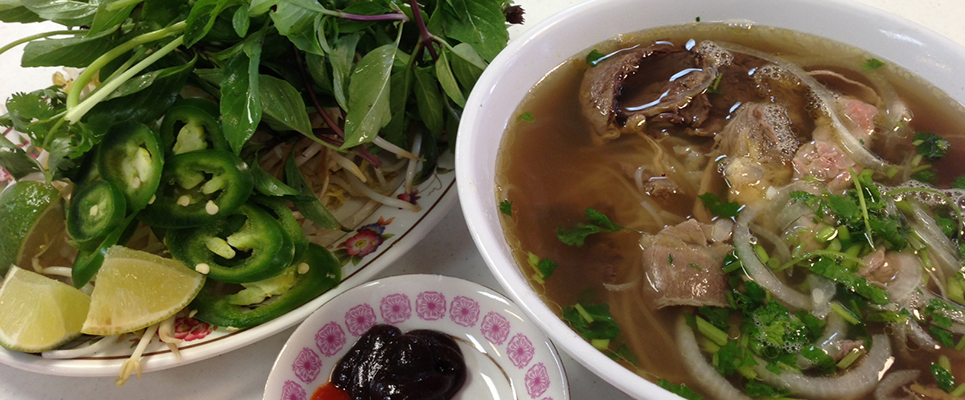
The best way to hold and use chopsticks for pho
Pho is built around balance: fragrant broth, tender noodles, herbs, sliced meat, and a few bright condiments in every spoonful. Chopsticks help you gather those ingredients, but using them comfortably takes more than simply pinching the sticks together.
The best way to hold and use chopsticks for pho is to keep one stick steady, move the other with your fingers, and use a spoon as a partner. This gives you control over slippery rice noodles without splashing broth or chasing ingredients around the bowl.
At Pho Hong in Austin, a bowl of beef pho is a relaxed meal, whether you dine in at 2521 Rutland Drive or order during designated delivery hours. A few simple techniques can make the experience neater, easier, and more enjoyable.
Find a relaxed grip
Hold the first chopstick like a pencil. Rest its lower end in the soft space between your thumb and index finger, then support the stick against the side of your ring finger. This chopstick should stay still throughout the meal.
Place the second chopstick above the first and hold it with your thumb, index finger, and middle finger. Your index and middle fingers should be able to lift and lower the upper stick while the lower one remains stationary. Keep your grip loose rather than squeezing hard.
The tips should meet evenly when you close the chopsticks. If one tip is higher than the other, adjust your fingers before picking up noodles. Even alignment gives you a better hold on bean sprouts, herbs, meat, and noodles.
Use the spoon and chopsticks together
Pho is easier to eat when each utensil has a clear job. Use chopsticks to lift noodles and solid ingredients, while the soup spoon catches the bundle and holds broth underneath. This combination provides stability and keeps long noodles from swinging back into the bowl.
Start with a small portion. Gather several strands near the surface, pinch them gently, and lift them only a short distance. Place the noodles onto the spoon, add a slice of beef or a little cilantro, and bring the spoon to your mouth. Smaller bites are easier to control than a large tangle.
A spoon also helps with ingredients that are difficult to grip alone. Noodles can be slippery, and thin slices of meat may fold over as you lift them. Let the spoon support the food rather than forcing the chopsticks to carry everything.
Pick up noodles without splashing
Before lifting, separate a few noodles from the rest with the chopstick tips. Avoid stirring the whole bowl aggressively, since a quick movement can disturb the broth and send droplets onto the table or your clothing. Slow, deliberate motions work best.
Lift noodles vertically at first, then guide them toward the spoon. If the strands are too long, lower them back into the bowl and divide the portion. It is perfectly acceptable to take two or three smaller bites instead of trying to manage one oversized mouthful.
| Action | Helpful technique | Common mistake |
|---|---|---|
| Holding the sticks | Keep the lower stick fixed | Moving both sticks at once |
| Gathering noodles | Pinch a small bundle | Grabbing too many strands |
| Supporting a bite | Place noodles over the spoon | Carrying noodles unsupported |
| Eating neatly | Lift only a short distance | Raising food high above the bowl |
| Handling herbs | Use the tips to collect a little | Pushing ingredients forcefully |
Handle herbs, meat, and toppings
Fresh basil, cilantro, jalapeño slices, bean sprouts, and lime can be added gradually. Use the chopstick tips to pick up a small amount and place it into the broth. This lets you adjust texture and flavor throughout the meal rather than adding every topping at once.
For beef pho, pick up thin slices by their thicker edge when possible. If a piece is too soft or broad to grip, slide it onto the spoon with the chopsticks. The spoon is especially useful for brisket, tendon, meatballs, or other pieces that do not sit securely between the tips.
Condiments deserve the same measured approach. Add hoisin sauce or chili sauce in small amounts, taste the broth, and then adjust. Stirring gently with chopsticks can distribute toppings, but a spoon is usually better for mixing sauces without splashing.
Avoid common chopstick mistakes
Many difficulties come from using too much force. A tight grip makes the tips tremble and can crush soft noodles. Relax your hand, keep your wrist fairly still, and move from the fingers. If your hand becomes tired, pause and switch to the spoon for a few bites.
Never use chopsticks to stab food, wave them while talking, or leave them standing upright in the bowl. Rest them across the edge of the bowl or on a chopstick holder when you need a break. These habits keep the meal tidy and show consideration in a shared dining setting.
A few practical habits make a noticeable difference:
- Keep your bowl on the table instead of lifting it while handling noodles.
- Wipe excess broth from the underside of the spoon before bringing it up.
- Take modest portions so the noodles stay easy to control.
- Use the spoon for broth and the chopsticks for solid ingredients.
- Slow down when adding herbs, sauces, or chili.
Practice before your next bowl
You can build confidence at home with dry noodles, cooked vegetables, or pieces of fruit. Practice holding one item at a time, then move to softer foods that require a gentler grip. Focus on consistent tip alignment rather than speed.
When you are ready for a full bowl, choose a pace that lets you notice the broth, noodles, and toppings separately. Pho is often enjoyed gradually, and the ideal time can depend on your schedule, appetite, and the atmosphere you prefer; this guide to the best time for pho offers another way to think about the experience.
Pho Hong serves Vietnamese favorites beyond beef pho, including vermicelli bowls, rice plates, stir-fried noodles, appetizers, drinks, and smoothies. Chopsticks are useful across the menu, but the same principle applies: use a light grip, take manageable bites, and let the spoon support anything slippery.
Enjoy pho with confidence
The technique becomes natural once you stop trying to lift too much at once. Anchor the lower chopstick, move the upper one with your fingers, gather a small bundle, and let the spoon catch the bite. With a little practice, noodles, herbs, and tender meat become much easier to manage.
For hours, delivery details, directions, or current restaurant information, visit contact Pho Hong. Then choose a convenient time to enjoy a fresh Vietnamese meal at Pho Hong in Austin, using your chopsticks at a comfortable pace from the first bite to the last.