Keeping Leftover Pho Broth Fresh and Safe
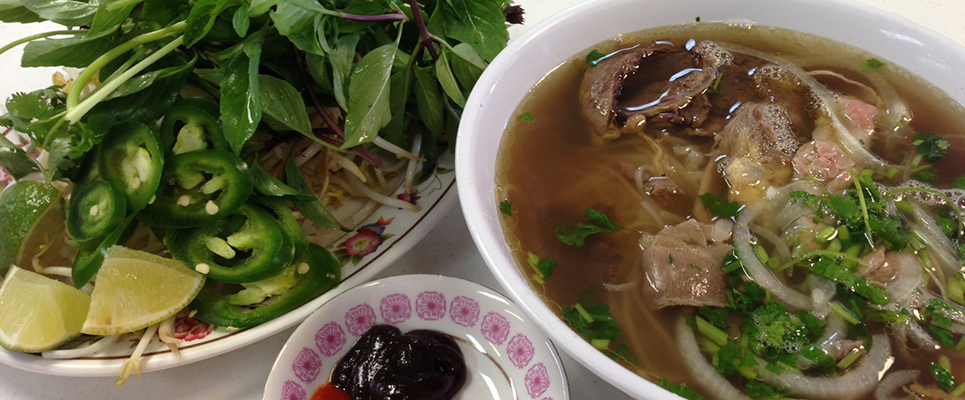
Pho broth is a generous but perishable leftover, especially once noodles, sliced beef and herbs have been added. A bowl from Pho Hong on Rutland Drive in Austin may be finished at the table, but broth carried home should be handled promptly. Keep the liquid separate from solids, cool it quickly and use a clean, leakproof food container.
Learning the best way to store leftover pho broth for later use is largely a matter of time and temperature. Australian lunchboxes, work-night meals and weekend batch cooking make leftovers convenient, yet warm weather and shared fridges can make careless storage common. The aim is to slow bacterial growth without sacrificing the deep flavour that makes pho worth saving.
Compare storage options
The safest storage route depends on when you plan to use the broth. Refrigeration suits the next few meals, while freezing gives you more flexibility. These time guides assume the broth has been cooled promptly and kept at the recommended temperature.
| Storage method | Best use | Conservative time guide | Key consideration |
|---|---|---|---|
| Refrigeration | Meals during the next few days | 3–4 days | Keep at or below 5°C |
| Freezing | Stock for later batches | 2–3 months for best quality | Cool first and leave room for expansion |
| Room temperature | Brief holding only | Use within 2 hours | Discard if exposed to the danger range for longer |
| Hot holding | Catering or restaurant service | Keep at 60°C or above | Not a method for storing leftovers |
Treat these as planning guides rather than guarantees. If broth has remained between roughly 5°C and 60°C for more than two hours, refrigeration will not reset the clock. When in doubt about how long it was exposed, discard it rather than relying on its smell.
Cool the broth quickly
A large stockpot cools unevenly, leaving the centre warm while the surface begins to chill. Divide broth into shallow, heat-safe containers no deeper than about five centimetres, or place the stockpot in an ice bath and stir it. Rapid cooling is particularly important after a large family dinner or an extended gathering.
Cover the containers loosely while they cool in the ice bath, then seal them for refrigeration. Ladling the broth into smaller portions is often more effective than placing one tightly covered pot in the fridge, where the centre can stay warm and raise the temperature of nearby food.
Begin cooling within two hours of serving. In Brisbane, Adelaide or Darwin, where an Australian summer can heat a kitchen quickly, start sooner. You do not need to wait until the broth reaches room temperature; the goal is to reduce it to a safe chilled temperature without leaving it exposed for hours.
Make refrigeration work
Store chilled broth at 5°C or below, or ideally around 4°C in a domestic fridge. Place the container towards the back rather than in the frequently opened door, label it with the date and move older portions to the front. Use a permanent marker or a labelled freezer bag so storage dates remain visible after stacking.
Keep broth separate from cooked noodles, meat and fresh herbs. Noodles continue absorbing liquid and become soft, while herbs lose their colour. Store the beef and noodles separately where practical, then rebuild each bowl with fresh herbs and lime when serving.
Use a dedicated food-grade tub rather than a takeaway beverage jug. If a Pho Hong order includes the Berera Aes smoothie, keep the drink in its own sealed cup; it should never share a storage vessel with broth. Shared fridges in Melbourne and Sydney apartments also call for clear labels and tight lids to prevent leaks and cross-contamination.
Freeze broth for batches
Freeze only broth that has been thoroughly chilled first. Transfer it to freezer-safe bags or containers, leaving two to three centimetres of headspace because liquid expands as it freezes. Flattening freezer bags before stacking them saves space in the often tightly packed freezers found in Australian homes.
Portion the broth according to how you cook. Meal-sized containers suit quick dinners, while larger jugs are useful for soups and noodle bowls. Ice-cube trays work for small amounts, provided each cube is transferred to a sealed container once solid. Write the preparation date on every portion and keep the freezer at -18°C or colder.
Thaw broth in the refrigerator rather than on the kitchen bench. Alternatively, heat it from frozen in a saucepan, adding a small splash of water if necessary. Frozen broth should be used within about two to three months for the best flavour, and it should not be returned to the freezer after sitting warm for an extended period.
Reheat and serve safely
Reheat only the amount you need. Warm it in a saucepan over medium-high heat, stirring occasionally and bringing it to a steady simmer. The steam should be visibly rising throughout the broth, and the centre should reach a uniform high temperature before it is poured over noodles and toppings.
Once reheated, serve promptly or return the unused portion to the fridge within two hours. Add fresh noodles, basil, coriander and sliced chilli after reheating, rather than storing everything together from the beginning. A squeeze of lime can also brighten broth that has become slightly muted after chilling or freezing.
Do not taste broth to decide whether it is safe. Odour and appearance cannot reliably reveal harmful bacteria, especially in a moist, nutrient-rich liquid such as soup. Discard broth that has been stored incorrectly, left warm for too long or kept beyond the recommended period.
Plan around Australian kitchens
Australian supermarkets such as Woolworths and Coles commonly stock rice noodles, fresh herbs and convenient pho kits, while specialist Asian groceries in suburbs such as Cabramatta, Richmond and Footscray provide ingredients for a full batch. Because leftovers often become work lunches or family dinners, smaller containers are more useful than one oversized pot.
Quick fridge routine
- Cool the broth in shallow containers and refrigerate it within two hours.
- Label each container with the date and use the oldest portion first.
- Keep broth separate from noodles, meat and herbs.
- Eat it within three to four days and reheat only the serving you need.
Freezer routine
- Chill the broth completely before portioning it.
- Leave headspace in each bag or container and write the date on the label.
- Freeze meal-sized portions at -18°C or colder.
- Thaw in the fridge or heat from frozen, using within two to three months.
Compact fridges and communal kitchens are common in Sydney and Melbourne, while the warmer climates of Brisbane, Adelaide and Darwin reward faster cooling. Food Standards Australia New Zealand sets cold-storage requirements for food businesses, with state and territory regulators applying the Food Standards Code. Home cooks gain greater protection by adopting the same 5°C maximum. Consistent handling also helps preserve family recipes; the value of continuity behind family-run restaurants is reflected in this family heritage checklist, and careful storage protects both quality and safety.