Pho Tai, Pho Chin, And Pho Nam Explained
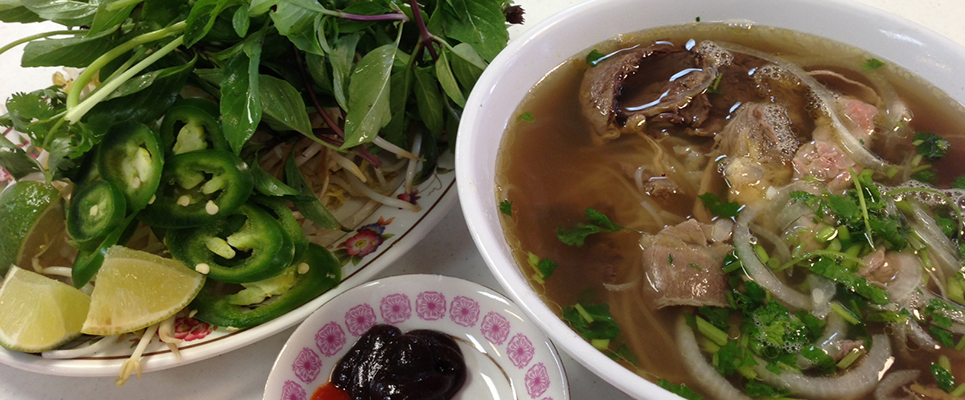
A bowl of pho can look simple: clear broth, rice noodles, herbs, onions, and beef. The character of the bowl changes significantly, however, depending on the cut of meat selected. The Vietnamese terms tái, chín, and nạm describe different preparations and textures, giving diners an easy way to choose a bowl that suits their preferences.
At Pho Hong in Austin, understanding these names can make ordering more comfortable, especially for first-time pho diners. The restaurant at 2521 Rutland Drive serves Vietnamese favorites throughout the week, with dine-in service and delivery during designated hours.
Understanding The Vietnamese Names
The word tái refers to beef that is rare or lightly cooked. Thin slices are generally added to the bowl just before serving, allowing the heat of the broth to cook the meat. This creates a tender texture and a fresh beef flavor.
Chín means well-done, while nạm commonly identifies a specific well-cooked beef cut, often translated as flank steak. These terms can appear separately or together on a menu, depending on how the restaurant names its combinations. Vietnamese pho terminology may vary slightly between restaurants, so the menu description remains the best guide.
Pho Tai: Thin-Sliced Rare Beef
Pho tái is recognized by its delicate slices of raw or rare beef. The pieces are usually cut very thin so that the steaming broth can cook them quickly. When served, the meat may range from pink in the center to nearly fully cooked, depending on the broth temperature and how long it rests in the bowl.
This preparation is a good choice for diners who enjoy tender beef and a softer bite. The meat absorbs the aromatic broth while retaining a clean, lightly savory flavor. Swirling the slices beneath the noodles helps cook them evenly.
Pho tái also gives diners a little control over the final texture. Leaving the beef near the surface preserves more of its rare quality, while allowing it to sit in the broth produces a more cooked result. Anyone with a preference for fully cooked meat should select chín or ask the restaurant about available options.
Pho Chin: Fully Cooked Beef
Pho chín uses beef that has already been cooked before it reaches the bowl. The slices are typically firmer than rare steak and have a deeper, more developed beef flavor. Because the meat does not rely on the broth to finish cooking, each bite has a consistent texture from the first spoonful to the last.
This style suits diners who prefer well-done beef or want a straightforward, hearty bowl. It is also a practical choice for people who do not enjoy the appearance or texture of rare meat. The cooked beef remains flavorful as it warms in the broth without needing additional preparation.
The word chín may describe the cooking level rather than one single cut. A menu can use it for well-done beef generally, while another may list separate cuts such as brisket, flank, tendon, or meatball. Reading the complete bowl description helps clarify what will be served.
Pho Nam: A Distinct Beef Cut
Pho nạm is generally associated with flank steak, a flavorful cut that is cooked until tender and sliced for serving. It often has a slightly denser, meatier bite than rare steak. Depending on the preparation, the cut may include a modest amount of connective tissue or marbling that contributes to its rich flavor.
Because Vietnamese beef terminology is not always translated consistently, nạm may be described on English menus as flank, brisket, or well-done beef. In many pho combinations, nạm appears alongside tái, creating a contrast between tender rare slices and more substantial cooked beef.
The difference is therefore both about the cut and the preparation. Pho tái emphasizes lightly cooked, delicate slices; pho nạm emphasizes a cooked, hearty cut. Pho chín is the broader well-done category and may include several cooked beef selections.
How The Bowls Compare
The broth, rice noodles, herbs, and aromatics remain central to every bowl, but the beef changes the eating experience. Rare steak blends quickly into the soup, well-done beef provides a dependable chew, and flank creates a fuller, more substantial bite.
Use the comparison below as a quick guide when deciding between these Vietnamese beef options:
| Vietnamese term | Common English description | Cooking style | Typical texture | Best for |
|---|---|---|---|---|
| Tái | Rare steak | Finished in hot broth | Tender and delicate | Diners who enjoy soft, lightly cooked beef |
| Chín | Well-done beef | Cooked before serving | Firm and consistent | Guests who prefer fully cooked meat |
| Nạm | Flank steak or cooked flank | Simmered or cooked through | Meaty and flavorful | Those who want a substantial beef bite |
| Tái nạm | Rare steak with flank | Two preparations in one bowl | Tender plus hearty | Diners who want contrasting textures |
Pho is often enjoyed with bean sprouts, Thai basil, lime, jalapeño, and sauces served on the side. Add these gradually so the broth’s balance and the flavor of the selected beef remain noticeable.
Choosing A Bowl At Pho Hong
Pho Hong offers beef pho alongside vermicelli bowls, rice plates, stir-fried noodles, appetizers, drinks, and smoothies. If you want soup with aromatic broth and beef, the tái, chín, and nạm distinctions are useful starting points. If you prefer a lighter noodle dish with fresh herbs and savory toppings, explore the restaurant’s vermicelli bowls instead.
When ordering for a group, choosing different beef preparations can make the meal more varied. One person may prefer the softness of rare steak, while another may favor the firm texture of well-done beef. A mixed selection can also help first-time diners discover which cut they enjoy most.
A Simple Way To Choose
- Choose pho tái for tender slices that cook in the steaming broth.
- Choose pho chín for fully cooked beef with a steady, firm texture.
- Choose pho nạm for a rich, meaty flank-style cut.
- Choose tái nạm when you want rare steak and cooked flank in the same bowl.
The best choice depends on texture, cooking preference, and how much beef flavor you want in each bite. At Pho Hong, the welcoming menu makes it easy to explore classic Vietnamese comfort food in Austin, whether you dine at the Rutland Drive location or order during delivery hours.
Visit Pho Hong at 2521 Rutland Drive to enjoy a bowl of pho prepared around your preferred beef style, or place an order for Vietnamese favorites during the restaurant’s designated delivery hours.