Why Charred Onion And Ginger Matter In Pho Broth
Pho broth is defined by clarity, fragrance, and a deep savory character that develops gradually. While beef bones, meat, spices, and fish sauce provide much of its body, two simple aromatics often shape its first impression: onion and ginger.
When these ingredients are exposed to high heat before simmering, their flavor changes dramatically. The surface darkens, their raw sharpness softens, and the broth gains a subtle roasted quality. This technique helps create the layered aroma associated with a carefully prepared bowl of Vietnamese noodle soup.
At Pho Hong in Austin, diners can explore beef pho alongside vermicelli bowls, rice plates, stir-fried noodles, appetizers, drinks, and smoothies. Understanding the role of roasted aromatics makes each bowl easier to appreciate, from its inviting scent to the lingering finish after every spoonful.
Why Aromatics Matter
Onion and ginger do more than add flavor to pho stock. They help establish the broth’s aromatic foundation, giving the liquid a recognizable fragrance before the palate detects salt, sweetness, or umami. Their volatile oils rise with the steam, which is why the scent of pho can be as memorable as its taste.
Fresh onion contributes sweetness, mild sulfur notes, and a rounded vegetable character. Ginger adds warmth, gentle pepperiness, and a clean, lively edge. Together, they prevent a rich beef broth from tasting heavy or flat.
The ingredients also support the spices traditionally associated with pho, such as star anise, cinnamon, cloves, coriander, and cardamom. Rather than competing with those seasonings, charred onion and ginger help connect their sweet, woody, and earthy notes.
How Charring Changes Flavor
Raw onion and ginger can taste sharp, grassy, or intensely pungent. A hot grill, skillet, broiler, or open flame transforms their outer layers through browning and light caramelization. The result is a more concentrated flavor with toasted, smoky, and subtly sweet tones.
The goal is usually a deep char on the surface, not a completely burned ingredient. The blackened skin may be removed or rinsed before the aromatics enter the stock, leaving behind a clean roasted character without excessive bitterness.
This preliminary roasting is part of what gives pho broth complexity without requiring a large number of ingredients. The difference can be especially noticeable in a clear broth: when there is little fat or thickener to conceal imperfections, every aromatic detail has room to show.
Building A Balanced Broth
Charred aromatics need time to release their flavor into the stock. They are commonly added during a long, gentle simmer with beef bones or other protein, allowing the onion’s sweetness and ginger’s warmth to spread through the liquid. A low simmer is important because aggressive boiling can cloud the broth and produce a harsher taste.
Timing still matters. If onion and ginger stay in the pot indefinitely, their flavors may become overly pronounced or muddy. Skilled broth preparation involves tasting throughout the cooking process and removing ingredients when the desired balance is reached.
Salt, fish sauce, and rock sugar then refine the broth rather than disguise it. The finished liquid should taste savory and aromatic, with a gentle sweetness and a clean ginger finish. No single component should dominate the spoonful.
Reading The Aromatic Profile
The effect of charring is easiest to understand by comparing the same ingredients at different stages. The table below shows how heat alters their contribution to pho stock.
| Aromatic stage | Onion character | Ginger character | Effect on broth |
|---|---|---|---|
| Raw | Sharp, sulfurous, vegetal | Bright, pungent, peppery | Fresh but potentially aggressive |
| Lightly toasted | Sweeter, softer, lightly roasted | Warm, fragrant, less piercing | Balanced and aromatic |
| Deeply charred | Smoky, caramelized, complex | Toasted, earthy, gently bitter | Bold, layered, and rustic |
| Over-burned | Bitter, ashy, acrid | Harsh, bitter, smoky | Distracting and unbalanced |
The ideal level depends on the cook’s method and the desired style. A lightly toasted aromatic profile can emphasize clarity, while a deeper char can make the broth feel more robust. In either case, the stock should retain a clean finish.
The same principle appears in other Vietnamese cooking techniques. Heat is used to create aroma before ingredients are combined, whether through roasted spices, grilled meats, or a searing wok. Pho’s charred aromatics are a quiet example of that larger culinary tradition.
From Stockpot To Bowl
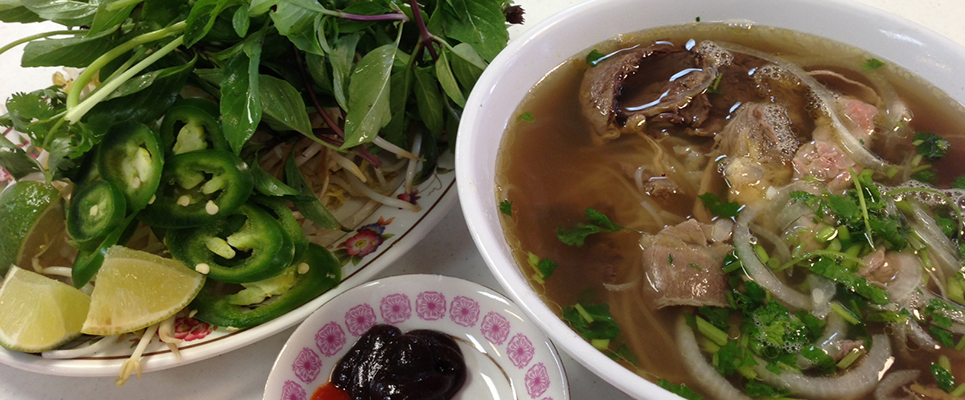
Once the broth is strained, its aromatic work continues through the eating experience. Hot liquid releases the fragrance of ginger, onion, and spices as it surrounds rice noodles and thinly sliced beef. Fresh garnishes such as herbs, bean sprouts, lime, and chilies then add contrast.
The clear broth acts as a carrier for texture and seasoning. Soft noodles absorb some of its savory flavor, while fresh herbs bring a cool, green counterpoint. Lime adds acidity that sharpens the broth’s sweetness and keeps the bowl feeling lively.
Pho is often eaten in alternating bites rather than as a uniform mixture. A spoonful of broth may highlight the roasted aromatics, while a bite with beef, noodles, and herbs reveals how those flavors support the entire bowl. This gradual shift is part of pho’s appeal.
Aromatics Across The Menu
The same appreciation for controlled heat can be found beyond soup. Stir-fried noodles depend on intense, fast cooking to develop fragrance and a lightly toasted flavor, a technique often described through wok hei. Although wok-charred noodles and pho broth use different methods, both show how heat can build depth without relying on heavy sauces.
At Pho Hong, beef pho can be enjoyed alongside vermicelli bowls, rice plates, appetizers, smoothies, and other menu categories. The restaurant’s menu tour provides useful context for seeing how brothy, grilled, stir-fried, and refreshing dishes fit together.
This variety also makes the aromatic profile of pho easier to compare. A crisp appetizer may highlight the broth’s warmth, while a fresh smoothie can provide a cooling contrast after a richly seasoned meal.
Practical Ways To Notice The Difference
A few habits can make the contribution of roasted onion and ginger more apparent when tasting pho or preparing stock at home.
- Smell the broth before adding lime, herbs, or chili so the roasted aromatics remain clear.
- Take a small sip of broth by itself, then taste it with noodles and beef.
- Notice whether the onion brings sweetness and whether ginger leaves a warm, clean finish.
- Compare a lightly roasted aromatic profile with a deeper char to identify the point where smokiness becomes bitterness.
- Use fresh garnishes gradually, since they can brighten or mask the underlying stock.
The best broth is balanced rather than loud. Charred onion should suggest sweetness and toast, while ginger should add lift and warmth. Together, they create a background that supports beef, noodles, spices, and garnishes without overwhelming them.
For a bowl built around these carefully layered flavors, visit Pho Hong at 2521 Rutland Drive in Austin. Check the restaurant’s current hours, dine-in availability, delivery schedule, and menu details online, then order a bowl of beef pho and taste how roasted aromatics shape every fragrant spoonful.