Why our shrimp chips puff up so quickly in hot oil
Shrimp chips, often called prawn crackers in Australia, look flat and ordinary before cooking. Drop one into properly heated oil, however, and it can expand within seconds into a light, crisp snack with a curled shape and a savoury seafood aroma.
That dramatic change comes from a carefully prepared mixture of starch, shrimp and moisture. The dried chip contains a compact structure that is ready to expand when heat turns its small amount of water into steam. The result is quick, airy and crunchy, provided the oil temperature and cooking time are right.
The starch creates the expansion
Most shrimp chips are made with tapioca starch, sometimes combined with other starches, plus ground shrimp or shrimp flavouring. During production, the mixture is cooked, pressed into thin sheets and dried. Cooking gelatinises the starch, allowing it to form a firm network that traps tiny pockets of moisture.
When the dried chip meets hot oil, that moisture heats rapidly. Water changes into steam and pushes against the starch network. Because the chip is thin and the oil transfers heat efficiently, the steam pressure builds almost immediately. The starch softens just enough for the trapped vapour to stretch the chip into a porous, expanded shape.
This is similar to the principle behind other puffed snacks, although shrimp chips are especially quick because they are thin and have a finely structured starch base. The chip does not need to cook through a dense centre before it can expand.
Heat turns moisture into steam
The oil needs to be hot enough to create fast expansion, usually around 170–190°C. At this temperature, the surface of the chip sets quickly while the moisture inside becomes steam. If the oil is too cool, the chip absorbs oil before it puffs, leaving it heavy, greasy or only partly expanded.
Oil that is excessively hot can brown the outside before the interior has time to open. It may also produce a bitter taste and uneven texture. A steady temperature matters more than simply turning the burner to its highest setting, particularly when cooking several pieces in a small pot.
For Australian home cooks, a thermometer is useful in a humid Brisbane kitchen or during a cooler Melbourne evening, when oil temperature can behave differently as ingredients are added. Always lower chips gently into the oil and leave plenty of room for them to expand.
Why the dried chip matters
The drying stage is essential. A properly dried chip contains just enough residual moisture to generate steam, while its starch structure remains rigid enough to hold that pressure. If it has absorbed moisture from the air, it may puff unevenly, curl too much or develop a chewy patch.
Storage therefore affects the final crunch. Keep uncooked shrimp chips sealed in an airtight container, away from steam, sunlight and strong pantry smells. This is particularly important in coastal Sydney or during a wet tropical season in Darwin, where humidity can soften dried snacks before they reach the frying pan.
The size and thickness of each piece also influence the result. Thin, evenly pressed chips usually expand faster and more consistently. A chip with a thicker edge may need a few extra seconds, while a broken piece can puff into an irregular but equally crisp shape.
Flavour begins before frying
Shrimp provides the familiar savoury note, while tapioca starch supplies the delicate crunch. Depending on the recipe, salt, garlic, sugar or other seasonings may be included. The balance is intentionally restrained so the fried snack can sit comfortably beside Vietnamese dishes such as pho, vermicelli bowls and rice plates.
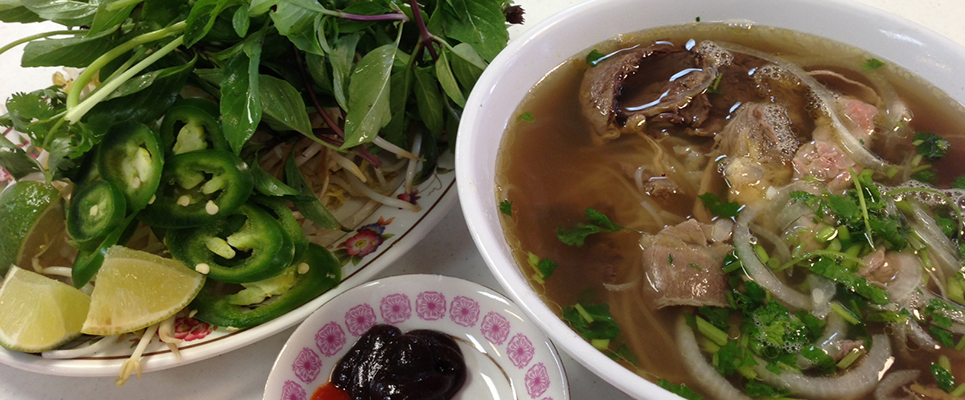
At Pho Hong, the appeal is in that contrast: a light, crisp bite alongside fresh herbs, aromatic broth or a cold drink. Australian diners may know the snack from Vietnamese restaurants in Adelaide, Perth or Canberra, while others may recognise it from the Asian grocery aisles of Melbourne’s Footscray or Sydney’s Cabramatta.
Ingredient sourcing also shapes the quality and character of a restaurant snack. Questions about responsible purchasing and the people involved are part of the wider food conversation, including fair supply chains, where fair treatment extends beyond the final kitchen.
The best way to keep the crunch
Shrimp chips are at their most enjoyable immediately after frying, when their expanded structure is still crisp and fragrant. Drain them briefly on a rack or absorbent paper, but avoid covering them while they are hot because trapped steam can soften the surface.
A neutral oil with a clean flavour works well. Peanut, canola or vegetable oil can all be suitable, provided they are fresh and heated carefully. Fry only a few chips at a time, because a crowded pot causes the oil temperature to drop and makes expansion less reliable.
| Cooking condition | Likely result |
|---|---|
| Hot, steady oil | Fast, even puffing and a crisp texture |
| Oil below the ideal heat | Slow expansion and a greasy finish |
| Oil that is too hot | Dark edges, uneven puffing and burnt flavour |
| Damp or poorly sealed chips | Chewy areas and inconsistent shape |
| Overcrowded pot | Temperature drop and patchy cooking |
For a restaurant-style experience without frying at home, dine in at Pho Hong or check the available delivery hours. If you are planning a meal around appetisers and drinks, the current coupon may provide useful value when an offer is available.
Simple habits for crisp shrimp chips
- Store uncooked chips in an airtight container in a cool, dry cupboard.
- Heat the oil fully before adding the first piece.
- Fry in small batches so the temperature remains stable.
- Use a slotted spoon to remove chips as soon as they finish expanding.
- Drain briefly without sealing them under a lid.
- Eat them soon after cooking for the lightest texture.
The rapid puff is therefore a small piece of food science: dried starch, controlled moisture and high heat working together in seconds. Once the structure has expanded, the airy crunch is ready to complement a Vietnamese meal, whether enjoyed at 2521 Rutland Drive in Austin or recreated in an Australian kitchen.