Why Vietnamese coffee tastes stronger than American coffee
Vietnamese coffee has a deeper, heavier character that can surprise people used to a standard American filter brew. Its strength comes from several details working together: the bean variety, roast profile, slow brewing method, serving size and familiar additions such as sweetened condensed milk.
For Australian coffee drinkers, the contrast can feel especially clear. Melbourne’s flat white culture, Sydney’s takeaway cups and the country’s growing specialty coffee market often favour smooth, milk-friendly arabica. Vietnamese coffee follows a different tradition, built around intensity, fragrance and a lingering finish.
The bean behind the bold flavour
Many traditional Vietnamese coffee blends use a high proportion of robusta beans. Robusta generally contains more caffeine than arabica and brings a firm, earthy flavour with toasted grain, dark chocolate and nutty notes. Arabica is often prized for delicate acidity and fruit-like aromas, while robusta delivers weight and punch.
The roast also affects the impression of strength. Vietnamese coffee is commonly roasted dark, sometimes with caramelised or buttery notes, so the cup tastes fuller and smokier. The result is similar to the way a rich ingredient can dominate a dish: the flavour has more depth and persistence. This guide to Italian olive oil explains a comparable idea in another food context, where origin and processing shape intensity as much as the ingredient itself.
The phin creates a concentrated cup
Vietnamese coffee is traditionally brewed through a phin, a small metal filter placed directly over the glass. Water passes slowly through finely ground coffee, giving the brew time to develop a dense body. It is a gentle process, but the small serving vessel means the final liquid is concentrated.
American coffee is often prepared in a drip machine and served in a larger mug. Even when the total caffeine is substantial, the drink can taste lighter because it contains more water. A Vietnamese phin brew may occupy a smaller glass, yet each sip carries a more powerful roasted flavour and a thicker texture.
Grind size, water temperature and the pressure of the filter insert all matter. A tightly packed basket slows the flow, while a looser bed produces a quicker, lighter drink. This gives Vietnamese coffee its recognisable drip-by-drip presentation and allows the drinker to watch the brew develop.
Sweetened condensed milk changes the experience
Cà phê sữa đá, Vietnamese iced coffee with condensed milk, combines a strong coffee concentrate with sweetness and dairy richness. The milk softens bitterness without removing the coffee’s roasted character. When poured over ice, the drink becomes refreshing, yet it remains bold enough to stand up to melting cubes.
Condensed milk also changes how strength is perceived. Sugar can make dark flavours seem rounder, while the creamy texture carries coffee aromas across the palate. The drink tastes intense, but it does not necessarily feel harsh.
A balanced serving can be adjusted in several simple ways:
- Use less condensed milk for a darker, more bitter cup
- Add extra ice for a lighter and longer drink
- Choose hot coffee when you want a fuller aroma
- Stir thoroughly before tasting
Why the comparison feels different in Australia
Australian cafés commonly serve espresso-based drinks, especially flat whites, long blacks and iced lattes. In Melbourne, coffee is often judged by milk texture and espresso balance; in Sydney, a takeaway coffee is part of a fast morning routine. Vietnamese coffee offers a different rhythm, with a slower pour and a more concentrated base.
The local market also has a strong specialty-coffee focus, with many roasters highlighting single-origin arabica, light roasts and clean acidity. That makes a dark robusta blend feel especially powerful by comparison. During hot Brisbane or Perth summers, an iced Vietnamese coffee can suit everyday Australian habits while delivering more roasted intensity than a typical iced latte.
Caffeine deserves attention as well. Australian food guidance commonly refers to a maximum of about 400 milligrams per day for healthy adults, with lower limits recommended during pregnancy. The exact amount in a Vietnamese coffee varies with the robusta ratio, dose and brew time, so a smaller glass is not automatically low in caffeine.
How to recognise real coffee strength
Taste and caffeine are related, but they are not identical. A dark roast may taste stronger even when its caffeine level is similar to a lighter roast. Bitterness, aroma, sweetness, body and aftertaste all influence the way the brain judges intensity.
When comparing Vietnamese and American-style coffee, focus on these features:
- Aroma: smoky, nutty or chocolate-like scents suggest a darker roast
- Body: a thick, coating texture indicates a concentrated brew
- Finish: lingering bitterness or roasted sweetness signals greater flavour impact
- Caffeine: the bean blend and serving size matter more than colour alone
A large American filter coffee may contain more total liquid and possibly more caffeine than a small Vietnamese serving. However, the Vietnamese cup usually tastes denser because the coffee-to-water ratio and brewing style place more flavour into each mouthful.
A stronger drink belongs with a full meal
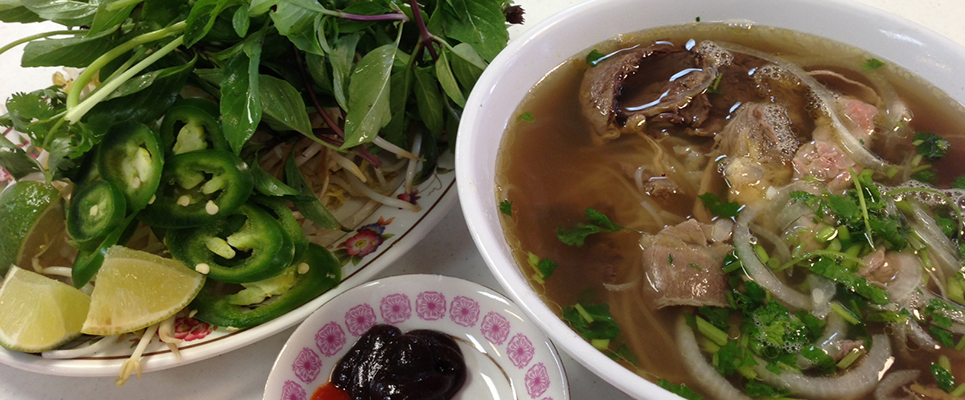
Vietnamese coffee works particularly well after savoury, aromatic food. Its roasted bitterness cuts through rich sauces, grilled meats and fried appetisers, while condensed milk adds a dessert-like finish. It can be enjoyed after beef pho, with a vermicelli bowl or alongside rice plates.
Lime is another useful contrast at the table. Bright acidity refreshes the palate after a rich bite, which is why lime with pho is such a familiar pairing. The same principle makes a strong coffee feel more balanced after a savoury meal: acidity and herbs clear the palate, leaving room for the drink’s roasted notes.
At Pho Hong in Austin, Texas, the menu brings together pho, stir-fried noodles, rice plates, appetisers, smoothies and Vietnamese coffee. Diners can explore the Pho Hong menu and choose between a complete meal and a concentrated drink served as a finishing touch.
For Australian visitors and coffee enthusiasts, the appeal is the contrast. Vietnamese coffee is stronger in flavour because robusta, dark roasting, slow phin brewing and condensed milk create a cup with exceptional body and staying power. It offers a different definition of strength from the smooth espresso drinks found in cafés across Australia.