Vietnamese Iced Tea And Thai Iced Tea Compared
Vietnamese iced tea and Thai iced tea may both arrive cold and refreshing, but they offer very different drinking experiences. Vietnamese iced tea is usually light, fragrant and tea-forward, while Thai iced tea is richer, sweeter and often creamy.
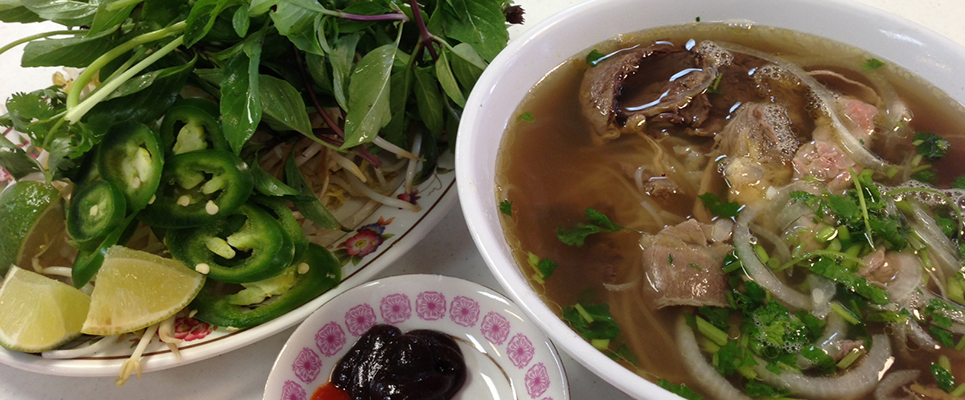
At Pho Hong in Austin, Vietnamese food is built around balance: aromatic broths, fresh herbs, savoury rice plates and bright vermicelli bowls. The iced tea served with that style of meal is intended to refresh the palate rather than become a dessert in a glass.
The Tea Base Creates The First Difference
Vietnamese iced tea, known as trà đá, is commonly made with green tea or another lightly oxidised tea. It may include jasmine or a subtle floral note, creating a pale golden or amber drink with a clean finish. It is often served unsweetened or only gently sweetened, with plenty of ice.
Thai iced tea generally begins with a strong black tea blend. Its deep flavour can include star anise, tamarind, cardamom or other spices, depending on the recipe. The tea is brewed boldly enough to remain noticeable after sugar and milk are added, giving the drink a more intense, rounded character.
This difference is similar to comparing a crisp palate cleanser with a spiced milk tea. Both are cold, but their purpose and structure are not the same.
Sweetness And Milk Change The Texture
Traditional Vietnamese iced tea is usually clear, without condensed milk or cream. That keeps the drink light enough to accompany a bowl of pho, where beef broth, herbs, onion and spices already create layers of flavour. A little sugar can soften the tea without masking its aroma.
Thai iced tea is recognised by its creamy sweetness. Sugar, sweetened condensed milk and evaporated milk are common additions, although recipes vary. The result is an orange-toned drink with a smooth, almost dessert-like body. Some restaurants use dairy-free substitutes, but the characteristic richness remains.
For Australian diners used to ordering flat whites, iced lattes and milk teas, this distinction is easy to understand. Vietnamese iced tea is closer to chilled brewed tea, while Thai iced tea sits nearer to a sweet iced milk drink.
Each Style Works With Different Vietnamese And Thai Flavours
A clean Vietnamese iced tea pairs naturally with salty, aromatic and herb-filled dishes. It can refresh the mouth after grilled meat, fried spring rolls or a rice plate with fish sauce. The gentle bitterness of tea is useful beside rich beef pho because it provides contrast without adding another heavy flavour.
Thai iced tea is better suited to dishes with chilli, coconut, lime and strong spice. Its sweetness can cool the sensation of heat in the same way that a sweet drink balances a fiery curry. That pairing is enjoyable, although the milk and sugar can compete with more delicate flavours.
Fresh vegetables create another useful contrast. A crisp Vietnamese cucumber salad brings acidity and crunch, while unsweetened iced tea keeps the meal tasting bright rather than overly rich.
Why The Difference Matters In Australia
In Melbourne or Sydney, where Vietnamese and Thai restaurants sit alongside modern cafés, customers often compare drinks by sweetness, texture and caffeine rather than by cuisine alone. Australian takeaway habits also encourage clear choices: some diners want a refreshing drink to carry with lunch, while others are looking for a sweet afternoon treat.
Brisbane’s warmer weather makes a tall glass of iced tea appealing throughout much of the year. Vietnamese iced tea suits customers who prefer a less sugary option with a noodle bowl or rice dish. Thai iced tea appeals to people who enjoy a creamy drink, especially when they are comfortable with a flavour profile similar to spiced milk tea.
The local market also includes lactose-free, vegan and reduced-sugar preferences. A dairy-based Thai iced tea may require a substitute or an ingredient check, while plain Vietnamese iced tea is generally simpler. Food businesses in Australia operate under food safety requirements aligned with Food Standards Australia New Zealand, and diners can ask staff about milk, sweeteners and other ingredients when dietary needs matter.
Choosing A Drink At Pho Hong
The best choice depends on the role you want the drink to play. Select Vietnamese iced tea when you want something cool, aromatic and restrained alongside pho, vermicelli or a savoury rice plate. It is especially suitable for a long lunch when a sweet, creamy drink would feel too filling.
Choose Thai iced tea when you want a richer beverage with visible sweetness and a creamy finish. It can stand in for dessert or provide a stronger contrast to spicy food. Neither style is objectively better; they simply express tea through different ingredients and traditions.
| Feature | Vietnamese Iced Tea | Thai Iced Tea |
|---|---|---|
| Usual tea base | Green tea or lightly oxidised tea | Strong black tea blend |
| Typical flavour | Fresh, floral, gently bitter | Spiced, sweet and robust |
| Milk | Usually none | Condensed or evaporated milk is common |
| Sweetness | Unsweetened or lightly sweetened | Usually distinctly sweet |
| Colour | Pale gold to amber | Deep orange to copper |
| Best with | Pho, vermicelli, rice plates and fresh herbs | Spicy, rich or strongly seasoned dishes |
| Overall feel | Refreshing and palate-cleansing | Creamy and dessert-like |
Pho Hong serves Vietnamese dishes seven days a week, with dine-in and delivery available during designated hours. If you are planning a meal around a drink and want to check current offers before ordering, the restaurant’s current coupon information may be useful.