Fresh ideas for leftover mint and Thai basil
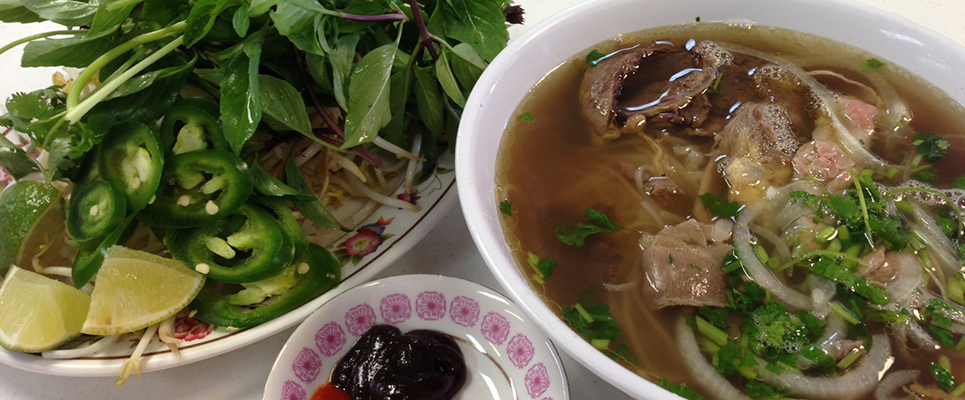
A Vietnamese meal often arrives with a generous handful of mint and Thai basil tucked beside the main dish. These fragrant herbs are meant to be added gradually, so it is common to have plenty left after finishing pho, a vermicelli bowl or rice plate.
Rather than letting the leaves wilt in the fridge, treat them as fresh ingredients for the next meal. Mint brings a cool, sweet lift, while Thai basil has a warmer aniseed flavour that stands up well to grilled meat, noodles, eggs and spicy sauces.
This is especially useful in Australia, where warm weather can make herbs deteriorate quickly. A few simple storage habits and easy recipes can turn leftovers from a takeaway order into several flavourful additions.
Keep the herbs fresh for longer
Remove any rubber bands or tight packaging as soon as you get home. Pick out yellow or bruised leaves, then wrap the herbs loosely in a barely damp paper towel. Place them in a reusable container or partially open bag in the refrigerator.
Thai basil can also be treated like a small bunch of flowers. Trim the stems and stand them in a glass with a little water, keeping the leaves above the waterline. Cover the top loosely with a bag and change the water every day or two. Mint usually prefers the damp-towel method.
Rinsing is best done just before use unless you can dry the leaves thoroughly. Excess moisture encourages decay, particularly in a warm Australian kitchen during summer in Brisbane, Perth or Darwin.
Turn them into fresh rice paper rolls
Fresh rolls are an ideal way to use a large quantity of mint and Thai basil because the leaves stay visible and retain their aroma. Pair them with rice vermicelli, lettuce, cucumber, carrot, tofu, shredded chicken or prawns. The herbs provide a lively contrast to the soft rice paper and mild filling.
If you are using prawns, this shrimp peeling guide can help with preparation. Dip each rice paper sheet briefly in warm water, layer herbs near the lower third, add the other fillings, then roll tightly while tucking in the sides.
Serve the rolls with a dipping sauce made from hoisin, peanut butter and warm water, or combine lime juice, fish sauce, sugar, chilli and minced garlic. Mint works particularly well with a sweet-sour sauce, while Thai basil suits prawns and richer peanut-based dips.
Use a simple herb storage plan
A small plan prevents the herbs from being forgotten behind jars and leftovers. Use the most delicate mint leaves first, then reserve firmer Thai basil stems and leaves for cooked dishes. Soft leaves are excellent in salads and rolls; slightly tired herbs can still flavour broth, sauces or stir-fries.
For longer storage, blend mint with olive oil and a pinch of salt, then freeze the mixture in ice-cube trays. Thai basil can be chopped with garlic, chilli and oil and frozen in small portions. These cubes can be dropped into noodle soups, fried rice or a pan of vegetables.
| Leftover herb | Quick use | Best flavour partners | Storage window |
|---|---|---|---|
| Mint | Cucumber salad or yoghurt sauce | Lime, chilli, cucumber | 3–5 days chilled |
| Thai basil | Stir-fried noodles or eggs | Garlic, soy, beef, chilli | 2–4 days chilled |
| Mixed herbs | Rice paper rolls | Prawn, tofu, carrot | Use within 2–3 days |
| Chopped herb cubes | Soup, fried rice or sauce | Ginger, garlic, stock | About 1 month frozen |
Add them to salads and grain bowls
Mint can brighten a salad built around cucumber, tomato, cabbage and rice noodles. Add roasted peanuts, lime juice and a little fish sauce for a Vietnamese-style dressing. Thai basil is stronger, so tear it into smaller pieces and combine it with grilled chicken, beef or mushrooms.
For a more substantial dinner, use the herbs with leftover roast meat and leafy greens. This roast beef salad offers a useful starting point for combining sliced beef, vegetables and a savoury dressing. Replace some of the greens with bean sprouts or vermicelli, then finish with mint and Thai basil.
This approach suits Australian shopping habits because the herbs can be paired with ingredients from a weekend farmers market or a regular supermarket shop. In Melbourne, seasonal tomatoes and cucumbers work well; in Sydney, grilled prawns or barbecued chicken make an easy warm-weather variation.
Fold them into eggs and toast
Chopped Thai basil adds character to scrambled eggs, omelettes and savoury muffins. Cook it briefly with garlic and spring onion, then fold it through the eggs just before they set. The flavour becomes rounder without losing its distinctive fragrance.
Mint is better added at the end. Stir it into avocado mash with lemon or lime, salt and cracked pepper, or scatter it over poached eggs on sourdough. A little chilli creates a fresh breakfast topping that feels lighter than a rich sauce.
For an Australian brunch, combine the herbs with feta, cherry tomatoes and grilled mushrooms. The result works as a filling for an omelette or as a topping for toast, giving an ordinary weekday breakfast a fresh, aromatic edge.
Make sauces, drinks and dressings
A mint dressing can be made by finely chopping the leaves with lime juice, olive oil, sugar and a pinch of salt. Spoon it over grilled lamb, chicken skewers or roasted vegetables. Thai basil can replace some of the mint, although its stronger flavour is best balanced with extra lime and a little sweetness.
You can also make a quick herb sauce by pounding Thai basil, garlic, chilli and fish sauce in a mortar. Loosen it with water and use it over noodles or steamed greens. For a milder version, mix chopped mint into plain yoghurt with cucumber and lemon.
Mint leaves are natural additions to iced water, sparkling water or a lime-based cooler. Thai basil can be muddled with pineapple, passionfruit or watermelon for a non-alcoholic drink. Keep the flavours clean and avoid crushing the herbs into a bitter paste.
Build a second meal from your order
When ordering Vietnamese food, think ahead about how the herbs can carry into another meal. Pho Hong in Austin serves beef pho, vermicelli bowls, rice plates, stir-fried noodles, appetisers, drinks and smoothies, with dine-in and delivery available during designated hours. Its Pho Hong menu makes it easier to choose a main dish that leaves useful components for later.
Leftover herbs can refresh plain rice, grilled proteins or noodles the following day. Add them just before serving rather than cooking them for a long time, so their colour and aroma remain bright. A small handful can transform leftovers into something that tastes deliberately prepared rather than simply reheated.
Use clean utensils when taking herbs from the original container, and discard leaves that become slimy, strongly discoloured or unpleasant-smelling. With sensible storage, a Vietnamese takeaway garnish can become rolls, salads, sauces, breakfasts and drinks across several meals.