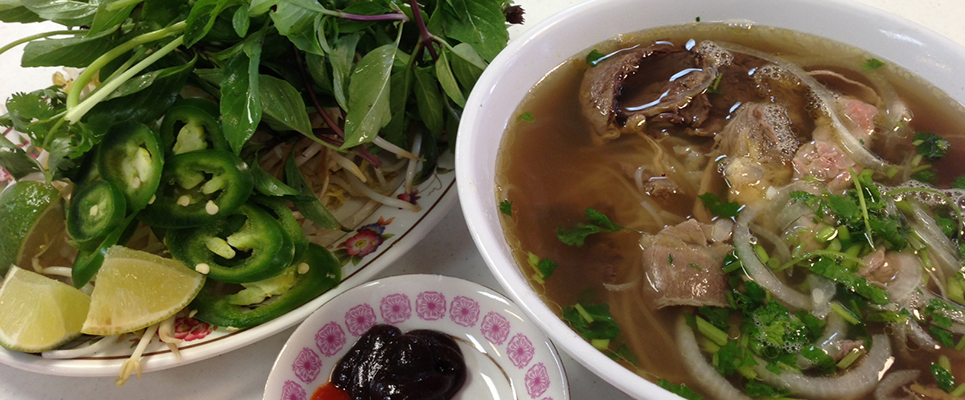
Gluten-Free Choices At Pho Hong In Austin
Eating gluten-free at a Vietnamese restaurant can be enjoyable when you know which ingredients need checking. Rice noodles, fresh herbs, vegetables and grilled meats often provide a useful starting point, while sauces, marinades and fried toppings require closer attention.
Pho Hong in Austin serves pho, vermicelli bowls, rice plates, stir-fried noodles, appetisers, drinks and smoothies. Many of these categories include naturally gluten-free building blocks, although the finished dish may contain wheat through stock ingredients, soy sauce, hoisin sauce, fried garnishes or shared cooking equipment.
For Australian diners, the distinction between “gluten-free” and “gluten-friendly” matters. Someone with coeliac disease needs stricter safeguards than a person avoiding wheat by preference, so it is sensible to explain your requirements clearly before ordering.
The restaurant is at 2521 Rutland Drive and offers dine-in service plus delivery during designated hours, seven days a week. Checking the current menu and contacting the restaurant before ordering is especially useful when you need information about sauces, preparation methods or possible cross-contact.
Start With Rice-Based Dishes
Rice is a common foundation for Vietnamese meals and is naturally free from gluten. Pho rice noodles, vermicelli noodles and steamed rice can therefore be good choices, provided the broth, seasoning and accompanying sauces are also suitable.
| Menu category | Potentially suitable base | Ingredients to check |
|---|---|---|
| Beef pho | Rice noodles and beef | Broth, meatballs, hoisin and soy sauce |
| Vermicelli bowls | Rice vermicelli, herbs and vegetables | Marinade, spring rolls and dressing |
| Rice plates | Steamed rice with meat or vegetables | Marinade, gravy and fried toppings |
| Stir-fried noodles | Rice noodles may be available | Soy sauce, oyster sauce and shared wok |
| Appetisers | Fresh vegetables or rice-paper items | Dipping sauce and fried components |
| Smoothies | Fruit, milk or yoghurt-based drinks | Add-ins, malt products and equipment |
The safest order is not automatically the simplest-looking one. A bowl of rice noodles may still be finished with a wheat-containing sauce, and a grilled protein may have been marinated before it reaches the kitchen.
Pho With Careful Garnish Choices
Beef pho can suit a gluten-free diet because its noodles are made from rice. The key questions concern the stock and toppings. Traditional pho broth can contain spices, beef and aromatics, but commercial seasoning products or sauces may introduce gluten.
Requesting the broth ingredients to be checked is important, particularly for coeliac diners. Hoisin sauce is a common accompaniment and may contain wheat, so it is safer to leave it off unless the restaurant confirms that the specific product is gluten-free. Soy sauce also needs verification because ordinary varieties usually contain wheat.
Bean sprouts, Thai basil, lime, chilli and fresh onion are generally the kind of toppings diners associate with pho. Still, ask for clean preparation if cross-contact is a concern. A clear explanation such as “I have coeliac disease and need no gluten” gives staff more useful information than simply saying “no bread”.
Vermicelli Bowls And Fresh Herbs
Vermicelli bowls are another promising choice because Vietnamese rice vermicelli is different from wheat-based noodles. The dish often combines noodles with lettuce, cucumber, herbs, pickled vegetables and a choice of meat, creating a lighter option suited to warm Australian weather in Brisbane, Perth or Sydney.
You can explore the restaurant’s vermicelli menu while checking which protein and dressing best match your dietary needs. The main concern is usually the preparation of the meat and the sauce served over the bowl. Marinades, fish sauce blends and prepared toppings vary by recipe and brand.
Ask whether the bowl can be served without fried spring rolls, crispy shallots or other crunchy garnishes unless their ingredients have been confirmed. The dipping or pouring sauce should be checked separately, as a gluten-free noodle base does not guarantee a gluten-free finished meal.
Rice Plates And Protein Options
Steamed rice plates may offer flexibility for diners who want grilled beef, chicken or another protein with vegetables. Ask whether the selected meat is marinated, and request details about any glaze, gravy or seasoning blend. Plain steamed rice with verified protein and vegetables is often easier to assess than a heavily sauced dish.
Australian diners are accustomed to checking allergen information under food labelling rules, but restaurant communication still matters. Packaged ingredients must meet Australian standards when sold in Australia, while an Austin restaurant follows United States requirements and may use different recipes and labelling practices.
That difference is relevant for visitors from Melbourne or Adelaide who are used to seeing clear allergen declarations on packaged foods. Restaurant staff may need to consult the kitchen rather than relying on a printed menu, so allow enough time for an accurate answer.
Stir-Fried Noodles And Hidden Wheat
Stir-fried noodles require more caution than plain rice noodles. Even when the noodles are rice-based, wok sauces commonly include soy sauce, oyster sauce or other seasoning products that may contain wheat. Some kitchens may also use the same wok for wheat noodles and gluten-free orders.
Ask whether a stir-fried dish can be prepared with rice noodles and a verified gluten-free sauce. If the kitchen cannot separate utensils or cooking surfaces, a plain rice plate or carefully checked vermicelli bowl may be a more suitable choice.
This is particularly important for people with coeliac disease, for whom a small amount of gluten can cause harm even when the food looks safe. Choosing a dish with fewer processed ingredients can reduce uncertainty, but it does not replace a conversation with the restaurant.
Appetisers, Drinks And Smoothies
Fresh appetisers may include vegetables, herbs or rice-paper components, but sauces and fried items need individual checks. Fried spring rolls often contain wheat pastry, and shared fryers can create a cross-contact issue even if the filling itself contains no gluten.
Drinks and smoothies are often easier to navigate. Fruit smoothies, iced drinks and simple beverages may be suitable, though it is worth asking about malt, biscuit pieces, powdered mixes or shared blenders. A smoothie made from fruit and confirmed ingredients is generally more straightforward than one with multiple add-ins.
Australian dining habits often include ordering several small dishes for the table, especially when sharing meals with family or friends. If one diner is avoiding gluten, keep their sauce, utensils and serving area separate from breaded or wheat-based foods.
Ordering For Dine-In Or Delivery
For dine-in service, speak with the person taking the order and repeat the gluten-free requirement when the meal arrives. Ask for sauces on the side where possible, and check that substitutions have been recorded correctly. This approach is useful whether you are eating at Pho Hong or arranging a meal after a day exploring Austin.
Delivery needs an extra layer of care because the kitchen cannot clarify questions at your door. Review the menu, identify potentially suitable dishes, and contact Pho Hong through its contact information before placing an order if the ingredients or preparation are unclear.
Designated delivery hours may differ from the time you plan to eat, so checking availability in advance can prevent rushed decisions. Keep sauces sealed separately when possible, and avoid assuming that a dish described as rice-based is gluten-free without confirming its seasonings and preparation.
With careful questions, rice noodles, vermicelli bowls, selected rice plates, fresh vegetables and simple drinks can create a satisfying gluten-free meal. The final choice should reflect your level of sensitivity and the kitchen’s ability to verify ingredients and prevent cross-contact.