The Case for Fresh Bean Sprouts on the Side
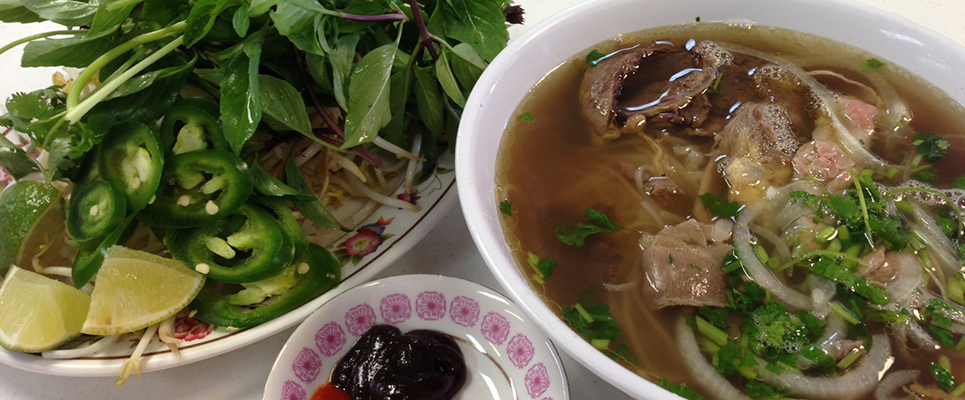
A bowl of pho is a balance of hot broth, tender noodles, herbs and toppings. At Pho Hong at 2521 Rutland Drive in Austin, fresh bean sprouts arrive separately, giving diners a crisp element that changes as the bowl is eaten.
We never cook them in the soup. Heat softens their snap and draws their delicate flavour into the broth, while side service lets each diner control the timing and quantity. The choice preserves both the vegetable and the character of the pho.
| Aspect | Fresh bean sprouts on the side | Sprouts cooked in the broth |
|---|---|---|
| Texture | Crisp, with a clean snap | Soft and yielding |
| Flavour | Mild and fresh | Milder, with broth flavours |
| Timing | Added by the diner | Fixed by the kitchen |
| Heat | Kept outside the broth’s heat | Warmed throughout |
| Role | A contrasting finish | Integrated into the dish |
A crisp contrast in every spoonful
Texture is the clearest reason to keep sprouts apart. Raw bean sprouts have a light, clean snap that softens the instant they meet hot broth. That contrast makes the first spoonful more lively and gives the final bites a fresh note. In a generous bowl, it also keeps eating interesting as the noodles and broth gradually cool.
Cooking them in the broth would change their role. They would become another tender ingredient rather than a contrasting finish, and diners who prefer them crisp would have no way to protect that preference.
Freshness protects a delicate flavour
Fresh sprouts taste mild and green, with a sweetness that does not need strong seasoning. Serving them raw keeps that clarity, much as fresh herbs do, while their separate portion preserves the contrast with the deeply flavoured broth. A shared bowl also stays easier to enjoy when diners can add sprouts at different moments rather than changing the soup for everyone else.
This is just as relevant to a vermicelli dish as it is to soup. With vermicelli with stir-fried toppings, crisp sprouts break up the richer, saucy noodles and add a fresh counterpoint without competing with the stir-fry.
Fresh means separate and uncooked
Fresh describes the sprouts at the moment they reach the diner: separate from the hot food and uncooked in the bowl. The word refers to how they are served, not a claim about when they were harvested.
Like any raw produce, sprouts still require careful washing, storage and handling. Side service makes their uncooked state clear, but sound food-safety practices remain the kitchen’s responsibility. Keeping the bowl visible also lets diners make their choice from the outset rather than discovering raw stems halfway through the meal.
How Australian diners approach the side
Pho is already part of the Australian dining landscape, particularly around Sydney’s Cabramatta and Melbourne’s Victoria Street. Many customers know the custom of asking for sprouts on the side, making separate service a familiar choice rather than an unfamiliar arrangement.
Australians often call the afternoon arvo and say takeaway when they mean food to go. The same relaxed tone carries into ordering: keep the sprouts separate, add them when ready. During the arvo rush, click-and-collect, direct pickup and delivery platforms give workers and diners flexibility when a lunch break is short.
A lighter bowl with real balance
Fresh sprouts add volume and some fibre with very few calories, which can make a broth-based meal feel more substantial. A small serving also keeps the vegetable crisp without crowding out the herbs and toppings. They do not, however, make a noodle-heavy bowl low in carbohydrate or reduce the sodium in the broth, so balance still comes from the rest of the meal.
For diners making deliberate choices, Pho Hong’s low-carb pho guide explains which combinations work better. Sprouts can contribute crunch and freshness while the diner manages noodles, toppings and portion size.
Separate service fits dine-in and delivery
Keeping sprouts apart removes guesswork from the final stage of service. The kitchen can send out broth at its best temperature, and the diner decides whether the sprouts go in at the start or remain a last-minute accent. For delivery orders, separation can also prevent them from sitting in broth during the journey.
That control suits Pho Hong’s seven-day operation and designated delivery hours. Whether the meal is enjoyed at the restaurant or brought home, a clearly separated portion is better suited to preserving the intended texture than sprouts mixed into noodles before travel.
A shared ritual, from Austin to Australia
Digital menus have become routine in Australia, where diners compare restaurant websites, delivery listings and current offers before choosing. The same habit makes a direct site useful in Austin, as shown by the food and location details available through Bitcoin Grill, where diners can check what is on offer before choosing where to eat.
The familiarity of pho makes the custom easy to carry between cities, even when menus and currencies differ. Australian prices usually include GST, while Austin menus use US dollars, but a bowl built around broth, noodles, herbs and a crisp side remains recognisable in both places.
At Pho Hong, separate service keeps the sprouts crisp, the broth clear and the final choice with the diner.