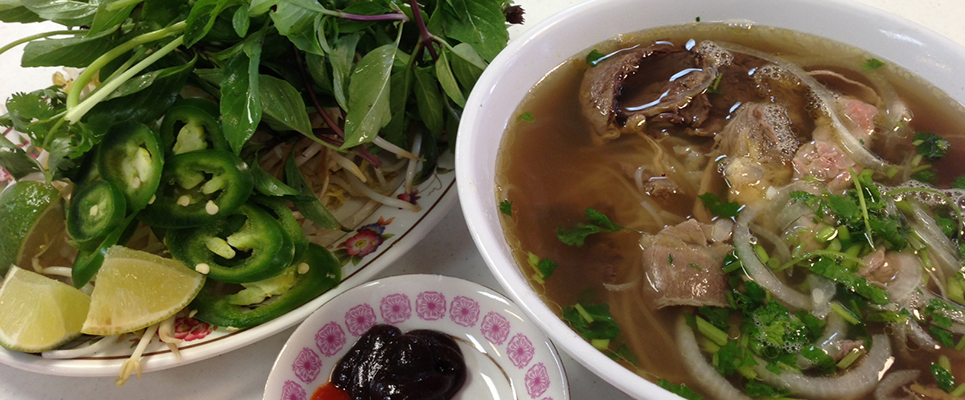
Fresh mint and basil: the quiet heroes behind every Vietnamese bowl
Across Australia, from Cabramatta to Richmond, Vietnamese restaurants have become a daily ritual for office workers grabbing lunch and uni students refuelling between lectures. Many diners focus on the broth, the noodles, or the protein, treating the side plate of greens as an afterthought. At Pho Hong in Austin, the kitchen treats those leaves as the most important supporting cast in the whole production, and the same respect runs through Vietnamese food culture that now shapes menus from Footscray to Fortitude Valley.
Fresh mint and basil are not garnish for the sake of colour. They carry regional tradition, balance the heat of chillies and the salinity of fish sauce, and turn a simple bowl into something that wakes up every part of the palate. Understanding why they matter changes the way you eat, whether you order pho to go on a hot Brisbane afternoon or sit down for a slow weekend lunch in Melbourne.
The heritage behind the herb plate
The tradition of serving fresh herbs alongside a main dish traces back to countryside kitchens in northern and central Vietnam, where families picked whatever was in season from the garden. Leaves were never cooked into the broth because heat dulls their essential oils. Instead, the diner tore them by hand and dropped them into the bowl just before eating, a small ritual that released bright, peppery notes into the steaming liquid. That habit travelled with refugees in the late twentieth century, and it now defines the dining experience in Vietnamese communities across Marrickville, Springvale, and Darra.
At Pho Hong, the herb plate is treated as part of the recipe rather than a finishing touch, and the kitchen explains the reasoning in why fresh herbs are essential to every bowl we serve. A typical plate includes Thai basil with its clove-like undertone, Vietnamese mint with a sharp citrus edge, sometimes perilla, sawtooth herb, and a wedge of lime. The mix gives the diner options, because not every herb suits every bite.
| Herb | Flavour | Best paired with | Traditional role |
|---|---|---|---|
| Thai basil | Sweet, anise, mild clove | Beef pho, stir-fried noodles | Adds aromatic warmth |
| Vietnamese mint | Sharp, citrus, slightly peppery | Vermicelli bowls, rice plates | Cuts through richness |
| Perilla | Earthy, hints of cumin and mint | Grilled pork, spring rolls | Provides depth |
| Sawtooth herb | Sour, herbal, tangy | Crab noodle soup, duck dishes | Brightens heavy broths |
| Culantro | Strong, long-lasting coriander note | Broths and braises | Sustains flavour under heat |
This combination of leaves is what separates a proper Vietnamese kitchen from a generic noodle bar, and the herb plate is given the same care as the protein itself.
Cooling power in Australia's warm climate
Australia runs hot for much of the year, and Aussies instinctively look for food that cools the body without weighing it down. Vietnamese cuisine answers that need beautifully, because the herbs on the plate contain natural menthol, eucalyptol, and other volatile compounds that activate the same receptors as peppermint tea on a summer arvo. Tearing mint into a hot broth might sound contradictory, but the steam carries those cooling compounds straight to the nose and throat, creating an effect that feels refreshing even on a forty-degree day in Adelaide.
During humid stretches across Sydney and the Sunshine Coast, a bowl of pho loaded with herbs is often the meal of choice for workers who want something restorative but not heavy. The same logic explains why Vietnamese salads like goi ga are popular at suburban cricket club functions, where the fresh leaves act as both flavour and natural air conditioning. Even a basic takeaway vermicelli from a suburban strip in Parramatta tends to ship with enough herbs to build a small salad on top, which is part of the reason the cuisine travels so well in the Australian lunch market.
Aroma and the layered flavour profile
A bowl of pho without herbs smells like a bowl of stock. A bowl of pho with herbs smells like a Vietnamese kitchen. That shift happens because fresh leaves release dozens of aromatic compounds the moment they are torn, and those compounds interact with the broth in real time. Basil contributes methyl chavicol, mint delivers menthone and limonene, and the combination lifts the umami of the meat without competing against it. The history of fish sauce in cooking shows how that fermented backbone makes herbal top notes sing.
Aromatics also drive satiety. The nose registers flavour long before the stomach registers volume, and a richly scented bowl feels more filling than a flat one. That is why a takeaway container opened at the desk still feels like a complete meal, even when the herbs have wilted a little in transit. At Pho Hong, the leaves are treated as aromatherapy for the dish, timed so they arrive at the table crisp, cool, and full of volatile oil.
How to eat them the Vietnamese way
A small learning curve separates a good meal from a great one, and a few habits help. The first is to tear the leaves by hand rather than chop them, because cutting bruises the cells and accelerates wilting. The second is to add herbs gradually, dropping a few leaves into each spoonful rather than dumping the whole plate into the broth at once. That way, every bite carries a different balance of broth, noodle, herb, and optional chilli.
Lime, bean sprouts, and sliced chilli usually join the plate, and the order in which they are added changes the character of the bowl. A squeeze of lime early brightens the entire pot, while bean sprouts add a clean crunch that resets the palate between rich spoonfuls. Australians who grew up on a flat white and a weekend barbie sometimes find the herb plate intimidating, but the ritual is forgiving and the reward is immediate, even for a first-timer sitting down for a casual weeknight dinner in the suburbs.
Pairing herbs with drinks and beyond
The herb plate also travels well beyond the soup bowl. At Pho Hong, the leaves inspire the smoothie menu, including the bereraaes smoothie, which leans on basil and mint to deliver a cooling sip that suits a hot Texas afternoon and would feel right at home in Brisbane or Perth. The same herbs show up alongside vermicelli bowls, rice plates, and stir-fried noodles, where they function as a salad component that absorbs nuoc cham dressing and balances grilled or caramelised protein.
For Australian home cooks, the easiest way to start is to treat herbs as a staple rather than a garnish. Keep a small bunch of Thai basil in the fridge, grow Vietnamese mint in a pot on the balcony, and reach for them whenever a dish needs lift. A handful stirred through a cold rice noodle salad at a backyard barbie, or layered into a chicken banh mi for a picnic at the local oval, will reproduce the same brightening effect that defines the best Vietnamese meals. Fresh leaves are not decoration. They are the reason the bowl feels alive.