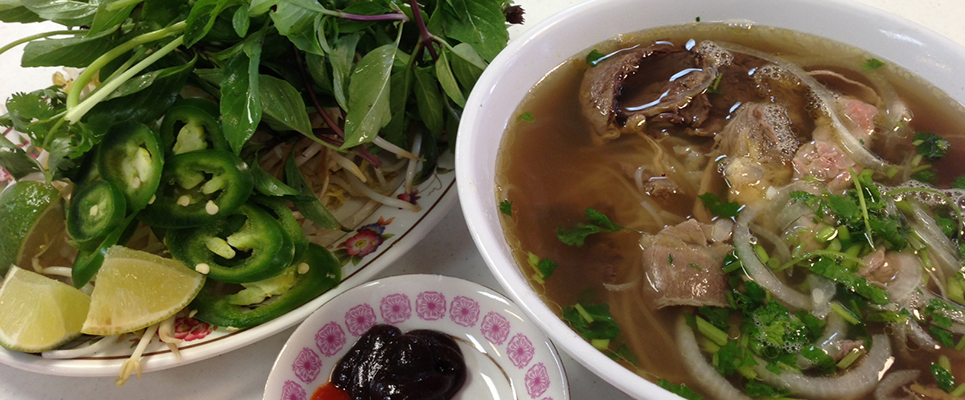
The craft behind fresh rice noodles at Pho Hong
A bowl of pho is built from balance: aromatic broth, tender protein, herbs, garnishes, and noodles that bring everything together. At Pho Hong in Austin, Texas, fresh rice noodles are an important part of that balance. Their soft, springy texture gives each spoonful a quality that dried noodles cannot fully reproduce.
Rice noodles may look simple, but their preparation has a direct effect on the finished dish. The level of moisture, the cooking time, and the way the noodles respond to hot broth all shape the eating experience. Using fresh noodles lets the kitchen serve a bowl with a more delicate texture and a cleaner connection between noodles and broth.
Located at 2521 Rutland Drive, Pho Hong serves Vietnamese favorites for dine-in guests and offers delivery during designated hours. The restaurant is open seven days a week, making a carefully prepared bowl of pho available throughout the week.
Why freshness changes the bowl
Fresh rice noodles contain more moisture than their dried counterparts, so they begin with a supple texture. They do not need to absorb water for an extended period before they are ready to serve. That allows them to reach the bowl with a soft bite and a pleasant, lightly elastic feel.
This distinction matters in pho because the noodles continue warming in the hot broth. Fresh noodles are prepared with that final stage in mind. They can be heated quickly and served before they become overly soft, giving diners enough time to enjoy the bowl at its best.
The phrase “fresh rice noodles instead of dried” describes more than a sourcing preference. It reflects a cooking choice focused on texture, timing, and the way each ingredient performs after it reaches the table.
Texture made for pho
The ideal pho noodle should be tender without falling apart. It needs enough structure to be lifted with chopsticks, yet it should remain smooth and easy to eat with broth, herbs, and sliced beef. Fresh rice noodles offer that balance naturally because their moisture helps preserve a soft, flexible bite.
Dried noodles can be excellent in many dishes, especially when their firmer texture is part of the recipe. Pho calls for a different result. The noodle is meant to feel light and silky, allowing the broth to remain the main flavor while adding substance to each mouthful.
That texture also helps the noodles mingle with other components. A bite can include noodles, beef, onion, cilantro, basil, or a touch of lime without one element becoming too dense or chewy. The result is a bowl that feels cohesive from the first sip to the last strand.
Flavor and cooking control
Fresh noodles have a mild rice flavor that supports the broth instead of competing with it. Their clean taste gives the spices, herbs, and slow-developed savory notes room to stand out. Because the noodles are not heavily toasted or seasoned, they work as a quiet foundation for the more aromatic ingredients.
Their shorter preparation time also gives the kitchen greater control. The noodles can be handled close to service, portioned into the bowl, and finished with hot broth. This process reduces the chance of overcooking and helps maintain consistency from one order to the next.
Freshness is especially valuable in a dish where temperature matters. The broth should arrive hot, while the noodles should remain tender rather than mushy. Careful timing helps preserve that contrast and makes the bowl more satisfying to eat at the restaurant or after a short trip home.
A clear difference in every bite
| Quality | Fresh rice noodles | Dried rice noodles |
|---|---|---|
| Starting moisture | Naturally moist and supple | Dehydrated and firm |
| Preparation | Quick heating or finishing | Requires soaking or longer cooking |
| Texture in pho | Soft, silky, and lightly springy | Can be firmer or become soft quickly |
| Broth relationship | Takes on broth without feeling heavy | May need more time to absorb flavor |
| Kitchen control | Easier to time close to service | Requires careful rehydration |
| Best contribution | Delicate texture and clean rice flavor | Convenience and longer storage |
The comparison is not about labeling dried noodles as inferior in every setting. Different noodle styles suit different Vietnamese dishes. Stir-fried noodles, for example, may call for a more substantial bite that can stand up to high heat and sauce.
For pho, the fresh option matches the dish’s character. It keeps the noodle light enough for a broth-based meal while contributing enough body to make the bowl filling and complete.
Fresh noodles across the menu
The same attention to texture carries into other Vietnamese dishes at Pho Hong. Vermicelli bowls pair rice noodles with fresh herbs, vegetables, and savory toppings, where a delicate noodle helps keep the meal bright and balanced. Rice plates offer a heartier direction, while stir-fried noodles bring a different texture and cooking style.
Appetizers can add contrast before the main dish, whether the meal begins with something crisp, savory, or herb-forward. Drinks and smoothies provide refreshing pairings for aromatic Vietnamese food; the restaurant’s drink selection includes options for guests who want something cool alongside their meal.
These choices make it possible to enjoy rice noodles in more than one form. In pho, they support hot broth and tender ingredients. In a vermicelli bowl, they create a fresh base for toppings and herbs. The noodle remains familiar, but the preparation changes its role.
What to expect when ordering
A fresh noodle bowl is best enjoyed soon after it arrives. Start by tasting the broth, then lift a small portion of noodles with the protein and herbs. This lets the texture and seasoning come through before additional lime, chili, or sauces are added.
For guests ordering delivery, keeping the meal level during transport helps preserve the presentation and texture. Once it arrives, open the container promptly and enjoy the noodles while the broth is still hot. Delivery availability and hours may vary by designated service times, so checking the restaurant’s current information is useful when planning an order.
Pho Hong’s menu also makes it easy to choose according to appetite. A classic beef pho highlights the relationship between broth and fresh noodles, while vermicelli bowls offer a lighter, herb-filled direction. Rice plates and stir-fried noodles provide satisfying alternatives when a different texture is preferred.
Ways to enjoy the difference
- Begin with a few bites before adding lime, chili, or hoisin so the fresh rice noodle texture is easy to notice.
- Pair pho with herbs and bean sprouts for extra freshness and contrast.
- Choose a vermicelli bowl when you want rice noodles with cool vegetables and a lighter presentation.
- Order a drink or smoothie to balance the warmth and aromatic spices of the meal.
- For delivery, eat promptly after arrival to enjoy the noodles at their softest and most supple.
Fresh rice noodles give pho at Pho Hong a texture that feels purposeful rather than incidental. They are prepared to complement hot broth, tender beef, herbs, and the pace of a real meal. Visit the restaurant at 2521 Rutland Drive in Austin or place an order during available delivery hours to experience how fresh preparation changes the bowl.