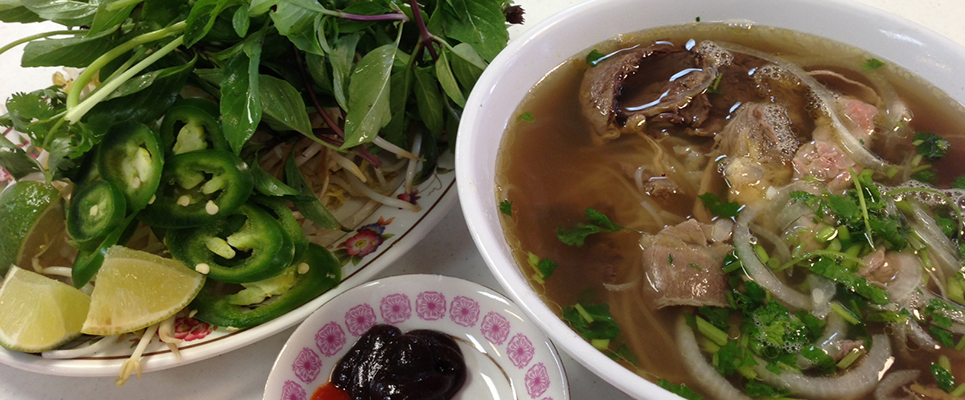
The Aromatic Heart Of Our Pho Stock
A memorable bowl of pho begins long before the noodles, herbs, and sliced beef reach the table. The foundation is the broth: clear, fragrant, and layered with a gentle sweetness that develops during a slow simmer. At Pho Hong, the aroma rising from a bowl reflects a careful balance of roasted spices, bones, vegetables, and time.
Star anise and cinnamon are especially important to that balance. They give Vietnamese beef noodle soup its recognizable fragrance, but their purpose goes beyond making the kitchen smell inviting. Used thoughtfully, these spices shape the character of the broth without overpowering the beef.
Aromatics That Define Vietnamese Broth
Star anise contributes a distinctive licorice-like aroma. Its flavor is warm, lightly sweet, and complex, with notes that can seem herbal, floral, and peppery at the same time. In pho stock, it helps create the signature scent diners often recognize before the bowl is placed in front of them.
Cinnamon adds a smooth, woody sweetness. Vietnamese cinnamon, often called Saigon cinnamon, is particularly aromatic and can bring a fuller, more vivid flavor than the mild ground cinnamon used in baking. Together, the two spices make the broth feel rounded and complete.
These ingredients are part of a broader Vietnamese culinary tradition in which spices are used to build fragrance rather than heat. Their role is subtle: they should invite each sip, not dominate it.
How Star Anise Shapes The Stock
Star anise contains powerful aromatic oils, so a small amount can influence an entire pot. During simmering, those oils move into the liquid and add depth to the beef bones and roasted onion. The result is a broth with a pleasant perfume and a lingering finish.
The spice also helps balance the savory richness of the stock. Beef bones and meat provide body, while charred aromatics add sweetness and smokiness. Star anise connects those flavors with an elegant, almost cooling note that keeps the broth from tasting heavy.
Its flavor is easy to recognize when used too generously. That is why experienced cooks treat star anise as a supporting ingredient. The best pho broth leaves room for fresh herbs, lime, chili, and the natural taste of the beef.
Why Cinnamon Brings Balance
Cinnamon is valued in pho for its warmth, not for the sugary flavor associated with desserts. A cinnamon stick releases gentle woody notes into the stock, adding roundness while the broth simmers. It can soften sharper edges from onion, ginger, and other spices.
This warmth is particularly useful in a beef-based broth. Rich beef flavor can be intense, especially after hours of cooking. Cinnamon gives the finished soup a refined aromatic lift, making each spoonful taste layered rather than simply salty or meaty.
The spice also works with the garnishes added at the table. Thai basil, cilantro, scallions, bean sprouts, lime, and sliced chilies introduce bright and fresh flavors. Cinnamon provides a quiet background that allows those toppings to stand out.
Roasting And Simmering Build Complexity
Spices are only one part of the process. Roasting onion and ginger brings out natural sweetness and creates lightly smoky notes. Toasting whole spices can make their fragrance more pronounced, although they must be watched carefully so they do not burn.
Whole star anise and cinnamon sticks are preferred for stock because they release flavor gradually. Ground spices can cloud the broth and disperse too quickly, making it harder to control the final taste. Whole aromatics can also be removed when the desired fragrance has developed.
The stock then needs time. A long, gentle simmer extracts gelatin and savory depth from the bones while allowing the spices to blend into the liquid. Skimming impurities and seasoning carefully help preserve the clean appearance and focused flavor associated with a well-made pho broth.
Comparing The Roles In One Bowl
Although both spices are aromatic, they do different work. Star anise is more distinctive and immediately recognizable, while cinnamon contributes a softer warmth. Their partnership gives beef pho stock a balanced fragrance instead of a single dominant note.
| Ingredient | Main Flavor Contribution | Effect On Pho Stock |
|---|---|---|
| Star anise | Licorice-like, floral, lightly peppery | Adds signature fragrance and complexity |
| Cinnamon stick | Warm, woody, gently sweet | Rounds out beef flavor and softens sharper notes |
| Roasted onion | Savory sweetness and mild smokiness | Builds body and depth |
| Roasted ginger | Earthy warmth and freshness | Brightens the stock and balances richness |
| Beef bones | Savory flavor and gelatin | Creates the broth’s body and mouthfeel |
The final bowl is greater than any single ingredient. Pho depends on proportion: the aromatics should be noticeable, but the broth must still taste like carefully prepared beef stock. This balanced approach is part of what makes Vietnamese noodle soup so satisfying.
A Broader Vietnamese Flavor Tradition
Pho is one expression of Vietnamese food culture, where fragrant spices, fresh herbs, and contrasting textures often share the same meal. To learn more about the traditions behind the restaurant and its menu, explore Pho Hong’s story.
Star anise and cinnamon also help connect pho to other Vietnamese noodle soups. Different broths may use varying spice combinations, levels of heat, and garnishes. For example, bun bo Hue has a bolder, spicier personality and its own distinctive preparation, as shown in this guide to bun bo Hue traditions.
Understanding those differences makes each bowl more meaningful. Pho tends toward clear, aromatic comfort, while other regional soups may emphasize chili, lemongrass, fermented shrimp paste, or stronger savory notes.
What To Notice In Your Next Bowl
When enjoying pho at Pho Hong, take a moment to notice how the broth changes from the first sip to the last. The initial aroma may highlight star anise and cinnamon, while later spoonfuls reveal beef, onion, ginger, herbs, and the brightness of lime.
A few simple habits can help you appreciate the stock’s detail:
- Smell the broth before adding hoisin, chili sauce, or other condiments.
- Taste a spoonful with the noodles and beef to notice its savory foundation.
- Add herbs, sprouts, lime, and chili gradually so each flavor remains distinct.
- Notice the gentle warmth of cinnamon beneath the more recognizable star anise.
- Enjoy the broth while it is hot, when its layered aromas are most expressive.
Pho is designed to be customized, but tasting the clear stock first shows how the kitchen has built its foundation. Once you understand the role of each aromatic, garnishes become a way to personalize the bowl rather than cover its flavor.
Visit Pho Hong at 2521 Rutland Drive in Austin for a bowl of beef pho, vermicelli, rice plates, or another Vietnamese favorite. Dine in or arrange delivery during designated hours, and let the fragrant broth—shaped by star anise, cinnamon, and patient simmering—be the starting point for your meal.