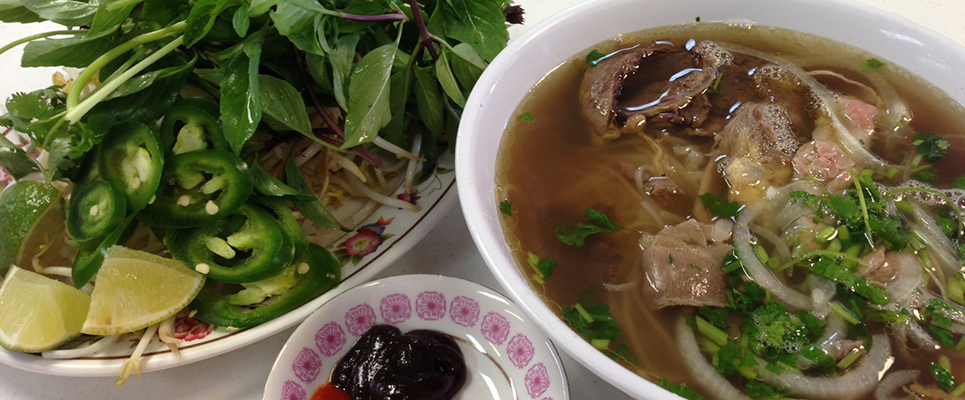
The role of star anise in northern-style pho broth
Star anise is the quiet aromatic that gives northern-style pho its distinctive sweet, woody fragrance. Its eight-pointed pods can lend a rounded depth without taking over the bowl, provided they are used with restraint. The spice also contributes a subtle licorice-like note that works especially well beside beef, ginger, cinnamon and warm spices.
Pho Hong’s Austin kitchen serves beef pho, vermicelli bowls, rice plates, stir-fried noodles, appetizers, drinks and smoothies, so the broth sits within a broader Vietnamese menu. The restaurant at 2521 Rutland Drive operates seven days a week for dine-in service, with delivery available during designated hours. This focus on the traditional Hanoi soup gives star anise a precise role rather than making it the only star of the spice blend.
Northern-style broth and its aromatic balance
Northern-style pho, associated with Hanoi, is generally built for clarity and aromatic balance. Its broth should taste layered and savoury, with the supporting spices present but distinct from the beef. Star anise can supply perfume and gentle sweetness, while charred ginger, cassia or cinnamon, and coriander seed build a warmer foundation around it.
Broth and stir-frying demand different techniques. A wok can char and sear quickly, whereas a pho pot needs a long, gentle extraction from bones and connective tissue. Pho Hong’s shaking beef guide shows the precision of the wok method, a useful contrast with the slow-building soup and its restrained seasoning.
Star anise's aromatic contribution
Star anise is a dried, star-shaped spice made from the fruit of an evergreen tree, and it is not the same ingredient as the anise seed familiar in some Western baking. When toasted, the pods release a warm, resinous aroma with sweet licorice notes. That intensity fades during a long simmer, leaving the broth fragrant rather than overtly medicinal.
In a northern-style broth, its job is supportive. A small quantity deepens the beef aroma and rounds the sharper notes of ginger and pepper without making the soup taste like a candy shop. The spice is generally kept whole so its flavour can be monitored, and it is removed before serving if the cook wants a very clean finish.
How the key aromatics compare
The main aromatics play complementary roles, and their balance changes as the broth moves from raw ingredients to a seasoned bowl. Understanding each contribution helps explain why a technically correct pho can still feel flat or heavy.
| Ingredient | Main aromatic note | Contribution to the broth | Balance point |
|---|---|---|---|
| Star anise | Sweet, woody and licorice-like | Adds perfume and gentle depth | Easy to overuse |
| Cassia or cinnamon | Warm, sweet bark | Builds a rich savoury base | Can dominate with heavy use |
| Coriander seed | Citrusy and floral | Lifts the beef aroma | Toast gently for a cleaner flavour |
| Charred ginger | Smoky, fresh and peppery | Cuts through richness | Burnt pieces can taste bitter |
| Cloves | Intense, sweet warmth | Supplies a concentrated accent | Use in very small quantities |
None of these aromatics should register as a separate taste in a well-balanced bowl. Their combined fragrance should suggest cinnamon, spice and herbs while the beef remains the centre. If star anise is the first thing a diner identifies, the quantity or simmering time needs adjusting; if it disappears completely, the broth may lack the rounded lift associated with a classic Hanoi profile.
Extraction, clarity, and timing
Clear pho broth is a product of time, temperature and careful preparation. Bones and beef cuts release collagen, flavour and body, while aromatics perfume the water. The cook simmers rather than boils hard, skims impurities and strains the liquid before serving. This gentler process preserves clarity and keeps star anise’s perfume integrated with the meat.
Star anise works best when the pods are lightly toasted before they enter the pot. Toasting wakes the aromatic oils and adds a dry, toasted edge, but excessive heat can push the spice towards bitterness. The pods can go in early enough to infuse the broth, then be removed near the end. Leaving them in indefinitely can flatten the aroma and make the finished soup taste woody.
Seasoning the broth and the bowl
Seasoning comes after extraction, not only from spice. Fish sauce supplies salt and fermented depth, while a measured amount of sugar softens the sharper edges of ginger and pepper. In a home kitchen, adjustments can be made with the same logic: taste the broth before adding noodles, then correct it before garnishes and condiments obscure the base.
At the table, fresh Thai basil, coriander, bean sprouts, lime and chilli let each diner shape the bowl. Many Australian diners reach for extra chilli, though the broth should still be balanced before those additions. For a drink alongside the meal, Austin diners can consult this sake and soju guide for Japanese pours that complement a richly aromatic spread.
Pho in the Australian dining landscape
Vietnamese food is well established in Australian cities, especially around Sydney’s Cabramatta and Melbourne’s Victoria Street, where Vietnamese bakeries, markets and restaurants sit alongside other Asian cuisines. Diners may call an evening meal a takeaway, and “grab a feed” covers a casual lunch or dinner. On a cool Melbourne afternoon, a steaming bowl of pho also has obvious appeal.
The Australian market is strongly shaped by convenience and choice. Asian supermarkets stock mint, coriander, Thai basil, rice noodles, bean sprouts and pho seasoning, while delivery apps and direct restaurant ordering are routine. Pho Hong’s combination of dine-in service and set delivery hours reflects a familiar model, with customers checking the schedule before planning a pickup or ordering in for dinner.
Pho Hong's Austin kitchen
Pho Hong is at 2521 Rutland Drive in Austin, Texas, and operates seven days a week. Its menu groups cover beef pho, vermicelli bowls, rice plates, stir-fried noodles, appetizers, drinks and smoothies, giving the broth several possible contexts. Dine-in guests can order the soup as the centre of the meal, while delivery is available during the restaurant’s designated service hours.
The restaurant’s website provides category browsing, contact details, hours, location information and occasional coupon updates, making it the practical source for a current visit or order. Star anise remains a supporting aroma within Pho Hong’s northern-style approach: enough to make the beef broth feel rounded and fragrant, but balanced so the noodles, herbs and fresh condiments retain their own character.