Vietnamese-style dipping sauce for fried tofu
Crisp fried tofu becomes especially appealing when paired with a bright Vietnamese dipping sauce. The contrast between golden edges and a dressing that is sweet, salty, sour and lightly spicy gives a simple plant-based dish plenty of character.
This sauce is often called nước chấm, although recipes vary widely between households and regions. For tofu, a slightly thicker version works well because it clings to the crust instead of running straight across the plate.
The recipe suits an Australian kitchen, where lime, coriander, fresh chilli and Vietnamese mint are easy to find in major supermarkets and Asian grocers. An Australian tablespoon holds 20 millilitres, so the measurements below follow local standards rather than the smaller US tablespoon.
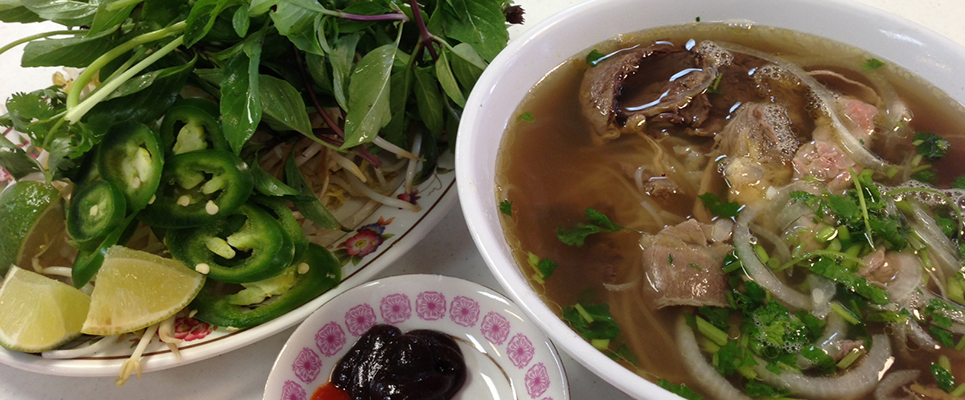
At Pho Hong in Austin, Vietnamese flavours appear across pho, vermicelli bowls, rice plates and noodle dishes. The same balance of aromatics and seasoning can be adapted at home for a quick snack, shared starter or meat-free meal.
Build the flavour balance
A reliable dipping sauce begins with four core tastes: fish sauce or soy sauce for salt, sugar for sweetness, lime juice or rice vinegar for acidity, and water to soften the intensity. Garlic and chilli add fragrance and heat, while a little grated carrot gives the sauce colour and texture.
For a vegetarian or vegan version, use light soy sauce, tamari or a Vietnamese-style mushroom seasoning instead of fish sauce. Palm sugar gives a rounded caramel note, but white sugar dissolves quickly and is perfectly practical. The careful balance of sugar and liquid has something in common with a homemade gelato guide: small changes in proportion can significantly affect the finished texture and taste.
Fresh lime is particularly useful in Australia during warm weather, when a sharp, chilled sauce suits outdoor meals. If the limes at a Brisbane or Melbourne market are dry, combine lime juice with a little rice vinegar rather than adding large amounts of extra juice.
Choose ingredients that suit tofu
Fried tofu has a mild flavour, so the dipping sauce should be aromatic without becoming overwhelmingly salty. Use firm or extra-firm tofu, press it thoroughly, and cut it into cubes, batons or triangles. The more moisture removed before frying, the better the crust will hold.
Aromatics can be adjusted to match the rest of the meal. Thinly sliced red chilli looks attractive and gives a direct heat, while chilli flakes spread their warmth more evenly. Finely grated garlic creates a strong, savoury aroma; minced garlic produces a softer texture in the sauce.
| Ingredient | Amount | Purpose |
|---|---|---|
| Warm water | 60 ml | Dilutes the seasoning |
| Caster or palm sugar | 2 tbsp | Adds sweetness and body |
| Lime juice | 2 tbsp | Provides acidity |
| Light soy sauce or fish sauce | 1½ tbsp | Brings savoury depth |
| Rice vinegar | 1 tsp | Sharpens the flavour |
| Garlic | 1 small clove | Adds aroma |
| Fresh chilli | ½–1 | Provides heat |
| Grated carrot or daikon | 1 tbsp | Adds colour and crunch |
Mix the sauce without overpowering it
Start by stirring the warm water and sugar in a small bowl until the crystals dissolve. Add the soy sauce or fish sauce, lime juice and rice vinegar, then taste before adding garlic and chilli. This order makes it easier to adjust the main balance.
The finished sauce should taste a little stronger than you expect when sampled alone because the tofu will absorb some of its intensity. If it is too salty, add water and lime. If it is too sharp, add a pinch of sugar. If it tastes flat, a few drops of soy sauce or fish sauce can restore savouriness.
Let the sauce rest for five to ten minutes. This gives the garlic time to perfume the liquid and allows the chilli to release its flavour. For a smoother dipping bowl, strain it before serving; for a more rustic version, leave the aromatics in place.
Fry tofu for a crisp surface
Press the tofu between clean tea towels or paper towels for at least 15 minutes. Cut it evenly, toss it with a small amount of cornflour if you want extra crunch, and fry in a shallow layer of neutral oil until each side is golden. Peanut, rice bran and canola oil are practical options commonly available in Australian supermarkets.
An air fryer also works well. Lightly oil the tofu, cook it at about 200°C, and turn the pieces halfway through. Exact timing depends on the size of the pieces and the appliance, so look for a firm, browned exterior rather than relying only on the clock.
Serve the sauce in a separate bowl to protect the crust. Alternatively, drizzle a small amount over the tofu immediately before eating and scatter over coriander, spring onion, crushed peanuts or fried shallots. These toppings add freshness and texture without requiring a complicated garnish.
For a casual Australian gathering, place the tofu and sauce beside cucumber, lettuce cups and rice paper rolls. It works just as comfortably as a starter at a Sydney dinner as it does alongside grilled vegetables at a summer backyard meal.
Pair the dipping sauce with Vietnamese dishes
The same nước chấm can accompany vermicelli bowls, rice paper rolls, steamed vegetables and mushroom fritters. For noodle dishes, thin the sauce with another tablespoon or two of water so it can coat the noodles evenly. Pho Hong’s guide to Vietnamese noodles explains how pho, bún and hủ tiếu differ, which can help when choosing a noodle base for leftover tofu.
For a more aromatic meal, add a small amount of fresh herbs rather than increasing the salt. Coriander, Thai basil, Vietnamese mint and perilla are available from many Asian grocers in Adelaide, Perth and Melbourne. Cucumber ribbons and pickled carrot also provide a refreshing contrast to fried food.
Pho stock uses a different cooking method, but its fragrant profile offers useful inspiration. Toasted spices such as star anise and cinnamon are central to Pho Hong’s stock tradition; they should not usually go directly into this quick dipping sauce, though a tiny pinch of ground white pepper can complement tofu.
Serving and storage details
Keep the sauce chilled in a clean, covered jar and use it within three days. Stir before serving, particularly if grated vegetables or chopped herbs have settled at the bottom.
For a balanced plate, consider these additions:
- Steamed jasmine rice or rice vermicelli
- Cucumber, lettuce and fresh herbs
- Pickled carrot and daikon
- Crushed peanuts or fried shallots
For adjustments at the table, keep these options in mind:
- Add lime for a brighter, sharper finish
- Add water when the sauce tastes too salty
- Add sugar to soften excess acidity
- Add sliced chilli for extra heat
A small bowl of this sauce turns fried tofu into a versatile dish that fits a weekday lunch, a shared platter or a Vietnamese-inspired dinner. Make the first batch gently seasoned, then adjust it to suit the tofu, the sides and the preferences of everyone at the table.